
 Eva Lovia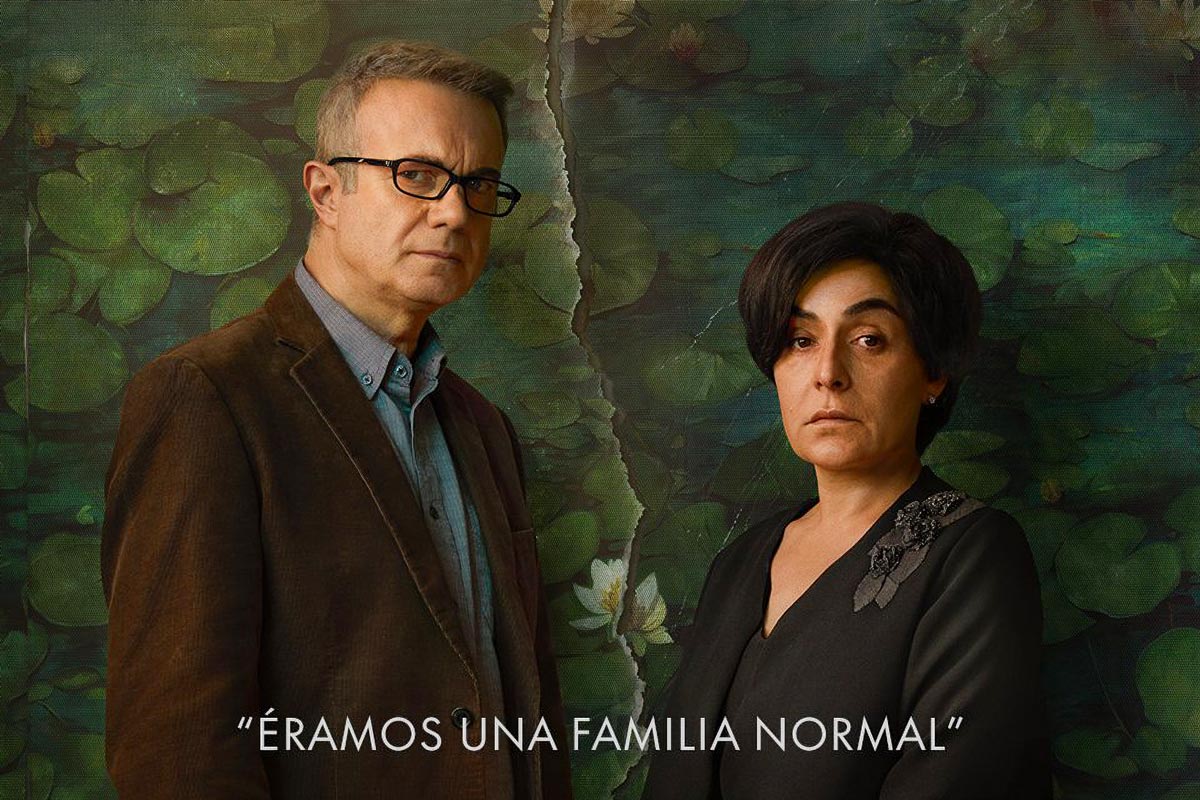
Madrid, Spain – In a decisive move to quell circulating rumors and unequivocally clarify its position, Bambú Producciones, the esteemed Spanish production company behind the critically acclaimed Netflix docudrama “The Asunta Case,” has released an official statement vehemently denying any involvement, past, present, or future, with Alfonso Basterra, one of the individuals convicted in the high-profile murder of his daughter, Asunta Basterra. The company has emphatically stated that no audiovisual project is being developed, prepared, or negotiated with Basterra, nor has any such collaboration ever existed. This robust denial aims to dispel any misinformation and reinforce the company’s ethical stance on producing content derived from real-life tragedies.
The controversy emerged following speculative reports that suggested potential avenues or ongoing discussions linking Bambú Producciones to Basterra. In response, the production house, known for its successful ventures such as "Valle Salvaje," "La Promesa," "La Favorita," and "Rondallas," has taken a firm and unambiguous stance. Their official communication, dated February 27, 2026, states, "There is no audiovisual project in development, preparation, or negotiation with Alfonso Basterra, nor has there ever been at any time." The company further characterized the published assertions as "resoundingly false," leaving no room for interpretation.
Bambú Producciones also explicitly declared its intention to neither develop nor produce any project featuring Alfonso Basterra, whether directly or indirectly. This policy effectively rules out any future collaboration concerning his involvement, thereby safeguarding the integrity of their production ethics. This declaration is particularly significant given the sensitive nature of the case that inspired their recent successful series.
A Clear Policy on Collaborating with Convicted Individuals
A cornerstone of Bambú Producciones’ statement is the articulation of its internal policy regarding individuals convicted of crimes. The company underscored its long-standing practice of not remunerating accused or convicted persons for their participation in any audiovisual projects it produces. This commitment to a principled approach has reportedly been a consistent thread throughout all their productions.
The production company emphasized its extensive experience in creating both fictional and documentary content based on real events. They stressed that this work is always undertaken with the utmost respect for victims and the facts as judicially proven. This approach is crucial in the realm of true crime storytelling, where the balance between narrative engagement and ethical responsibility is paramount. The company expressed profound regret over the dissemination of information that deviates from reality and could potentially mislead public opinion, particularly concerning a case that deeply affected the nation.
The Precedent Set by "The Asunta Case"
The name Alfonso Basterra is inextricably linked to the tragic events that formed the basis of the Netflix miniseries "The Asunta Case." Produced by Bambú Producciones and released on April 26, 2024, the series delved into the harrowing crime and the subsequent judicial proceedings that captivated and shocked Spain. Starring Candela Peña and Tristán Ulloa, the production aimed to offer a detailed and respectful reconstruction of the events, a delicate task given the profound trauma associated with the case.
The six-episode series quickly became a viewership phenomenon on the streaming platform and garnered significant critical acclaim, alongside numerous industry awards. However, its success was predicated on a fictionalized account derived from proven facts, explicitly avoiding direct participation or financial collaboration with the convicted individuals. This distinction is central to Bambú Producciones’ defense against the recent allegations.
Background and Chronology of the Asunta Basterra Case
The Asunta Basterra case began on September 21, 2013, when the then-eight-year-old Asunta Yong Fang disappeared. Her body was discovered the following day near a rural road in Teo, a municipality in the province of A Coruña, Galicia. The initial investigation quickly focused on her adoptive parents, Rosario Porto and Alfonso Basterra.
September 21, 2013: Asunta Basterra is reported missing by her parents.
September 22, 2013: Asunta’s body is found.
September 24, 2013: Rosario Porto and Alfonso Basterra are arrested on suspicion of homicide.
October 2013: Forensic reports indicate Asunta died from asphyxiation, with evidence suggesting she was drugged with sedatives prior to her death.
June 2015: Porto and Basterra are found guilty of murder by a jury. They are each sentenced to 18 years in prison.
July 2020: Rosario Porto dies by suicide in her prison cell.
April 26, 2024: "The Asunta Case" miniseries is released on Netflix, sparking renewed public interest and discussion.

The investigation revealed a complex and disturbing picture, with evidence pointing towards a meticulously planned murder. Forensic analysis played a crucial role, uncovering traces of the sedative Lorazepam in Asunta’s body, a medication prescribed to her mother for anxiety. The prosecution argued that the parents had conspired to kill their daughter, with Basterra allegedly administering the fatal dose while Porto was responsible for the final act of asphyxiation. The motive remained a subject of intense speculation, with various theories proposed, including the parents’ marital difficulties and a desire to end their daughter’s life.
The trial itself was a highly publicized event, drawing significant media attention both nationally and internationally. The defense teams for both Porto and Basterra attempted to cast doubt on the evidence and suggest alternative scenarios, but the jury ultimately found the prosecution’s case compelling. The conviction and sentencing marked the culmination of a deeply unsettling investigation into a crime that shook the foundations of Spanish society.
Supporting Data and Societal Impact
The Asunta Basterra case was not merely a criminal investigation; it became a national tragedy that prompted widespread debate on child welfare, adoption, and the darker aspects of family dynamics. The details of the crime, the personalities of the accused, and the subsequent legal proceedings were dissected by media outlets, legal experts, and the public alike.
The production of "The Asunta Case" by Bambú Producciones tapped into this enduring public fascination and concern. The series’ success can be attributed to its meticulous research, compelling performances, and its exploration of the psychological complexities involved. It reached an estimated audience of millions globally, highlighting the universal appeal of well-crafted true crime narratives. Data from Netflix indicated that the series consistently ranked among the top trending titles in numerous countries following its release, underscoring its significant reach.
The renewed attention brought by the series also reignited discussions about the ethical considerations of dramatizing real-life crimes, particularly those involving victims. Critics and audiences alike weighed in on the balance between informing and sensationalizing, and the responsibility of producers to handle such sensitive material with care. Bambú Producciones’ proactive statement directly addresses these concerns, aiming to preempt any misinterpretation of their creative endeavors as condoning or profiting from the actions of those convicted.
Implications of the Producer’s Statement
Bambú Producciones’ clear and emphatic denial carries significant implications. Firstly, it serves to protect the company’s reputation and brand integrity. In the competitive landscape of audiovisual production, particularly in the true crime genre, maintaining ethical standards is crucial for sustained success and public trust. By drawing a firm line against collaboration with convicted individuals, the company reinforces its commitment to responsible storytelling.
Secondly, the statement provides a vital distinction between fictionalized dramatizations and direct involvement or endorsement of the individuals involved in the crimes. This is particularly important in cases where the convicted parties may still hold legal rights or where public perception can be easily manipulated. The company’s assertion that they do not pay accused or convicted individuals for participation directly counters any potential claims of financial gain from Basterra’s involvement, whether directly or indirectly.
Furthermore, the statement underscores the broader ethical considerations within the entertainment industry when dealing with real-life tragedies. It highlights the industry’s growing awareness of the need for sensitivity towards victims and their families, and the importance of distinguishing between artistic interpretation and factual reporting. By making their policy public, Bambú Producciones sets a precedent for how such sensitive narratives can be approached responsibly.
In conclusion, Bambú Producciones’ official statement is a powerful and necessary clarification. It not only dismisses unfounded rumors but also reaffirms the company’s unwavering commitment to ethical production practices. In an era where true crime content continues to captivate audiences, such clear declarations are essential for maintaining transparency, respecting victims, and upholding the integrity of the storytelling process. The company’s stance on "The Asunta Case" and its aftermath demonstrates a mature and responsible approach to navigating the complex terrain of real-life tragedies transformed into compelling audiovisual narratives.


 Raisa Andriana
 Julia Chirkova
 Nila Kartika Wati
 Lana Rhoades
 Jia Lissa