
 Lana Rhoades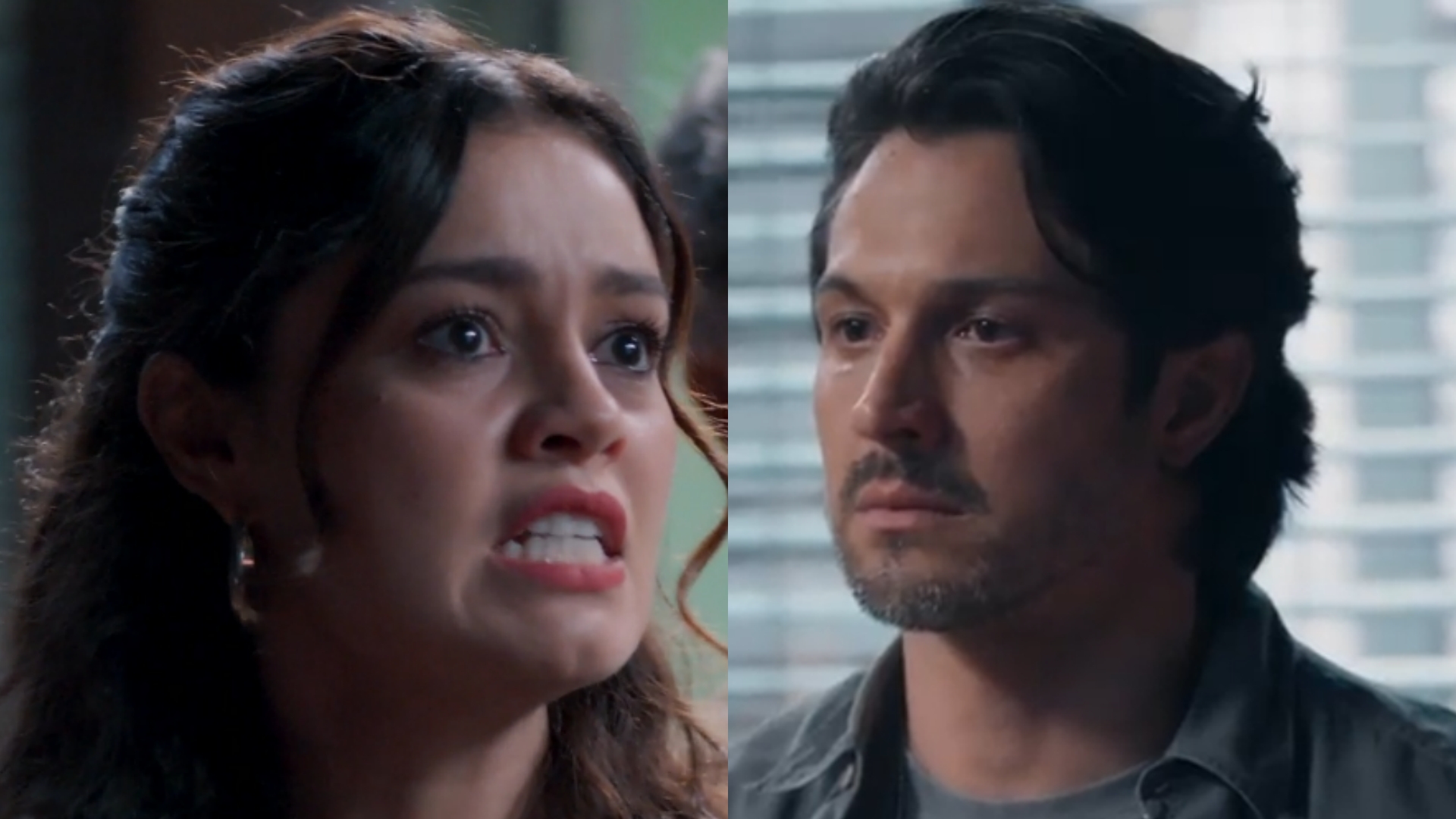
A gripping new chapter in the acclaimed series Três Graças is set to unfold, pushing its protagonists to their emotional and legal limits. Viewers will witness a high-stakes confrontation at Gerluce’s residence, portrayed by Sophie Charlotte, as the intricate web of a daring art heist begins to unravel with devastating consequences. The episode promises a blend of raw emotion, unexpected betrayals, and a shocking arrest that will redefine the future of the central characters.
The tension escalates dramatically when Arminda (Grazi Massafera) and Ferette (Murilo Benício), two enigmatic figures with their own vested interests in the stolen artifact, make an unannounced and unwelcome appearance at Gerluce’s home. Their arrival is not merely a visit but a calculated move to exert pressure, as they present Gerluce with a photograph that immediately shatters her composure: an image of Samira (Fernanda Vasconcellos), another key player in the heist, cradling Joélly’s (Alana Cabral) young daughter. This visual, a stark reminder of innocent lives now entangled in their dangerous game, serves as a potent emotional weapon, leaving Gerluce visibly distraught and deeply concerned for the child’s safety.
The Perilous Bargain: A Child’s Freedom for a Priceless Artifact
The motive behind Arminda and Ferette’s visit quickly becomes clear: they are not seeking justice, but leverage. The duo, seemingly connected to the darker underbelly of the art world or perhaps seeking retribution for a past slight, demand the exact location of the highly valuable statue that was the subject of the infamous "Três Graças" heist. Their terms are unequivocal: the safe return and revelation of the child’s whereabouts are contingent upon Gerluce providing the information they seek about the priceless artwork. This ultimatum places Gerluce in an agonizing dilemma, forcing her to choose between the safety of a vulnerable child and the secret location of an object whose possession has already brought immense peril.
However, the situation is far more complicated than Arminda and Ferette, or even Gerluce, realize. Unbeknownst to the core group of thieves, Joaquim (Marcos Palmeira), a seemingly integral member of their heist collective, had secretly liquidated the stolen masterpiece. In a move that exemplifies profound betrayal and short-sighted self-interest, Joaquim sold the valuable work of art to Kasper (Miguel Falabella), a prominent figure in the art dealing scene, without disclosing this critical transaction to any of his co-conspirators. This clandestine sale introduces a significant new obstacle, as Gerluce is now unable to fulfill the villains’ demands, rendering the child’s fate even more precarious and deepening the sense of powerlessness among the embattled group. The statue, the very object meant to secure their future, has become a ghost, its absence now a weapon in the hands of their adversaries.
A Detective’s Duty: Paulinho’s Heartbreaking Arrest
As if the unfolding drama weren’t enough, the situation takes an even more drastic turn with the sudden arrival of Paulinho (Romulo Estrela) at Gerluce’s residence. Paulinho, a dedicated police officer, is not there to offer assistance or protection; he arrives with a warrant, prepared to make an arrest. The scene is charged with a palpable sense of tragedy, as Paulinho, despite being visibly affected and emotionally shaken by the circumstances, does not hesitate to fulfill his professional duty. Law enforcement has gathered compelling evidence implicating Gerluce in the audacious art heist, tying the determined protagonist directly to the crime. This development, first reported by Notícias da TV, signifies a major turning point, potentially dismantling the entire operation and exposing the conspirators to the full force of the law. Gerluce, a woman fighting for her survival and the safety of those she cares about, now faces not only the wrath of dangerous criminals but also the cold hand of justice.
Background and Chronology of the ‘Três Graças’ Heist
Três Graças has captivated audiences with its intricate plot, compelling characters, and moral ambiguities. The series revolves around a group of women from diverse backgrounds who, driven by desperation and a shared sense of injustice, conspire to execute a high-stakes art heist. The targeted object, the "Estátua da Fortuna," a priceless Renaissance sculpture rumored to hold significant historical and artistic value, was believed to be their ticket to a better life. The initial planning and execution of the heist were meticulously portrayed, showcasing the ingenuity and resourcefulness of Gerluce, Samira, Joélly, and other key figures.
The chronology leading to the current crisis began shortly after the successful, albeit illicit, acquisition of the statue. The initial euphoria of the group was short-lived, replaced by the daunting challenge of discreetly selling such a high-profile piece. It was during this tense period that Joaquim, an associate brought into the fold for his connections and supposed expertise, made the unilateral decision to sell the "Estátua da Fortuna" to Kasper. Joaquim’s motivation remains shrouded in mystery, speculated to be a mix of fear, greed, or perhaps a desperate attempt to secure his own future independent of the group. His actions created a critical vulnerability, as the group lost control over their most valuable asset without their knowledge.
Meanwhile, Arminda and Ferette, characters introduced earlier in the season with shadowy ties to the art world and known for their ruthless tactics, had been independently tracking the statue’s movements. Their investigation eventually led them to identify Samira and, crucially, her daughter, as a weak point to exploit. The abduction of Joélly’s daughter, a calculated move to gain leverage, represents a significant escalation in the conflict, transforming the heist from a financial crime into a deeply personal and emotionally charged hostage situation. Their appearance at Gerluce’s home, armed with the incriminating photo, was the culmination of their tracking efforts, designed to extract the statue’s location by preying on Gerluce’s maternal instincts and sense of responsibility.

Sophie Charlotte Reflects on Gerluce and the Show’s Impact
In an exclusive interview with Folha de Pernambuco, Sophie Charlotte, the acclaimed actress behind the complex character of Gerluce, offered profound insights into her role and the show’s unprecedented reception. Her statements provide a crucial glimpse into the creative process and the thematic underpinnings that have resonated so deeply with the audience.
A Period of Intense Activity and Immense Satisfaction
"I’m living through a very hectic period, but one filled with immense happiness," Charlotte shared, acknowledging the demanding nature of the production. "The work was already intense before, and now it has become even more so. There are three storylines unfolding simultaneously, many long days of shooting, but there’s an enormous sense of satisfaction. The reception has been truly special, unlike anything I’ve experienced before. There’s an audience engagement that stems from a deeply affectionate place, and that makes all the effort truly worthwhile."
This statement highlights the rigorous schedule typical of high-budget drama productions, often involving multiple units and complex narrative arcs. For an actress like Charlotte, embodying a character as central and multifaceted as Gerluce requires not only significant physical endurance but also profound emotional investment. The "three storylines" she refers to likely allude to Gerluce’s personal life, her involvement in the heist, and her evolving relationships, each demanding distinct emotional and narrative attention. Her expression of "immense happiness" and "enormous satisfaction" underscores the artistic fulfillment derived from challenging roles and the collaborative environment of a successful production.
Unprecedented Public Engagement and Affective Connection
Charlotte further elaborated on the unique bond forged with the viewers. "The public’s response is always unexpected. We give everything we can, but you never know exactly where it will touch people’s hearts. What caught my attention was that the connection began with the simplest things: the daily grind, her waking up late, arriving at work, returning home. These small, everyday gestures created identification and affection."
This observation speaks volumes about the show’s success in portraying a relatable, authentic heroine. In an era often dominated by larger-than-life characters, Três Graças appears to have struck a chord by grounding Gerluce in the mundane realities of everyday life. Viewers connect not just with the grand drama of the heist, but with the universal experiences of struggle, routine, and the small victories and defeats that define human existence. This "affective connection" suggests that the audience sees a piece of themselves in Gerluce, making her journey, flaws and all, deeply personal and engaging. This level of emotional resonance is often a hallmark of critically and commercially successful television.
The Power of the ‘Real’ Heroine: Embracing Flaws and Consequences
Perhaps the most insightful aspect of Charlotte’s interview concerns her philosophy on character development. "I believe it’s fundamental for characters to make mistakes. Heroines who only ever do right teach us nothing, because life isn’t like that. Gerluce is impulsive, she learned to fend for herself, and at a certain point, she decides to act. My commitment isn’t to defend all her actions, but to live what is real for her in that moment, with the information and emotions she possesses. The most interesting part is to follow the consequences of these choices."
This powerful statement challenges traditional archetypes of the "perfect heroine" often seen in popular media. Charlotte advocates for realism, asserting that flawed characters are not only more authentic but also more instructive. Gerluce’s impulsiveness, a trait that may lead her into perilous situations, is presented not as a weakness to be overcome but as an intrinsic part of her character forged by a life of self-reliance. The actress’s commitment lies in portraying the truth of Gerluce’s experience, allowing the audience to witness the intricate interplay between motivation, action, and consequence. This approach invites viewers to engage critically with the narrative, to understand rather than simply judge, and to reflect on the complexities of human morality. It underscores a key thematic element of Três Graças: the exploration of difficult choices and their far-reaching ramifications, especially for individuals operating in morally grey areas.
Broader Impact and Implications for the Series
The unfolding events – the hostage situation, Joaquim’s betrayal, and Gerluce’s arrest – signal a dramatic shift in the narrative of Três Graças. The immediate implications are severe:
- Disintegration of the Heist Group: Gerluce’s arrest could fracture the remaining members, leading to mistrust, finger-pointing, and potential collapse of their alliance.
- Increased Stakes for Samira’s Daughter: With the statue’s whereabouts unknown to Gerluce, the child’s life remains in immediate danger, forcing the remaining members to confront Arminda and Ferette directly, perhaps without their leader.
- Joaquim’s Exposure: The truth about Joaquim’s clandestine sale to Kasper is almost certain to come to light, leading to a reckoning within the group and potentially new conflicts with Kasper.
- Paulinho’s Moral Quandary: Paulinho’s emotional distress during the arrest suggests a deeper personal connection to Gerluce, which will undoubtedly complicate his pursuit of justice and potentially put him in professional jeopardy. His struggle between duty and personal feelings adds another layer of human drama.
- The Statue’s True Value and Ownership: The "Estátua da Fortuna" itself becomes a central enigma. Is Kasper an unwitting recipient, or is he complicit in the criminal underworld? Its recovery, or lack thereof, will dictate the ultimate resolution of the heist plotline.
Três Graças has positioned itself as more than just a crime drama; it’s a profound exploration of human resilience, the cost of desperate choices, and the intricate dance between personal survival and moral integrity. The current storyline, marked by intense emotional stakes and legal ramifications, pushes these themes to the forefront, promising an arc of redemption, retribution, and perhaps even tragedy. The series continues to cement its place as a compelling and thought-provoking narrative on Brazilian television, resonating deeply with an audience eager for stories that reflect the messy, beautiful, and often contradictory nature of real life. As Gerluce navigates her newfound legal troubles while still grappling with the life-or-death situation of Samira’s child, the future of the "Três Graças" hangs precariously in the balance.




 Raisa Andriana
 Eva Lovia
 Julia Chirkova
 Nila Kartika Wati
 Jia Lissa