
 Lana Rhoades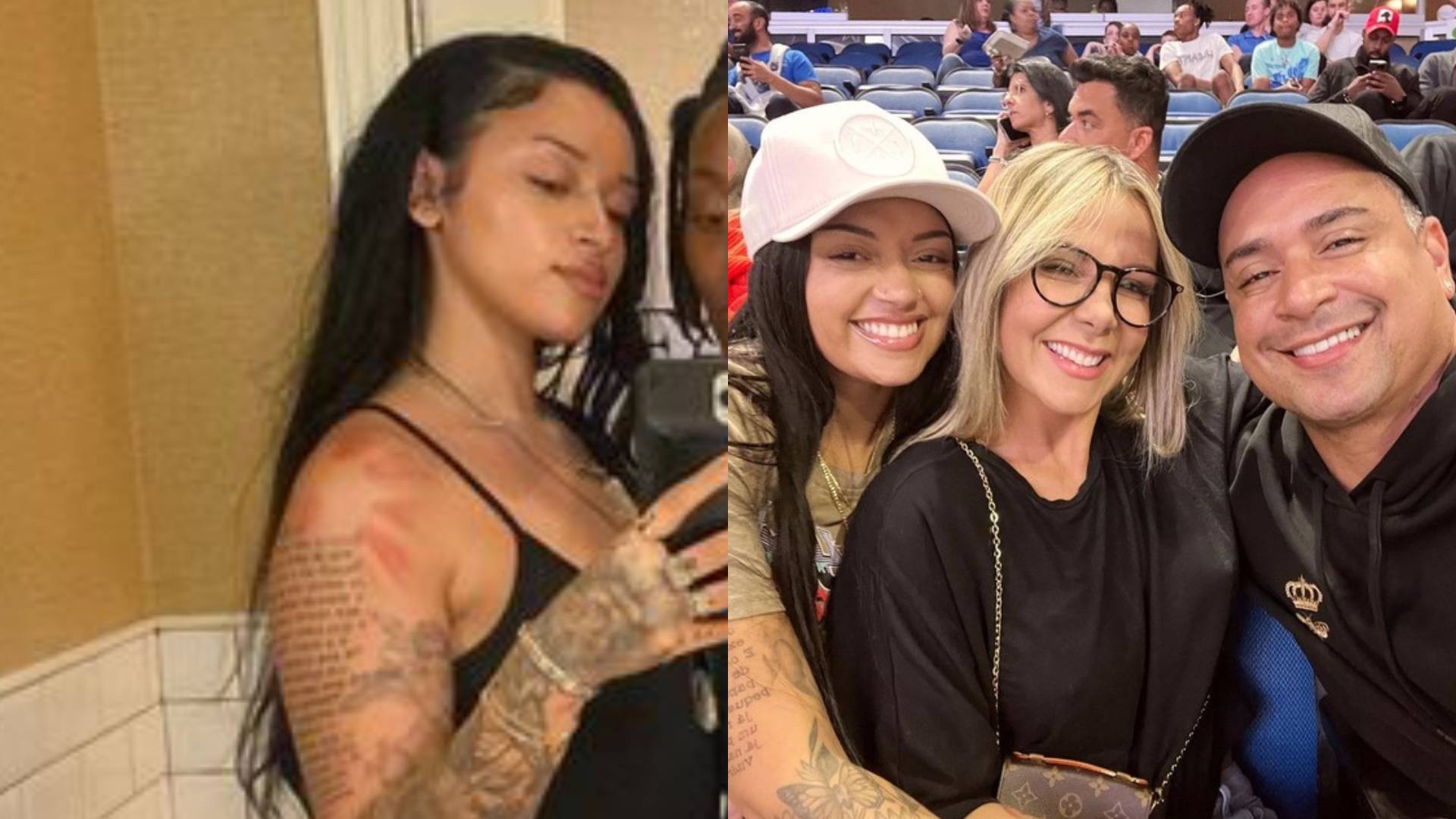
Camilly Victoria, the 24-year-old daughter of renowned Brazilian artists Carla Perez and Xanddy, recently offered a candid and deeply personal reflection on her sexual identity, affirming her place within the LGBTQUIAPN+ community during an engaging Q&A session with followers on Instagram this Thursday, February 26th, 2026. Her powerful testimony shed light on the transformative impact of "coming out" on her understanding of love and emphasized the gradual, introspective process of accepting her authentic self, a journey she believes no individual should undertake while feeling compelled to conceal their true essence. Victoria, who has been in a committed relationship since mid-2025, though the name of her partner remains undisclosed, underscored the importance of honesty, first with oneself and then with others, as a cornerstone of genuine well-being.
A Journey of Self-Discovery and Love’s Evolving Landscape
The genesis of Camilly Victoria’s recent public reflection originated from a direct question posed by a follower: "What was a moment in your life that completely changed how you see love?" Her unequivocal response, "When I came out of the closet," served as the springboard for a more extensive and introspective narrative. Victoria articulated that her perception of love underwent a profound metamorphosis post-coming out, evolving from a potentially constrained understanding to a more expansive and authentic appreciation of human connection. This revelation, shared across her widely followed social media platform, provided her audience with an intimate glimpse into the personal growth catalyzed by embracing her sexual orientation.
Her detailed response delved into the complexities of self-discovery, particularly during formative years. "I can’t exactly put into words what happened in my brain," she began, illustrating the often-ineffable nature of identity formation. She elaborated on the universal experience of childhood and adolescence, a period marked by uncertainty and continuous self-exploration. "When you are still a child or teenager, often, though not always, you are unsure of anything. You are still understanding yourself, discovering the world and yourself at the same time," Victoria explained, resonating with countless individuals grappling with their emerging identities. This period, she suggested, is inherently challenging, made even more so by external pressures and expectations.
The Weight of the Spotlight: Navigating Identity in Public View
Camilly Victoria’s journey to self-acceptance was uniquely shaped by her upbringing under the intense scrutiny of public life. As the daughter of Carla Perez, a former dancer and iconic figure from the popular 90s group É o Tchan, and Xanddy, the lead singer of the hugely successful samba group Harmonia do Samba, Victoria inherited a legacy of fame that placed her in the public eye from a very young age. This constant visibility, while offering certain advantages, also presented significant challenges to her personal development and the exploration of her identity.
"I grew up under a spotlight, with many people, two or three times older than me, whom I didn’t even know, trying to tell me who I was and who I should be," Victoria recounted. Her description painted a vivid picture of the immense pressure she faced, where strangers felt entitled to define her existence. Crucially, she emphasized the lack of empathy and acceptance she often encountered. "It wasn’t with kindness, and I didn’t feel welcomed," she stated, highlighting the emotional toll of such unsolicited and often critical external influence. This sentiment resonates deeply with many children of celebrities who often find their private lives becoming public discourse, making the delicate process of self-discovery a heavily scrutinized event. The pervasive nature of social media in contemporary society amplifies this challenge, transforming personal struggles into widespread public commentary.
Her candid admission about the delay in embracing her true self underscores a common struggle within the LGBTQ+ community. "It took me a while to be honest about who I was, first with myself and then with others. And that’s a feeling I don’t wish on anyone. No one should feel they need to hide parts of themselves to be accepted," she reiterated, emphasizing a universal yearning for acceptance and authenticity. This powerful statement serves as a beacon of solidarity for those who might be experiencing similar internal conflicts, reinforcing the message that hiding one’s identity can be a profoundly isolating and damaging experience.
Unwavering Parental Support: A Foundation for Authenticity
A critical element in Camilly Victoria’s narrative of self-acceptance is the unwavering support she received from her parents, Carla Perez and Xanddy. In a cultural landscape where familial acceptance of LGBTQ+ children can sometimes be fraught with challenges, her parents’ response stands as a powerful testament to unconditional love and modern parenting. Victoria explicitly credited her parents as a vital source of strength and security during her journey.
"But, in the end, my parents were there, with open arms," she shared, painting a heartwarming image of familial embrace. She further elaborated on the depth of their support, noting, "Not only respecting me, but loving me and making it very clear that nothing beyond my well-being mattered." This parental affirmation transcended mere tolerance; it was an active demonstration of love and prioritisation of her emotional and psychological health. Such comprehensive support, especially from public figures, sends a potent message to families across Brazil and beyond about the transformative power of acceptance. Studies consistently show that LGBTQ+ youth with supportive families report significantly higher rates of mental health, self-esteem, and overall well-being compared to those without. For Victoria, this parental backing was the bedrock upon which she built her confidence. "This gave me confidence, security, and strength to simply be who I am," she asserted, underscoring the invaluable role her parents played in her ability to live authentically.

The public stance of figures like Carla Perez and Xanddy in openly supporting their daughter’s sexual identity contributes significantly to normalizing LGBTQ+ experiences within mainstream society. Their influence, reaching millions of fans across generations, can help dismantle prejudices and foster a more inclusive environment, particularly in a country like Brazil, which, despite recent advancements, still grapples with significant challenges related to LGBTQ+ rights and safety.
The Broader Context: LGBTQ+ Visibility and Acceptance in Brazil
Camilly Victoria’s public disclosure is not an isolated event but rather part of a growing wave of LGBTQ+ visibility in Brazil. The country, a vibrant tapestry of cultures and traditions, has a complex relationship with its LGBTQ+ community. While major cities host some of the world’s largest Pride parades and significant legal advancements have been made (such as the legalization of same-sex marriage in 2013 and the criminalization of homophobia and transphobia in 2019), discrimination and violence against LGBTQ+ individuals remain significant concerns.
In this context, the decision of a child of prominent public figures to openly discuss her sexual identity carries considerable weight. It serves as an inspirational beacon for countless young Brazilians who may be struggling with their own identities, offering a visible example of authenticity and resilience. Her voice adds to the chorus of those advocating for greater understanding and acceptance, challenging deeply ingrained societal norms and prejudices. The fact that she mentioned not fearing public exposure because her sexuality had been "revealed before" suggests a previous, perhaps less formalized, disclosure, which has now culminated in this definitive public statement. This incremental approach to public identity often allows individuals to gauge reactions and build internal fortitude before broader declarations.
Furthermore, Victoria’s decision to share her story on Instagram, a platform with immense reach among young demographics, leverages modern communication channels to foster community and dialogue. Social media has become an indispensable tool for LGBTQ+ individuals to connect, share experiences, and find support, circumventing geographical barriers and traditional media gatekeepers. Her engagement with followers directly addresses their questions, creating a personal and relatable narrative that transcends mere headlines.
Distinguishing Identity: Sexual Orientation vs. Gender Identity
In her comprehensive Instagram post, Camilly Victoria also took the opportunity to address a nuanced but crucial distinction often conflated in public discourse: the difference between sexual orientation and gender identity. A follower’s question about her body image prompted her to clarify her experience, preventing potential misinterpretations.
"No. I don’t have any dysphoria in relation to my body and I feel comfortable with myself," she stated unequivocally. This direct affirmation of her comfort with her physical form is significant. She then proceeded to articulate a fundamental distinction: "Being a lesbian woman and being okay with who I am has absolutely nothing to do with the experience of a trans person." This statement is vital for promoting accurate understanding and combating misinformation. Sexual orientation, which describes who a person is attracted to, is distinct from gender identity, which refers to an individual’s internal sense of being male, female, both, neither, or somewhere else along the gender spectrum. A trans person’s experience often involves a mismatch between their assigned sex at birth and their gender identity, which can lead to gender dysphoria and a desire for gender-affirming care. By clearly delineating these concepts, Victoria contributes to a more informed public dialogue, helping to educate her audience and prevent the erroneous conflation of disparate identities within the broader LGBTQ+ acronym. This clarification also underscores the diversity within the community itself, highlighting that each individual’s journey of identity is unique and should be respected on its own terms.
A Message of Gratitude and Empowerment
Camilly Victoria’s narrative culminates in a powerful message of gratitude and empowerment. Reflecting on her journey, she acknowledged its inherent complexities but expressed profound appreciation for the path she has traversed. "It was a strange experience, but each person lives their own journey," she remarked, emphasizing the individual nature of self-discovery. Her ultimate sentiment was one of deep thankfulness for the support system that allowed her to flourish authentically.
"And today I am extremely grateful for having the family I have and for being able to be myself every day, with love, affection, respect, and honesty," she concluded. This expression of gratitude extends not only to her parents and her brother, Victor Alexandre, 21, but also to the broader context that enables her to live openly. Her ability to share her story with such candor serves as a beacon of hope and inspiration, particularly for young individuals struggling with their own identities in an often-judgmental world.
Her message transcends her personal experience, becoming a universal call for authenticity, empathy, and unconditional love. By sharing her journey, Camilly Victoria has not only illuminated her own path but has also contributed to a larger conversation about identity, acceptance, and the fundamental human right to be oneself, freely and without fear. Her voice, amplified by her background, adds significant momentum to the ongoing movement for LGBTQ+ rights and visibility, reinforcing the idea that genuine happiness stems from embracing one’s true self, supported by love and understanding.


 Raisa Andriana
 Eva Lovia
 Julia Chirkova
 Nila Kartika Wati
 Jia Lissa