
 Nila Kartika Wati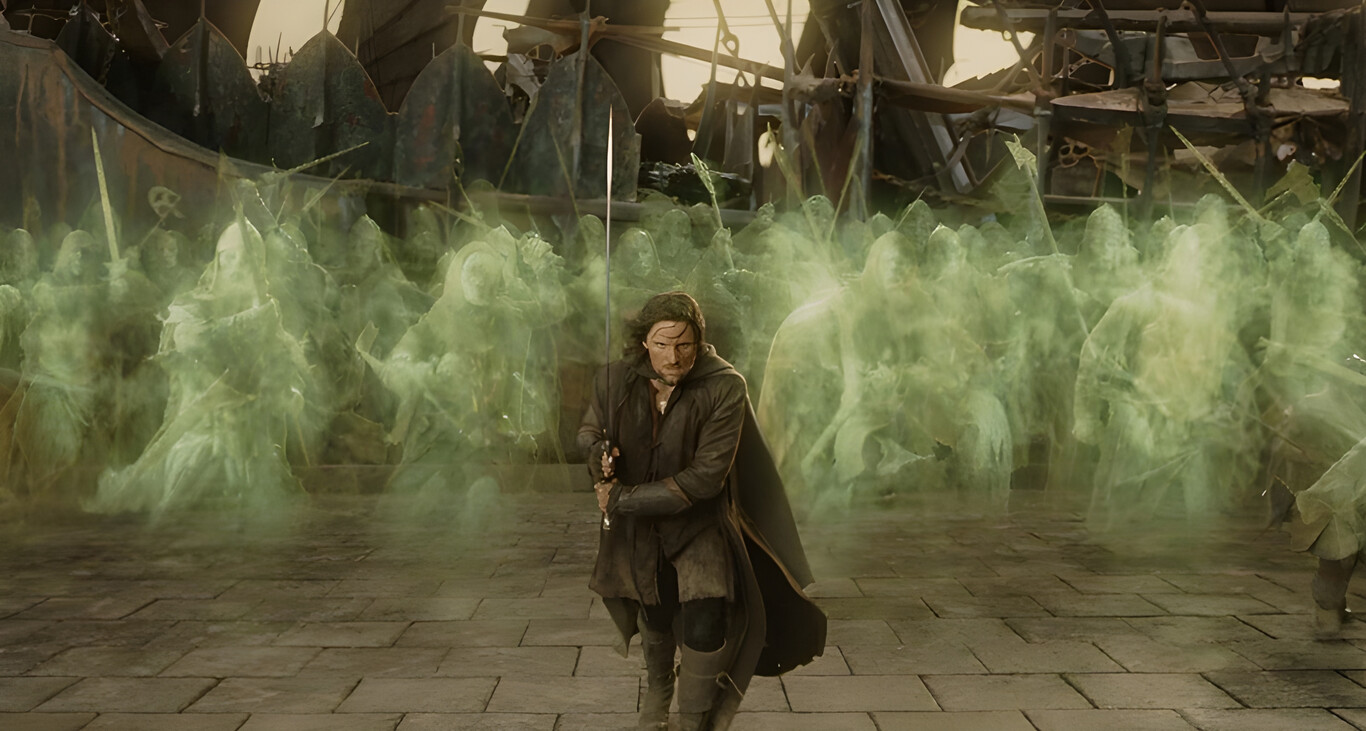
Historical Context and the Challenge of Adaptation
The journey to bring The Lord of the Rings to the big screen was fraught with logistical and creative hurdles that spanned decades. J.R.R. Tolkien’s trilogy, published between 1954 and 1955, was long deemed "unfilmable" due to its dense mythology, linguistic complexity, and the sheer scale of its geography. Prior to Peter Jackson’s involvement, the most notable attempt was Ralph Bakshi’s 1978 animated feature, which covered only a portion of the narrative and met with mixed results.
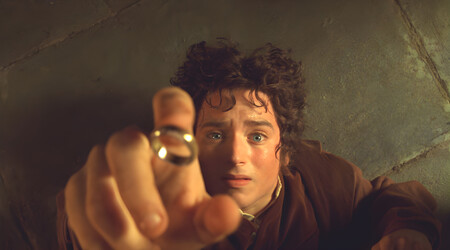
In the late 1990s, New Zealand filmmaker Peter Jackson, known primarily for cult horror and the acclaimed Heavenly Creatures, began developing the project with Miramax Films. However, the scope of Jackson’s vision—originally conceived as two films—clashed with the studio’s budgetary constraints and desire for a single feature. The project was eventually moved to New Line Cinema, where executive Robert Shaye made the historic decision to produce three separate films simultaneously. This gamble required an unprecedented initial investment of approximately $281 million, a figure that, while substantial, would eventually yield billions in returns.
Chronology of Production and Release
The production of the trilogy followed a rigorous timeline that set new standards for efficiency and logistical planning in the film industry. Principal photography for all three films took place concurrently in New Zealand from October 11, 1999, to December 22, 2000, lasting 438 days.
- The Fellowship of the Ring (Released December 19, 2001): The first installment introduced audiences to Middle-earth, focusing on the formation of the nine-member fellowship tasked with destroying the One Ring. It served as a critical proof-of-concept, grossing $897 million worldwide and securing four Academy Awards.
- The Two Towers (Released December 18, 2002): The middle chapter expanded the narrative scope, utilizing parallel storylines to depict the escalating war against Saruman’s forces. It introduced groundbreaking digital character work with Gollum and concluded with the Battle of Helm’s Deep. It grossed $947 million and won two Academy Awards.
- The Return of the King (Released December 17, 2003): The final chapter depicted the ultimate confrontation with Sauron and the resolution of the Ringbearer’s quest. It became one of the highest-grossing films in history at the time, earning over $1.1 billion. In a historic sweep at the 76th Academy Awards, it won all 11 categories for which it was nominated.
Technical Innovation and the Weta Legacy
A significant factor in the trilogy’s longevity is its reliance on "bigatures"—large-scale miniatures—and practical effects combined with emerging digital technologies. Unlike many contemporary blockbusters that rely heavily on green screens, Jackson utilized the natural landscapes of New Zealand, which provided a tangible reality to Middle-earth.
Weta Digital, the visual effects house co-founded by Jackson, revolutionized the industry through several key innovations. The development of the "MASSIVE" software allowed for the simulation of thousands of individual digital agents in battle sequences, each with its own programmed artificial intelligence. Furthermore, the performance capture technology used to bring Andy Serkis’s Gollum to life set the standard for digital character integration, proving that a computer-generated character could deliver a performance with profound emotional depth.
The musical score by Howard Shore also played a pivotal role in the trilogy’s success. Shore utilized a Wagnerian leitmotif approach, composing over 80 distinct themes associated with specific cultures, characters, and locations. This complex auditory framework provided a narrative cohesion that helped audiences navigate the dense lore of Tolkien’s world.
Critical and Commercial Impact
The commercial performance of the trilogy was nothing short of a global phenomenon. In total, the three films grossed nearly $3 billion during their original theatrical runs. However, the financial success was matched by a rare level of critical consensus. Major publications like Variety and The Guardian noted that the films transcended the "fantasy" label, achieving a level of prestige usually reserved for historical epics.
The 76th Academy Awards served as the ultimate validation of the project. The Return of the King tied the record for the most Oscars won by a single film, joining the ranks of Ben-Hur (1959) and Titanic (1997). Crucially, it was the first time a fantasy film had ever won the Academy Award for Best Picture, a milestone that signaled a shift in how the industry viewed genre cinema.
Modern Resonance and the Letterboxd Phenomenon
The continued presence of The Lord of the Rings in the top tiers of Letterboxd rankings suggests that the trilogy’s appeal is not merely a product of nostalgia but a testament to its enduring craftsmanship. Letterboxd, which caters to a demographic of younger cinephiles and serious film students, often favors films with strong directorial vision and technical integrity.
The fact that The Return of the King maintains an 11th-place ranking—outperforming thousands of classic and contemporary films—indicates that its emotional resolution and epic scale continue to resonate with new generations. Analysts suggest that the trilogy’s "timelessness" stems from its commitment to physical sets and practical props, which have aged more gracefully than the early CGI of its contemporaries.
Broad Implications for the Fantasy Genre
The success of Peter Jackson’s trilogy fundamentally altered the trajectory of the fantasy genre in popular media. Before 2001, high fantasy was often relegated to niche markets or perceived as "childish" entertainment. The Lord of the Rings proved that adult audiences were hungry for complex, long-form storytelling involving high-stakes political intrigue and profound moral themes.
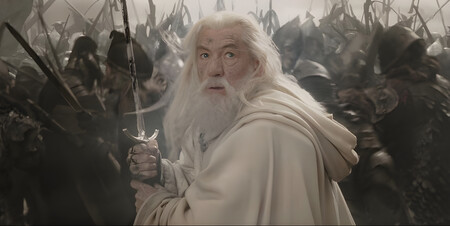
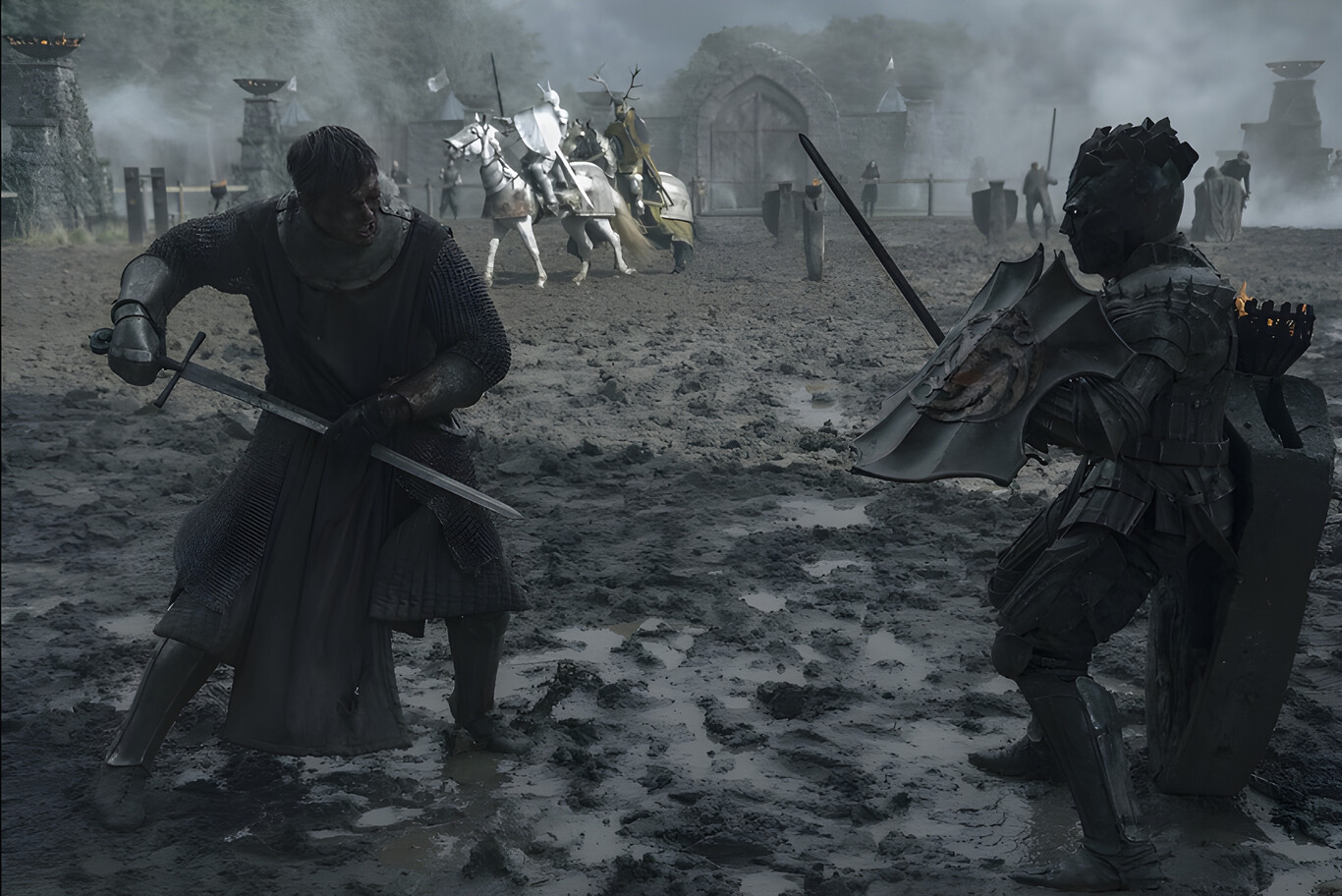
This shift paved the way for subsequent massive productions, including HBO’s Game of Thrones and various cinematic universes. However, many critics argue that despite the increased budgets of modern franchises, few have managed to replicate the "lightning in a bottle" quality of Jackson’s work. The trilogy’s influence also extended to the geopolitical sphere; New Zealand’s tourism industry saw a massive influx of "Tolkien tourists," and the government eventually appointed a "Minister for Lord of the Rings" to manage the economic opportunities created by the production.
Availability and the Streaming Era
In the current landscape of digital distribution, the trilogy has found a permanent home on major streaming platforms, ensuring its accessibility to global audiences. Currently, all three films, including the highly sought-after Extended Editions, are available on HBO Max (now rebranded as Max in many territories). These extended versions add over two hours of total footage to the trilogy, providing deeper character development and lore that remains a favorite among dedicated fans.
Additionally, the trilogy is available through Amazon’s Prime Video Channels, often bundled with promotional periods for HBO services. This availability has allowed the films to remain in the public consciousness, frequently trending during holiday seasons or when new related projects—such as the Rings of Power series or the upcoming animated feature The War of the Rohirrim—are announced.

Final Analysis: Why the Trilogy Remains Insuperable
As the film industry moves further into the era of streaming and rapid-fire content cycles, The Lord of the Rings stands as a monument to a different era of filmmaking—one characterized by immense risk, physical labor, and a singular devotion to source material. Its dominance in contemporary rankings like those of Letterboxd confirms that the trilogy has achieved the status of a modern classic.
The films succeeded because they balanced the "epic" with the "intimate." While the scale of the battles was unprecedented, the core of the story remained focused on the small, the humble, and the power of friendship. This human element, combined with a level of technical excellence that has rarely been matched, ensures that the journey from the Shire to Mount Doom will remain a cornerstone of cinematic history for decades to come. Whether viewed as a technical masterclass, a faithful adaptation of Tolkien’s philosophy, or a landmark of the New Zealand film industry, the trilogy remains the definitive standard for what the medium of cinema can achieve when ambition meets artistry.


 Raisa Andriana
 Eva Lovia
 Julia Chirkova
 Lana Rhoades
 Jia Lissa