
 Jia Lissa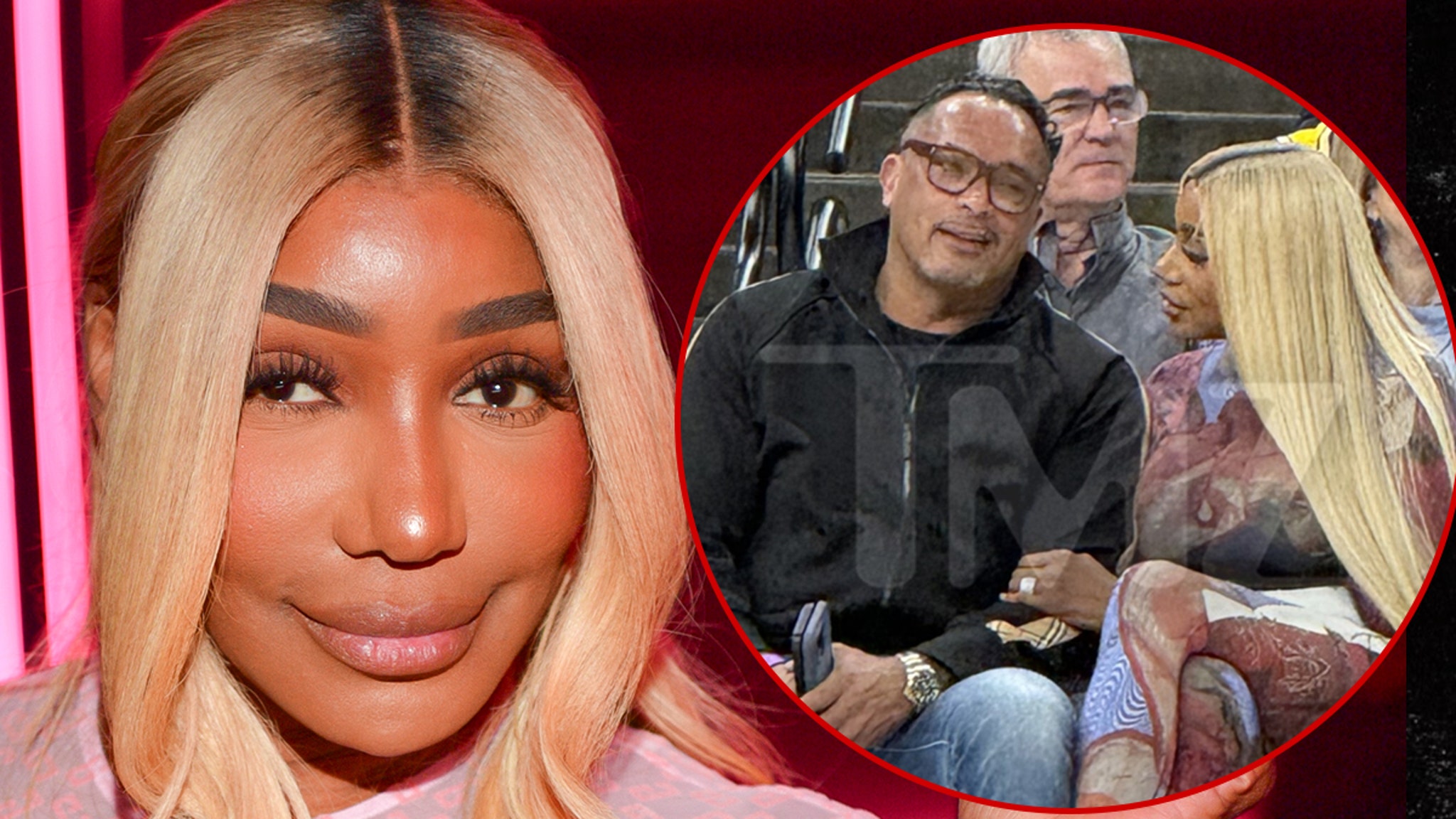
Published February 26, 2026, 4:23 PM PST
The burgeoning public romance between reality television icon NeNe Leakes and attorney Arthur Earl Horne III has been cast into a stark spotlight following the resurfacing of Horne’s criminal past. Nearly nine years ago, in February 2017, Horne was arrested in Tennessee on grave allegations of aggravated rape and assault stemming from an incident involving his then-ex-girlfriend. While a jury ultimately found him not guilty on the most serious felony charges, he was convicted of misdemeanor assault, a legal outcome that now draws renewed scrutiny as his relationship with the former star of "The Real Housewives of Atlanta" gains public traction.
The Allegations Emerge: A 2017 Incident
The events that led to Arthur Earl Horne III’s arrest unfolded in February 2017 in Memphis, Tennessee. According to reports from the time, Memphis Police Department officers responded to an urgent 911 call placed from the home of Horne’s former girlfriend. The situation they encountered described a deeply troubling domestic dispute that had allegedly escalated into physical violence and sexual assault.
Media reports, referencing police statements and court documents, indicated that the woman claimed she had engaged in a verbal altercation with Horne inside her residence, which quickly turned physical. She alleged that during the incident, she was subjected to a beating and sexually assaulted. The extent of her reported injuries included visible trauma to her face, neck, and arm, which were documented by authorities. Given the severity of these claims and the evidence presented at the scene, Memphis PD investigators preliminarily charged Horne with aggravated rape and aggravated assault, reflecting the serious nature of the allegations under Tennessee law. These initial charges signify the police’s assessment of probable cause that a felony, involving significant bodily harm or threat, had occurred.
Navigating the Legal System: Indictment and Trial
Following his arrest and preliminary charging, the case against Arthur Earl Horne III moved through the complex channels of the American legal system. The next critical step involved a grand jury, a panel of citizens convened to determine if there is sufficient probable cause to believe that a crime has been committed and that a specific person should be charged. The grand jury ultimately handed down an indictment against Horne, signifying their finding that enough evidence existed to proceed to trial on felony charges.
The indictment was comprehensive, detailing multiple serious counts. Horne was formally charged with one count of aggravated rape, three counts of aggravated kidnapping, and two counts of aggravated assault. These charges, particularly aggravated rape and aggravated kidnapping, carry significant penalties under Tennessee statutes, reflecting offenses involving severe violence, threat, or unlawful restraint. Aggravated rape, for instance, typically involves circumstances such as the use of a weapon, serious bodily injury to the victim, or multiple perpetrators, elevating it beyond simple rape. Aggravated kidnapping involves unlawful confinement under circumstances of serious injury, use of a deadly weapon, or intent to commit a felony.
The legal battle that ensued was a protracted one, characteristic of felony trials involving such serious allegations. During the trial, both the prosecution and the defense presented their respective cases, including witness testimonies, forensic evidence, and legal arguments. Horne, as an attorney himself, would have been acutely aware of the intricacies of the proceedings and the gravity of the charges he faced. After hearing all the evidence and arguments, the jury deliberated on the numerous counts. Their verdict, a pivotal moment in the legal process, found Arthur Earl Horne III not guilty on all the serious felony charges, including aggravated rape, aggravated kidnapping, and aggravated assault. However, the jury did find him guilty of a lesser charge: misdemeanor assault.
The Legal Outcome and Its Implications
The distinction between the initial charges, the indictment, and the final jury verdict is crucial for understanding the legal implications of Horne’s past. A "not guilty" verdict on felony charges like aggravated rape and aggravated kidnapping means the prosecution failed to prove beyond a reasonable doubt that Horne committed those specific crimes. It is important to clarify that a "not guilty" verdict is a statement about the prosecution’s inability to meet the high burden of proof required in criminal court, not necessarily an affirmation of innocence. The legal system operates on the principle that a defendant is innocent until proven guilty, and if that proof is not presented to the jury’s satisfaction, a not guilty verdict must follow.
Despite being acquitted of the more severe felony charges, Horne was convicted of misdemeanor assault. This conviction, while less severe than the felonies he initially faced, still represents a criminal offense. Misdemeanor assault in Tennessee typically involves intentionally or knowingly causing bodily injury to another, or putting another in reasonable fear of imminent bodily injury. The court records indicate that for this misdemeanor conviction, Horne received a sentence of just under a year of probation and 30 days in jail. This outcome reflects the judiciary’s assessment of the gravity of the misdemeanor offense and is a standard sentencing range for such convictions.
The impact of a misdemeanor conviction, while not as life-altering as a felony, can still be significant. It remains on an individual’s criminal record, potentially affecting employment, housing, and other aspects of life, particularly for a professional like an attorney. However, compared to the potential decades-long prison sentences associated with aggravated rape and kidnapping, the outcome represents a vastly different legal reality for Horne.
Official Response from Horne’s Legal Team
In response to the resurfacing of these past allegations and legal proceedings, Arthur Earl Horne III’s law office issued a comprehensive statement to TMZ, aiming to clarify the record from their perspective. The statement forcefully asserted the outcome of the jury trial, highlighting the "not guilty" verdicts on the most serious charges.
"Nearly a decade ago, a jury heard all of the evidence and found Arthur Earle Horne III NOT GUILTY on every serious charge brought against him, including aggravated rape, aggravated kidnapping, and aggravated assault. That is the verdict. That is the record," the statement read, underscoring the finality of the jury’s decision on those felony counts.
Regarding the misdemeanor conviction, Horne’s legal team acknowledged the outcome while maintaining his stance. The statement continued, "With respect to the misdemeanor, Mr. Horne has always maintained his innocence and accepted the outcome of that proceeding while never wavering from the truth. That matter was resolved by the courts years ago and he has nothing further to say about it." This portion of the statement suggests Horne’s acceptance of the legal resolution for the misdemeanor without conceding guilt, a common legal posture where a defendant may agree to a plea or accept a verdict without admitting to the underlying facts, particularly in cases where the evidence for a minor charge might be ambiguous or a strategic decision is made to close the matter. The emphasis on the matter being "resolved by the courts years ago" reflects a desire to move past the historical legal issues.
Arthur Earl Horne III: Professional Background
Arthur Earl Horne III is a practicing attorney, a detail that adds another layer of public and professional scrutiny to his past legal troubles. His profession typically demands adherence to strict ethical codes and a high degree of public trust. While a misdemeanor conviction does not automatically lead to disbarment or suspension of a law license, it can certainly trigger a review by the state bar association. Professional conduct committees often investigate such matters to determine if the conviction impacts the attorney’s fitness to practice law or constitutes a violation of professional ethics.
The "not guilty" verdicts on the felony charges would be a significant factor in any such review, as they prevent a finding of guilt for offenses that would almost certainly lead to disbarment. However, the misdemeanor assault conviction would still be considered within the context of an attorney’s moral character and professional responsibility. The public nature of his relationship with NeNe Leakes could also draw additional attention from these professional bodies, though any specific action would depend on the rules and discretion of the Tennessee Bar Association or relevant licensing board.
A New Public Romance: NeNe Leakes and Arthur Horne
The re-emergence of Horne’s legal history coincides with his newfound public visibility as the romantic partner of NeNe Leakes, a figure synonymous with reality television and a substantial public following. The couple recently made a prominent public appearance, signaling the seriousness of their relationship to the media and fans.
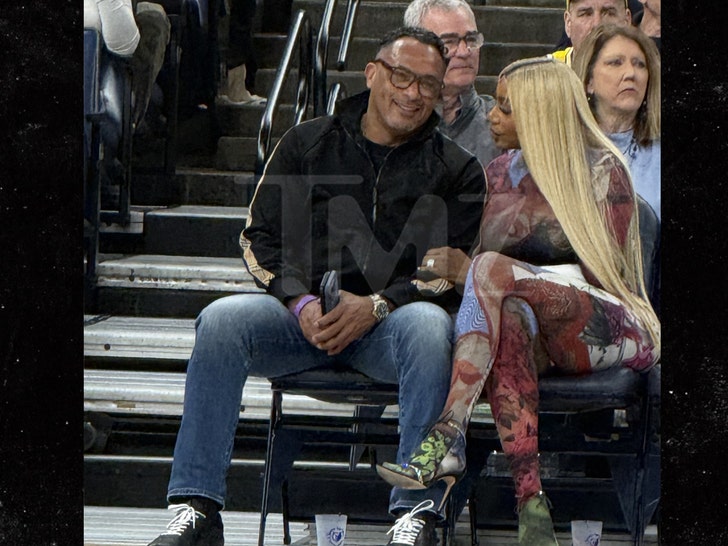
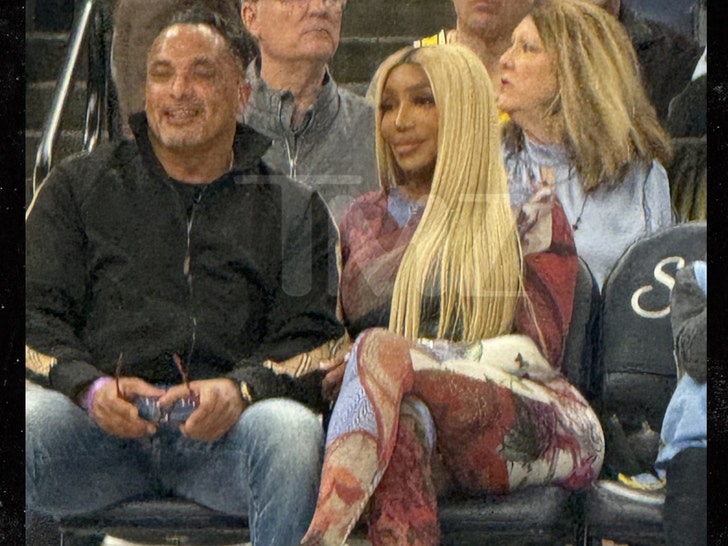
On Wednesday night, February 25, 2026, Leakes and Horne were seen courtside at the FedExForum in Memphis, attending a Memphis Grizzlies matchup against the Golden State Warriors. Eyewitness accounts and photographic evidence, including video obtained by TMZ, captured the pair displaying significant affection. They were observed locking lips, hugging, and generally being "very touchy-feely" throughout the evening. Photos showed Leakes holding Horne’s arm, radiating an image of happiness and contentment. This public display, coming nearly a decade after Horne’s legal entanglements, presents a striking contrast between his private past and his very public present. The Warriors ultimately defeated the Grizzlies 133-112, but for many, the action on the court was secondary to the celebrity sighting.
NeNe Leakes’ Relationship History: A Public Journey
NeNe Leakes has long been a fixture in the public eye, and her personal life, particularly her romantic relationships, has often been a topic of public and media fascination. Her journey through love has been well-documented, especially during her tenure on "The Real Housewives of Atlanta," where her marriage to Gregg Leakes was a central storyline.
NeNe and Gregg were initially married in 1997, divorcing in 2011, only to remarry in 2013 in a televised special, "I Dream of NeNe: The Wedding." Their enduring, albeit sometimes tumultuous, relationship was a cornerstone of her public persona. Gregg Leakes’ battle with colon cancer and his eventual passing in 2021 was a profoundly emotional and public event, garnering widespread sympathy and support for NeNe. His death marked a significant turning point in her life, both personally and publicly.
After a period of mourning, NeNe Leakes began a new relationship with fashion entrepreneur Nyonisela Sioh. This romance also drew considerable media attention, but it was not without its own set of complications, including public drama involving Sioh’s estranged wife. By 2023, Leakes announced that she and Sioh were taking a break, indicating the relationship had fizzled amidst the pressures and public scrutiny. Her current relationship with Arthur Earl Horne III represents another chapter in her highly visible romantic life, one that now brings with it the baggage of his previously resolved, but recently resurfaced, legal issues.
Broader Context: Celebrity Relationships and Public Scrutiny
The case of NeNe Leakes and Arthur Earl Horne III underscores the intense public and media scrutiny that partners of celebrities inevitably face. When an individual enters into a high-profile relationship, their personal history, including past legal troubles, often becomes fair game for public discourse and journalistic investigation. This phenomenon highlights the "court of public opinion," which operates distinctly from the legal system. While a court of law delivers verdicts based on evidence and legal standards, public opinion can be swayed by allegations, perceptions, and the perceived moral character of individuals, often regardless of legal outcomes.
For public figures like NeNe Leakes, the choices of romantic partners can significantly impact their brand, reputation, and public image. Celebrities often become symbols or role models, and the public frequently holds their associates to similar standards. This dynamic can create immense pressure on relationships, particularly when one partner has a past that, even if legally resolved, might be viewed unfavorably by segments of the public. It also opens up societal discussions about second chances, the right to privacy, the nature of justice, and the complexities of domestic violence cases, where outcomes are not always clear-cut or universally satisfying.
The re-examination of Horne’s 2017 arrest and subsequent misdemeanor conviction in 2026, fueled by his new relationship with a prominent celebrity, serves as a poignant reminder of how deeply intertwined personal histories can become with public narratives, particularly in the digital age where information, once published, can resurface with renewed impact years later. The story of NeNe Leakes and Arthur Earl Horne III is thus not merely a celebrity romance but a broader commentary on accountability, public perception, and the enduring shadows of past events.




 Raisa Andriana
 Eva Lovia
 Julia Chirkova
 Nila Kartika Wati
 Lana Rhoades