
 Julia Chirkova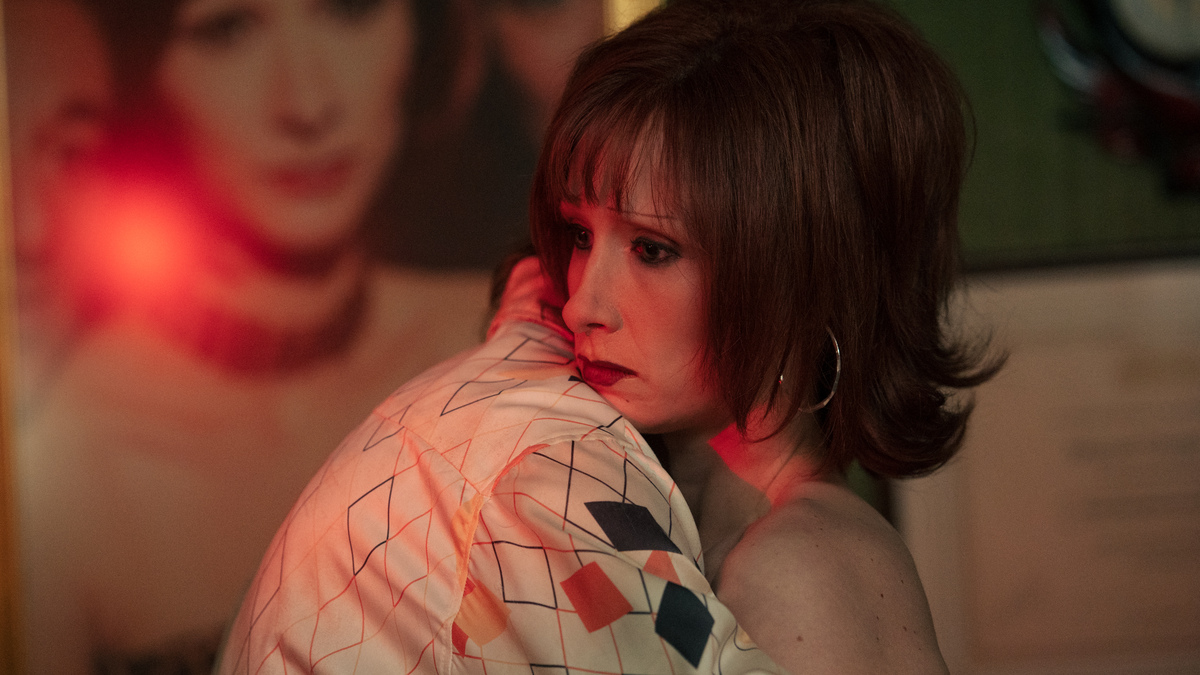
Actress Ingrid García-Jonsson takes center stage in "Rafaela y su Loco Mundo," a new original comedy series on atresplayer, offering a deep dive into the project’s absurdist humor, the unique filming experience, and her current career trajectory. Created by Aníbal Gómez and co-directed by Ernesto Sevilla, the series draws inspiration from the book "El Alucinante Mundo de Rafaella Mozarella," promising a surreal and disconnected viewing experience through its self-contained, 20-minute episodes. García-Jonsson describes the project as potentially "the most fun I’ve ever participated in, or at least the wildest," highlighting its departure from her previous roles and allowing her to explore new artistic territories.
Her career, which began with a Goya nomination for Best New Actress in "Hermosa Juventud," has since encompassed a diverse range of projects including "Ana de Día," "Explota Explota," "Veneciafrenia," "Un Amor," the series "Instinto," and the recent acclaimed performance in "Superestar," where her portrayal of Tamara/Yurena has garnered significant recognition. "Rafaela y su Loco Mundo" represents a deliberate step into a more unconventional and playful realm of storytelling, a conscious choice that reflects her evolving artistic ambitions.
The Genesis of a Whimsical Collaboration
García-Jonsson’s involvement in "Rafaela y su Loco Mundo" was initiated through a direct offer, a welcome development that speaks to the creative team’s vision for the character of Rafaela. Aníbal Gómez first approached her during the filming of another project, expressing his aspirations for a new series and his desire for her to embody one of its characters. Without hesitation, García-Jonsson accepted the prospect, a testament to her immediate intrigue. This initial conversation laid the groundwork for a more formal offer from producers Félix Tusell and Arturo. Upon receiving a detailed explanation of the project’s scope and artistic direction, her enthusiasm only grew, culminating in an eager inquiry about the commencement of filming.
The allure of "Rafaela y su Loco Mundo" extends beyond its unconventional narrative. For García-Jonsson, the opportunity to reunite with a creative team she deeply respects was a significant draw. Having previously collaborated with them, she describes them as "wonderful people to share time with," emphasizing the importance of nurturing such productive and positive working relationships. This sentiment underscores a professional philosophy that values collaboration and shared artistic vision as highly as the individual project itself.
Embracing the Absurd: A Creative Playground
The series’ embrace of absurdist and zany humor was a primary attraction for García-Jonsson. She articulates this fascination by stating, "For me, as an actress, that is super interesting because it allows me to explore facets that I haven’t worked on as much before." This desire to push creative boundaries and engage with novel acting challenges is a hallmark of her approach to her craft. The project offered a rare chance to step outside familiar performance patterns and delve into a more experimental and playful mode of acting.
Her description of the series as "the most fun I’ve ever participated in, or at least the wildest" encapsulates the palpable energy and uninhibited creativity that defined the production. This self-awareness of the project’s unique character and its potential impact on her artistic development is a key insight into her decision-making process. The opportunity was not merely another role, but a chance for significant professional and personal growth, a prospect she clearly relished.
Crafting Rafaela: A Blend of Inspiration and Playfulness
Rafaela, as portrayed by García-Jonsson, deviates significantly from conventional teenage archetypes. The construction of such a unique character involved a deliberate and collaborative process. García-Jonsson emphasizes the importance of extensive discussions with creators Aníbal Gómez and Ernesto Sevilla to fully grasp their artistic intentions. This foundational dialogue ensured a shared understanding of Rafaela’s essence and her place within the series’ peculiar world.
Beyond these discussions, García-Jonsson drew inspiration from a diverse range of sources. She cites "Pippi Longstocking" and numerous animated cartoons as key influences, explaining, "I was picking up a little bit from here and there to be able to structure that character who is almost more of a manga drawing than a real teenager." This eclectic approach highlights a willingness to look beyond traditional acting methodologies and embrace unconventional inspirations to embody a character that exists in a realm of heightened reality. The alternative, she notes, would have been to adopt a more conventional, method-acting approach, perhaps by observing real teenagers. However, she recognized that for "Rafaela," a more "playful" and less "methodical" approach was essential, aligning with the series’ inherently whimsical nature. This adaptation of her process underscores her commitment to serving the specific needs of each project.

The Essence of "Rafaela y su Loco Mundo": Pure Escapism
Defining the core essence of "Rafaela y su Loco Mundo," García-Jonsson describes it primarily as a "laugh-out-loud series, conceived by and for entertainment." The overarching goal is to provide viewers with a brief respite from the outside world, a 20-minute "total disconnection." She acknowledges the potential for this statement to sound frivolous, admitting that "saying that a comedy series is important sounds exaggerated." However, she reframes the series’ value not in its grand pronouncements or world-changing potential, but in its ability to offer a much-needed antidote to contemporary anxieties.
"It’s not that ‘Rafaela y su Loco Mundo’ is crucial or important, nor that it will establish world peace," she clarifies. Instead, she posits that "it will make life a little easier for you. Twenty minutes of fun a day won’t hurt anyone." This perspective champions the intrinsic value of entertainment and escapism, particularly in challenging times. The series, in her view, represents a form of "indulgence" that is beneficial for the viewer, asserting that "it’s not important, but it’s good that it exists." This thoughtful defense of comedy as a vital form of cultural contribution resonates deeply, highlighting its role in mental well-being and providing moments of levity.
The Aníbal Gómez and Ernesto Sevilla Factor: Redefining Spanish Comedy
The collaborative genius of Aníbal Gómez and Ernesto Sevilla, who not only helmed the series but also star in it, is central to its unique comedic voice. García-Jonsson observes that they "have advocated strongly for the absurd and for making humor from there." This deliberate cultivation of absurdist elements results in a series rich with "surreal and fantastic moments." She characterizes their comedic approach as "more playful, for playing’s sake."
While acknowledging that the series may contain underlying messages and interpretations, she stresses that it "does not directly criticize nor intend to talk about anything in particular." Instead, the humor is presented in a more "abstract" form, prioritizing the joy of creation and the inherent amusement of the unexpected. This approach positions "Rafaela y su Loco Mundo" as a distinct contribution to the contemporary Spanish comedy landscape, offering a refreshing departure from more conventional comedic structures. Their work suggests a broader trend in Spanish television towards more experimental and genre-bending comedy, catering to audiences seeking novel forms of entertainment.
A Set Filled with Laughter: The Filming Experience
The on-screen exuberance of "Rafaela y su Loco Mundo" is a direct reflection of the on-set atmosphere. García-Jonsson confirms that the filming experience was "as fun as people imagine." She recounts a personal anecdote of watching herself in the completed series and being unable to contain her laughter, even in takes that were ultimately included in the final edit. "It’s the first time that has happened to me as an actress, not being able to complete a scene without laughing," she admits. This candid admission speaks volumes about the infectious good humor that permeated the production.
The enduring memory of the enjoyable filming process is something she cherishes. "I think it’s pretty cool that the memory of how much fun I had remains there." This sentiment underscores the positive impact of a collaborative and enjoyable work environment, which not only enhances the creative output but also fosters lasting professional bonds. The ability to laugh through scenes, even when facing time constraints, speaks to the deep camaraderie and shared sense of purpose among the cast and crew.
Navigating the Nuances of Improv and Time Constraints
Despite the evident fun on set, the production of "Rafaela y su Loco Mundo" was characterized by meticulous planning and tight schedules. García-Jonsson clarifies that while creativity was encouraged, "the scripts were very measured, and we were also very short on time." The emphasis was on efficient execution rather than extensive improvisation. "If something occurred to us on the fly and it was better, it was incorporated, because a joke is never going to be let go," she explains, acknowledging the natural inclination to seize upon good comedic ideas. However, she stresses that "there were no long takes for experimentation."
The series’ ambitious scope necessitated a highly disciplined approach to filming. "It’s a very ambitious series to film, and we had to get many shots in very little time." This logistical challenge highlights the skill and dedication of the entire production team in bringing such a creatively demanding project to fruition within practical constraints. The success of the series is therefore a testament to both artistic vision and logistical mastery.
Professional Growth and the Evolving Career Landscape
Looking back on "Rafaela y su Loco Mundo," García-Jonsson views it as a significant learning experience. "Professionally, I leave very happy because it has been a very enriching experience and has taught me a lot about what comedy is and about the relaxation that must be achieved to be able to work with this." The project has provided her with invaluable insights into the mechanics of comedic performance and the importance of a relaxed, open mindset for creative exploration.

In terms of her career trajectory, she acknowledges that "time and the public will tell" about its long-term impact. This measured perspective reflects an understanding that the success and influence of any artistic endeavor are ultimately determined by audience reception and critical assessment over time. Her contentment with the immediate professional enrichment, however, is evident.
Riding the Wave of "Superestar" Recognition
Parallel to her work on "Rafaela y su Loco Mundo," García-Jonsson is experiencing a significant surge in recognition for her role in "Superestar." She expresses immense satisfaction with the project, describing it as a "very complicated role and a very risky project." The accolades and nominations serve as powerful affirmations of her performance, signifying approval from both the press and her peers. "The nominations are like little approvals: the press liked it, fellow actors liked it, and now the public too," she states.
She likens the process of receiving awards and critical acclaim to winning a lottery, acknowledging that "many factors have to come together for a project to reach awards." The success of "Superestar," a project she recognized as "very special, but also very risky," has engendered immense pride within the production team. This widespread acclaim for a bold and unconventional project underscores a growing audience appetite for diverse and challenging narratives. The series’ success also signals a broader trend in television production towards exploring more complex and nuanced character studies.
Comfort in Diverse Formats: The Actor’s Canvas
When questioned about her preferred format, García-Jonsson articulates a flexible artistic philosophy: "If I like the story, I’m comfortable. The format doesn’t matter much to me, because in the end, the work is quite similar." This perspective emphasizes the primacy of compelling narratives and character development, transcending the specific medium of delivery.
While she expresses a desire to return to theater, having not performed on stage in some time, she acknowledges that "audiovisual is my medium for now." This indicates a current focus on film and television, a domain where she has achieved considerable success. Her openness to exploring different artistic avenues, however, suggests a commitment to continuous growth and a willingness to adapt her skills to new challenges.
Aspiring to Classic Roles: The Dream of Blanche DuBois
Looking ahead, García-Jonsson harbors a specific artistic ambition: to portray Blanche DuBois in a new rendition of "A Streetcar Named Desire." This iconic role, from one of her "favorite plays," represents a significant dramatic challenge that she is eager to undertake. This aspiration highlights her interest in exploring complex, psychologically rich characters and engaging with canonical theatrical works. The potential for her to bring a fresh interpretation to such a well-known character is a prospect that audiences might eagerly anticipate.
Charting the Future: Iceland, Direction, and Unforeseen Turns
García-Jonsson’s immediate future involves a significant international project: a film shoot in Iceland. Her role as an Icelandic character necessitates a deep immersion into the local accent and language, a challenge she is embracing with characteristic dedication. "My character is Icelandic, so I have to do a pretty heavy immersion in accent and language," she notes. Due to confidentiality agreements, she is unable to disclose further details about the film.
The current year has been marked by a degree of professional volatility, with several promising projects experiencing unexpected shifts or cancellations. "It’s been a somewhat chaotic year because I had several projects about to close, and they moved or fell through." Despite these uncertainties, she remains optimistic about the future, stating, "There are cool things on the horizon, but nothing firm yet."
Furthermore, she hints at a potential foray into directing. "I think I’ll do a small foray into directing, if everything goes well." However, she remains cautious about discussing this prospect in detail, perhaps mindful of past experiences where premature announcements led to project derailments. Her preference for discretion suggests a pragmatic approach to career planning, focusing on tangible achievements rather than speculative endeavors. This blend of ambition, adaptability, and cautious optimism defines her current professional outlook.




 Eva Lovia
 Julia Prastini
 Lina Irawan
 Lana Rhoades
 Jia Lissa