
 Candice Horbacz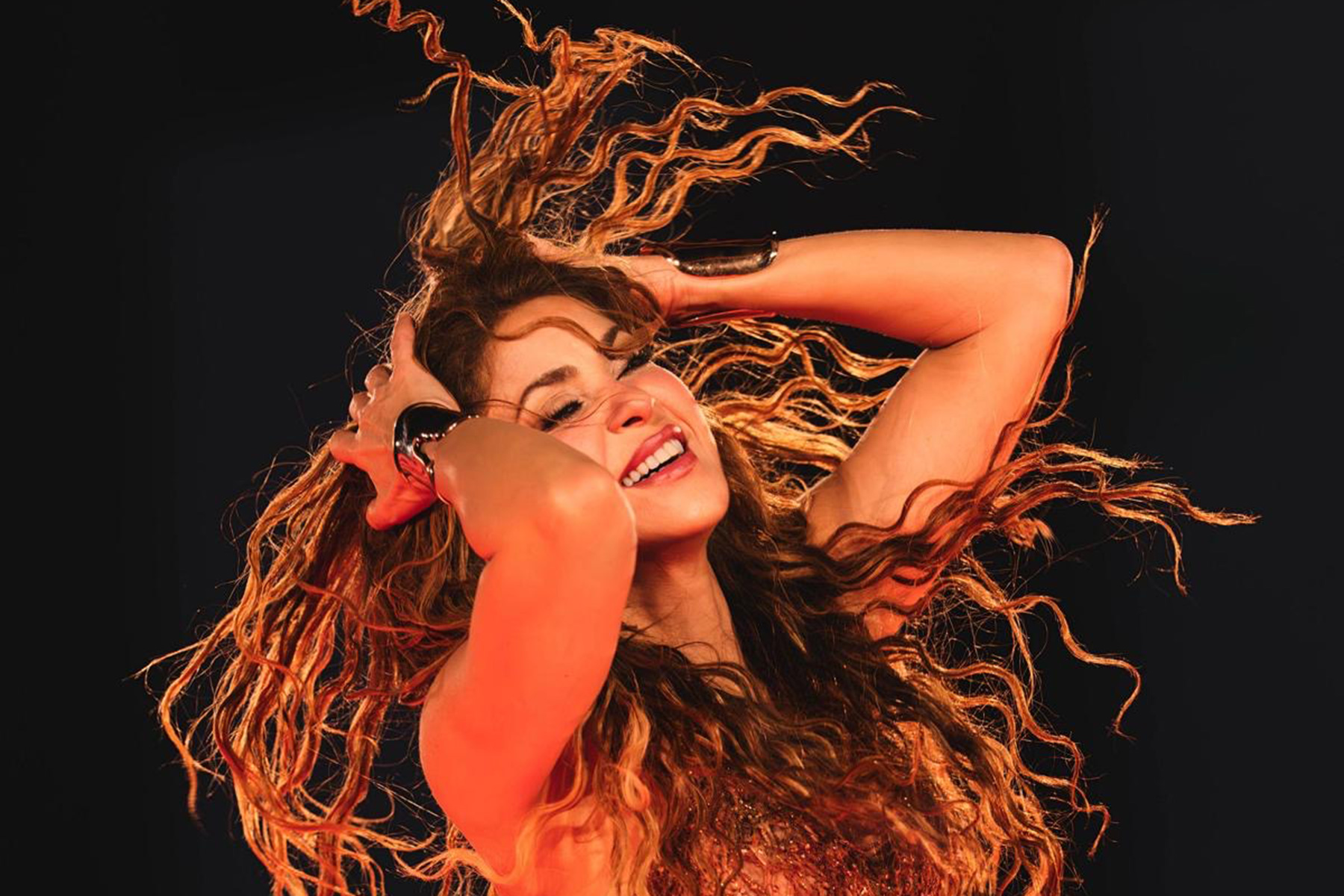
The global music phenomenon Shakira has been named as one of 17 nominees for induction into the prestigious Rock & Roll Hall of Fame, a recognition that underscores the often-understated rock influences woven throughout her illustrious career. This nomination places the Colombian superstar alongside an eclectic group of artists, including P!NK, Lauryn Hill, Wu-Tang Clan, Phil Collins, Mariah Carey, Oasis, and Sade, all vying for a coveted spot in music history. The announcement, made by the Rock & Roll Hall of Fame, marks a significant moment for an artist who has consistently defied genre boundaries, yet whose foundational artistry is deeply rooted in rock and roll.
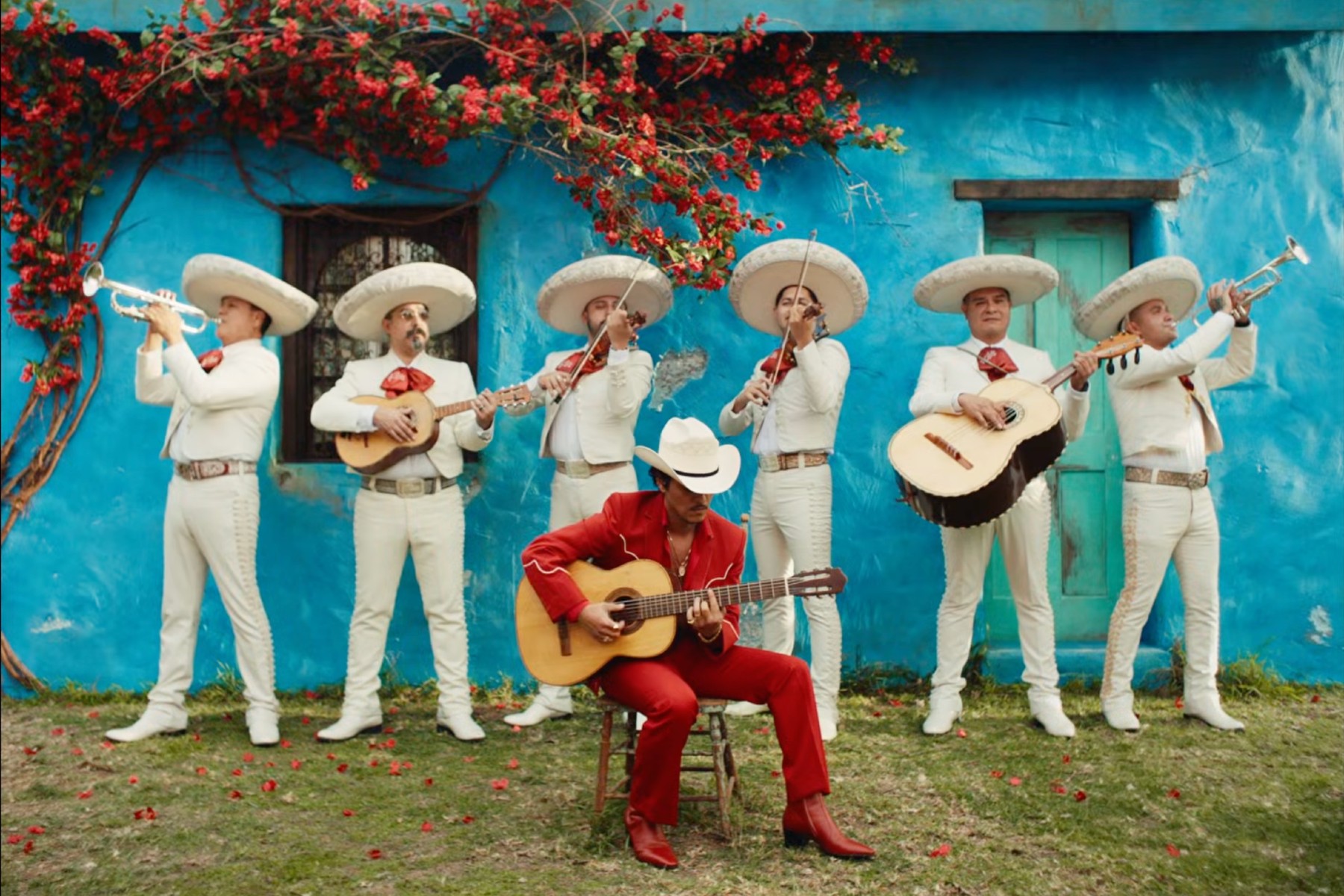
For fans who have followed Shakira’s trajectory from her early days, the nomination is a testament to the "roquera" spirit that has characterized her from the outset. Long before her global reign with reggaeton-infused anthems like "Hips Don’t Lie" featuring Wyclef Jean and "La Tortura" with Alejandro Sanz, a younger Shakira captivated audiences with her distinctive wavy black hair and a palpable rockstar persona. Her initial musical offerings were a clear reflection of this raw, energetic spirit. From the introspective ballad "Antología" to the more angst-ridden "Pies Descalzos, Sueños Blancos," her early work showcased a profound connection to the rock genre. This inherent inclination towards rock has not diminished but rather evolved, manifesting in her fearless experimentation with its sonic palette. She has masterfully fused rock elements with traditional Latin American music, incorporating mariachi influences in "Ciega, Sordomuda" and the fiery rhythms of tango in "Objection (Tango)." These stylistic fusions highlight her versatility and her commitment to pushing creative boundaries within the rock framework.
The visual evidence of Shakira’s rock bona fides is also undeniable. In the music videos for tracks like "Que Me Quedes Tú" and "Don’t Bother," she is prominently featured playing the drums and electric guitar, respectively. These performances are not mere stylistic embellishments; they are authentic demonstrations of her engagement with rock instrumentation. Furthermore, several of her rock-influenced songs have achieved significant commercial success, charting on the all-genre Billboard Hot 100. "Objection (Tango)," "Don’t Bother," and "Empire" stand as prime examples of her rock-infused tracks that have resonated with a broad audience, proving that her rock leanings are not confined to niche appeal but possess widespread commercial viability.
Shakira’s eligibility for the Rock Hall nomination stems from the established criteria: her first commercial recording, Magia, was released in 1991, more than 25 years ago. This milestone allows artists to be considered for induction, acknowledging their sustained impact and historical significance in the evolution of rock and roll. The Rock & Roll Hall of Fame, founded in 1983, aims to recognize and celebrate the artists, producers, songwriters, and other individuals who have had a significant influence on the development and perpetuation of rock and roll music. The institution has a rigorous nomination and induction process, designed to ensure that only the most deserving figures are honored.
The Rock & Roll Hall of Fame Nomination Process
The Rock & Roll Hall of Fame induction process is a multi-faceted endeavor involving a diverse body of experts and, importantly, the public. This year, a distinguished panel of over 1,200 artists, historians, and music industry professionals will cast their votes to determine the final inductees. In addition to this esteemed jury, a fan vote contributes to the selection process, allowing music enthusiasts worldwide to voice their preferences and influence the outcome. This dual approach ensures a blend of expert opinion and popular sentiment in honoring musical legacies. The Class of 2026 inductees are slated to be announced in April, with the official induction ceremony scheduled to take place in the fall. The location for this year’s ceremony is yet to be announced, but it is expected to draw significant attention from the music industry and fans alike.
Shakira’s Rock Evolution: A Chronological Perspective
Shakira Isabel Mebarak Ripoll, born in Barranquilla, Colombia, first emerged onto the music scene in the early 1990s. Her debut album, Magia (1991), was a testament to her youthful exuberance and nascent songwriting talent, featuring songs that hinted at her rock inclinations, albeit within a more pop-oriented framework. This was followed by Peligro (1993), which further explored her musical identity.
The true pivot towards a more pronounced rock sound became evident with her third album, Pies Descalzos (1995). This album, released in Spanish, was a critical and commercial success throughout Latin America. It featured a collection of songs that were more guitar-driven, with lyrics that explored themes of innocence, social injustice, and youthful rebellion – all hallmarks of rock music. Tracks like "Pies Descalzos, Sueños Blancos" and "Estoy Aquí" showcased her burgeoning rockstar persona and songwriting maturity.
Her subsequent Spanish-language albums, ¿Dónde Están los Ladrones? (1998) and Servicio de Lavandería (2001), continued this trajectory. ¿Dónde Están los Ladrones? is often cited by critics as a definitive rock album in her discography, featuring powerful anthems like "Ciega, Sordomuda" and "Ojos Así." The latter, while incorporating Middle Eastern influences, retained a strong rock backbone.
The crossover into the English-speaking market with Laundry Service (2001) marked a significant moment. While the album embraced a more pop and Latin pop sound to appeal to a global audience, it also included tracks like "Objection (Tango)," which powerfully showcased her rock roots with its driving guitars and assertive vocals. This period solidified her ability to blend diverse musical styles while maintaining a core rock sensibility.
Her 2005 album, Fijación Oral, Vol. 1 (Spanish) and Oral Fixation, Vol. 2 (English), further demonstrated this duality. Oral Fixation, Vol. 2 spawned the global mega-hit "Hips Don’t Lie," which, while heavily influenced by reggaeton and cumbia, was built upon a dynamic rhythm section and guitar riffs that hinted at its rock foundations. Meanwhile, Fijación Oral, Vol. 1 delved deeper into her Latin rock influences.
In the years that followed, Shakira continued to experiment, incorporating elements of electronic music, pop, and R&B, yet the rock influence often resurfaced, particularly in her energetic stage performances and the raw emotion conveyed in her vocals. Her 2014 album Shakira. featured the track "Empire," a powerful rock ballad that was widely praised for its soaring guitar solos and anthemic chorus, further solidifying her connection to the genre.
Supporting Data and Impact Analysis
Shakira’s musical journey, marked by over 80 million records sold worldwide, signifies a profound and lasting impact on the global music landscape. Her ability to transcend linguistic and cultural barriers is a testament to the universal appeal of her artistry. The Rock & Roll Hall of Fame nomination is not merely an acknowledgment of her commercial success but a recognition of her significant contribution to the evolution of popular music, particularly her consistent integration and innovative fusion of rock elements.
The inclusion of Shakira among the nominees highlights a broader trend in the music industry: the blurring of genre lines and the recognition of artists who have successfully navigated multiple musical territories. Her career exemplifies how an artist can achieve mainstream success while remaining true to their artistic roots and consistently experimenting with new sounds. This nomination could also serve to re-emphasize the importance of Latin American artists in the global rock narrative, a contribution that has historically been underrepresented in mainstream Western music discourse.
Furthermore, the fan vote component of the Rock Hall induction process underscores the deep and enduring connection Shakira has cultivated with her fanbase. Her loyal followers, spanning generations and continents, are likely to rally behind her nomination, reflecting the powerful and emotional resonance of her music. The potential induction of Shakira would add another significant Latin American artist to the Rock & Roll Hall of Fame, further diversifying its honorees and celebrating the global reach and influence of rock music.
Conclusion
Shakira’s nomination for the Rock & Roll Hall of Fame is a well-deserved honor that acknowledges the multifaceted nature of her artistic legacy. It serves as a powerful reminder that beneath the global pop icon lies an artist with a deep-seated passion for rock and roll, evident in her early work, her experimental fusions, and her enduring stage presence. As the voting process unfolds, the music world will be watching with anticipation, celebrating an artist who has consistently redefined boundaries and captivated audiences with her unique blend of talent, passion, and an undeniable rockstar spirit. Her potential induction would not only be a personal triumph but a significant moment for Latin music and its integral role in the history and ongoing evolution of rock and roll.



 Raisa Andriana
 Eva Lovia
 Julia Chirkova
 Nila Kartika Wati
 Lana Rhoades
 Jia Lissa