
 Nila Kartika Wati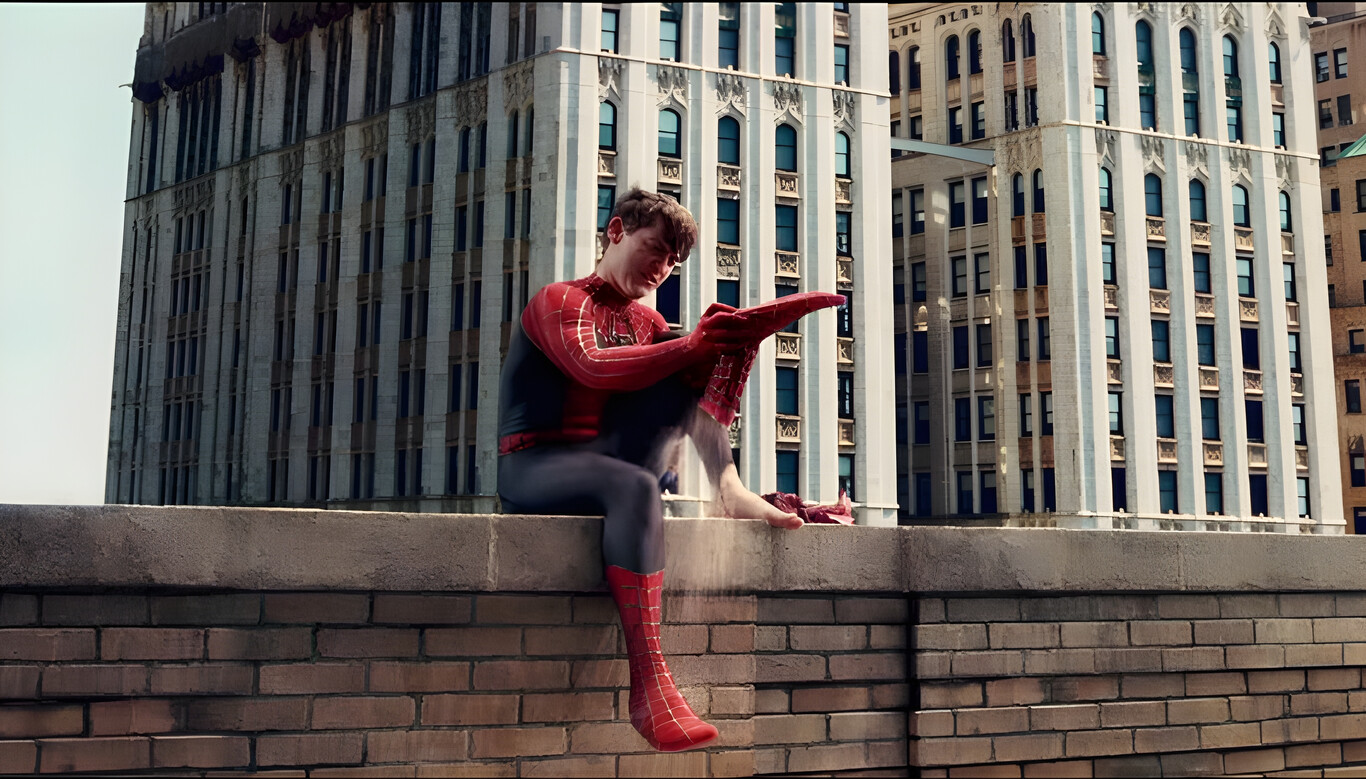
The announcement that Spider-Man 3 is scheduled to depart the Netflix streaming catalog on February 28, 2026, signals a significant transition for one of the most culturally enduring and debated entries in the modern superhero genre. Released in 2007 as the final chapter of director Sam Raimi’s seminal trilogy, the film has undergone a dramatic transformation in public perception, evolving from a critically divisive blockbuster into a celebrated cult classic. As the licensing agreement between Sony Pictures and Netflix nears its conclusion for this specific title, audiences are presented with a final window to revisit the conclusion of the Peter Parker saga that helped establish the architectural blueprint for the contemporary Marvel Cinematic Universe (MCU).
The Complex Production History and Studio Pressures
To understand the narrative density of Spider-Man 3, one must examine the turbulent production environment that shaped its development between 2005 and 2007. Following the massive critical and commercial success of Spider-Man 2 in 2004—often cited as one of the greatest superhero films of all time—director Sam Raimi initially envisioned a more streamlined story for the third installment. Raimi’s original intent focused on the redemption of Sandman (Flint Marko) and the final confrontation between Peter Parker and Harry Osborn.
However, historical records and industry interviews from that era reveal significant studio intervention from Sony Pictures, particularly from producer Avi Arad. The studio, responding to fan demand and merchandising potential, pressured Raimi to include the character of Venom (Eddie Brock), despite the director’s personal lack of affinity for the character. This led to an overstuffed script that attempted to juggle three major antagonists: the Sandman, the New Goblin, and Venom. This "villain fatigue" became a primary point of contention for critics upon the film’s release, yet it is this very excess that modern audiences have come to appreciate as part of the film’s unique, maximalist charm.
Narrative Analysis: The Corruption of a Hero
Spider-Man 3 picks up with Peter Parker (Tobey Maguire) at the zenith of his public popularity. For the first time in the trilogy, New York City embraces its web-slinging protector, and Peter’s personal life with Mary Jane Watson (Kirsten Dunst) appears to be stabilizing. This stability is shattered by the arrival of an extraterrestrial symbiote that attaches itself to Peter’s suit, amplifying his darkest impulses.
The film’s exploration of Peter’s arrogance and ego remains its most distinctive thematic element. Unlike the more traditional "dark hero" tropes seen in later films, Raimi’s interpretation of a "corrupted" Peter Parker manifested as a flamboyant, cringeworthy, and aggressive version of his former self. The infamous "jazz club" and street-dancing sequences, which were widely ridiculed in 2007, have since been recontextualized by film historians as a deliberate stylistic choice. Raimi, a director with deep roots in slapstick horror (The Evil Dead), used these scenes to illustrate Peter’s distorted perception of "coolness." This nuanced take on the fallibility of a hero provides a psychological depth that was arguably ahead of its time.
A Chronology of the Raimi Spider-Man Franchise
The departure of the third film from Netflix serves as a reminder of the franchise’s historical timeline and its role in the evolution of cinema:
- May 2002: Spider-Man premieres, breaking box office records with a $114 million opening weekend and proving that high-budget superhero films were viable long-term investments.
- June 2004: Spider-Man 2 is released to universal acclaim, deepening the emotional stakes and setting a new standard for visual effects with the character of Doctor Octopus.
- May 2007: Spider-Man 3 debuts. Despite mixed reviews, it sets a then-record for the largest opening weekend in history ($151 million).
- 2008–2010: Development begins on Spider-Man 4, with John Malkovich cast as Vulture and Anne Hathaway as Black Cat. However, due to script disagreements and a tight production schedule, Raimi withdrew from the project.
- January 2010: Sony officially cancels Spider-Man 4 and announces a reboot, which eventually became The Amazing Spider-Man (2012).
- December 2021: The "Raimi-verse" sees a resurgence as Tobey Maguire reprises his role in Spider-Man: No Way Home, retroactively increasing the streaming demand for his original trilogy.
Commercial Performance vs. Critical Reception
By the numbers, Spider-Man 3 was an undeniable juggernaut. It earned approximately $894.9 million at the global box office against a production budget estimated between $250 million and $300 million. At the time of its release, it was the highest-grossing film in the trilogy and the third highest-grossing film of 2007, trailing only Pirates of the Caribbean: At World’s End and Harry Potter and the Order of the Phoenix.

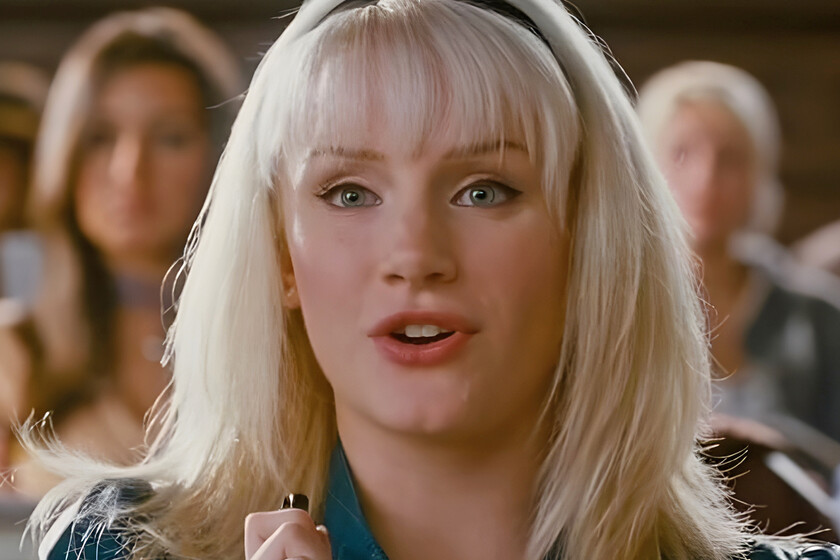
Critically, however, the film faced an uphill battle. It currently holds a 63% "Fresh" rating on Rotten Tomatoes, a sharp decline from the 93% held by its predecessor. Critics from outlets like The Guardian and The New York Times argued that the film’s emotional core was buried under the weight of its special effects and multiple subplots. Specifically, the introduction of Gwen Stacy (Bryce Dallas Howard) and the retconning of Uncle Ben’s death to include Flint Marko were seen as unnecessary complications to an already crowded narrative.
Despite these contemporary critiques, the film’s technical achievements were widely praised. The CGI for Sandman, involving complex particle physics simulations, remains impressive nearly two decades later. The film’s score, a collaboration between Danny Elfman’s established themes and Christopher Young’s new compositions for the symbiote, provided a darker, more operatic tone that matched the film’s melodramatic ambitions.
The "Bully Maguire" Phenomenon and Digital Legacy
In the decade following its release, Spider-Man 3 found a second life through internet culture. The "Bully Maguire" meme—a series of remixes featuring Peter Parker’s aggressive, symbiote-influenced behavior—introduced the film to a generation of viewers who were too young to see it in theaters. This digital resurgence helped shift the conversation away from the film’s structural flaws and toward its entertainment value and Raimi’s idiosyncratic directorial voice.
The film’s legacy is also tied to its role as a cautionary tale for the burgeoning "cinematic universe" model. The "three-villain problem" identified in Spider-Man 3 became a shorthand in Hollywood for the dangers of prioritizing world-building and character introductions over narrative cohesion. It is a lesson that later franchises, including the Amazing Spider-Man reboot and certain entries in the MCU, have had to navigate with varying degrees of success.

Broader Implications of the Streaming Departure
The removal of Spider-Man 3 from Netflix on February 28, 2026, is part of a broader trend of "content volatility" in the streaming era. As Sony Pictures does not operate its own dedicated global streaming platform (unlike Disney with Disney+ or Warner Bros. with Max), it relies on licensing deals with third-party providers. The expiration of this deal suggests that the streaming rights may be moving toward a more consolidated home, likely Disney+, where the rest of the Spider-Man films and the MCU catalog increasingly reside.
For film historians and casual fans alike, the 2026 deadline represents the end of an accessible era for the Raimi trilogy on the world’s largest streaming service. It encourages a final assessment of a film that attempted to do the impossible: conclude a massive narrative arc while satisfying intense corporate demands.
Conclusion: A Piece of Superhero History
Spider-Man 3 remains a fascinating artifact of a transitional period in Hollywood history. It stands between the auteur-driven superhero films of the early 2000s and the highly coordinated, producer-led mega-franchises of the 2010s. While it may lack the tight narrative focus of Spider-Man 2, its ambition, visual flair, and willingness to embrace the absurd have allowed it to age more gracefully than many of its contemporaries.
As February 2026 approaches, the urgency to revisit the film is not merely about nostalgia; it is about acknowledging a pivotal moment in pop culture. Whether it is the tragic redemption of Flint Marko, the Shakespearean fall of Harry Osborn, or the unapologetic weirdness of "Emo Peter," Spider-Man 3 offers a viewing experience that is distinctly, undeniably Sam Raimi. Its departure from Netflix marks a closing chapter for the platform, but the film’s impact on the genre and its status as a meme-worthy masterpiece ensure that it will never truly disappear from the cultural consciousness.


 Jia Lissa
 Raisa Andriana
 Eva Lovia
 Julia Chirkova
 Lana Rhoades