
 Nila Kartika Wati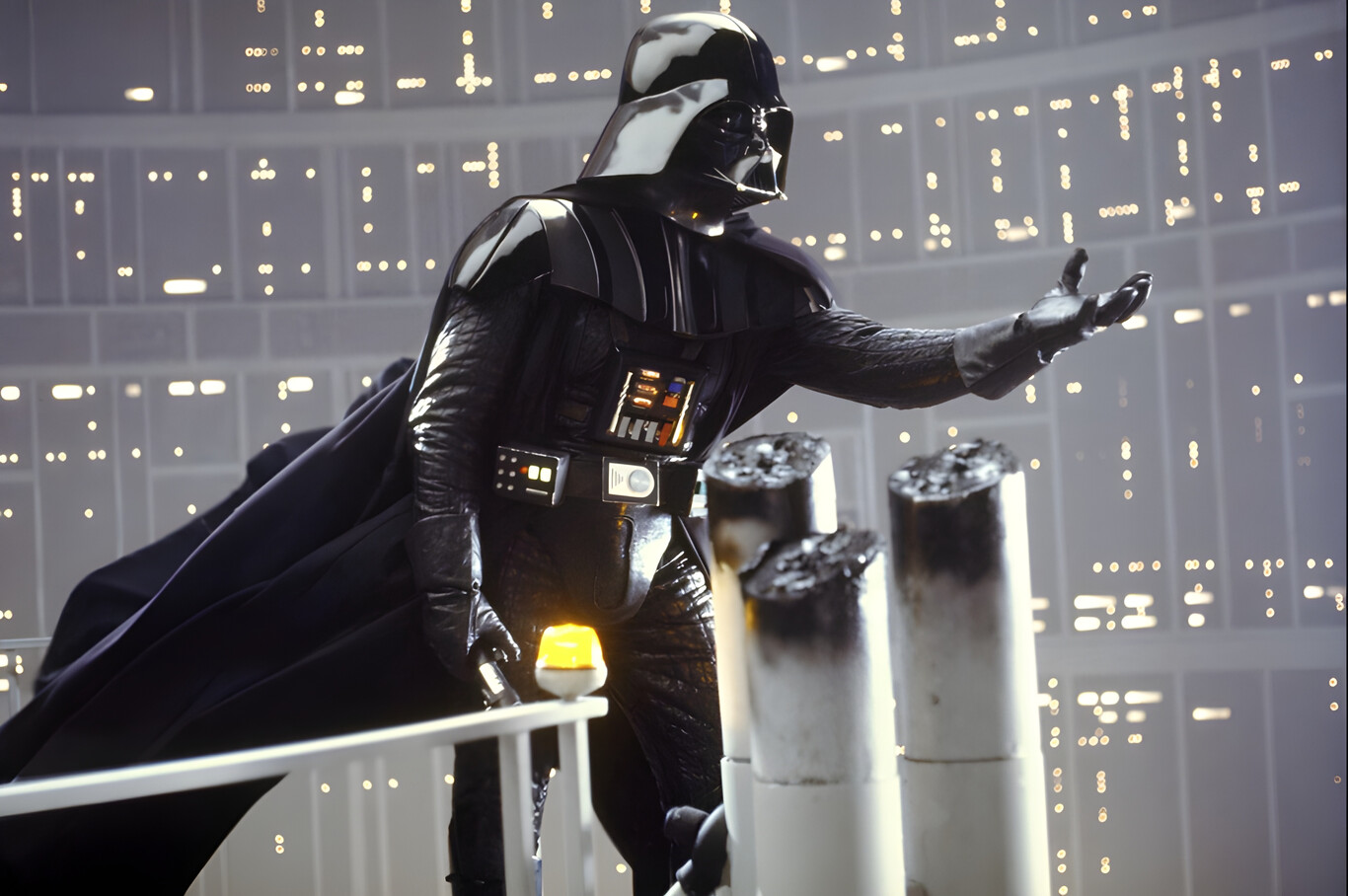
The cinematic landscape of science fiction has been irrevocably shaped by the Star Wars franchise, yet no entry in the saga holds quite the same prestige as the 1980 sequel, Episode V: The Empire Strikes Back. Originally released to a mix of critical curiosity and immense commercial pressure, the film has transcended its blockbuster roots to be recognized as one of the greatest achievements in film history. This status was recently reaffirmed as the film secured the 64th position on the prestigious "Letterboxd Top 500 Films" list. This ranking, derived from the weighted average ratings of millions of cinephiles on the social film platform, places the space opera alongside revered classics of world cinema, confirming its enduring appeal to both casual viewers and dedicated film scholars.
The Evolution of a Cinematic Landmark
When Star Wars (later subtitled A New Hope) debuted in 1977, it revolutionized the industry with its optimistic "Hero’s Journey" and groundbreaking visual effects. However, the task of following such a cultural phenomenon was daunting. George Lucas, the creator of the franchise, opted to take a significant risk by stepping back from the director’s chair, instead entrusting the vision to his former professor, Irvin Kershner. This decision is often cited by film historians as the catalyst for the film’s more mature, sophisticated tone.
Working from a screenplay by Leigh Brackett and Lawrence Kasdan, Kershner focused on character development and emotional depth rather than merely replicating the spectacle of the first film. The narrative picked up three years after the destruction of the Death Star, finding the Rebel Alliance in a precarious position. The Empire’s relentless pursuit led to the iconic Battle of Hoth, a sequence that utilized innovative stop-motion animation and practical miniatures to create a sense of scale rarely seen in 1980.
A Departure from the Heroic Paradigm
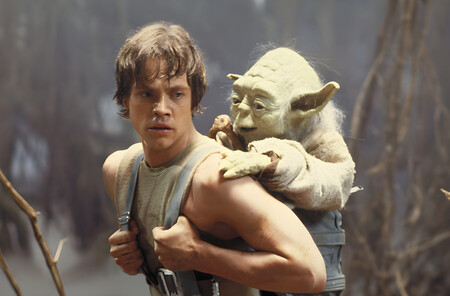
The Empire Strikes Back is frequently analyzed in academic circles for its subversion of traditional sequel tropes. Unlike many contemporary blockbusters that seek to escalate the scale of the original, Episode V narrowed its focus, separating the core cast and placing them in situations of extreme vulnerability. While Han Solo and Princess Leia navigated the perils of an asteroid field and political betrayal in Cloud City, Luke Skywalker embarked on a spiritual and physical journey to the swamp planet of Dagobah.
The introduction of Yoda, a puppet brought to life by the artistry of Frank Oz, represented a milestone in cinematic puppetry and philosophy. The character moved the franchise away from simple "good versus evil" laser battles and toward a more nuanced exploration of "The Force" as a metaphysical concept. This deepening of the lore provided the emotional weight necessary for the film’s climax, which remains one of the most significant moments in the history of popular culture.
Statistical Standing and the Letterboxd Phenomenon
The inclusion of The Empire Strikes Back at number 64 on the Letterboxd Top 500 is a testament to the film’s cross-generational relevance. Letterboxd, a platform primarily populated by a younger, highly engaged demographic of film enthusiasts, often prioritizes artistic merit and narrative complexity over mere nostalgia. For a "blockbuster" sequel to rank within the top 100—competing with the likes of The Godfather, Seven Samurai, and Parasite—indicates that its technical and narrative execution meets the highest standards of the medium.
Statistically, the film maintains an average rating of approximately 4.4 out of 5 stars on the platform. It is currently the highest-rated film in the Star Wars franchise, significantly outpacing both its predecessor and its various sequels and prequels. This data aligns with other major film databases; for instance, the film holds a 95% "Certified Fresh" rating on Rotten Tomatoes and an 8.7/10 on IMDb, where it consistently appears in the top 20 films of all time.
Historical Context and Initial Critical Reception
While it is now viewed as an untouchable classic, the initial reception of The Empire Strikes Back in May 1980 was surprisingly varied. While audiences flocked to theaters—leading to a domestic gross of over $200 million during its initial run—some critics were initially taken aback by the film’s unresolved ending and darker themes.
Vincent Canby of The New York Times famously described the film as "not as much fun" as the original, criticizing what he perceived as a lack of a definitive conclusion. However, other outlets, such as Variety, recognized early on that the film was a more "visually dazzling" and "sophisticated" effort. Over the ensuing four decades, the critical consensus shifted dramatically. The "cliffhanger" ending, which was once a point of contention, is now celebrated as a masterstroke of storytelling that elevated the stakes for the entire genre.
Technological Milestones and the Role of ILM
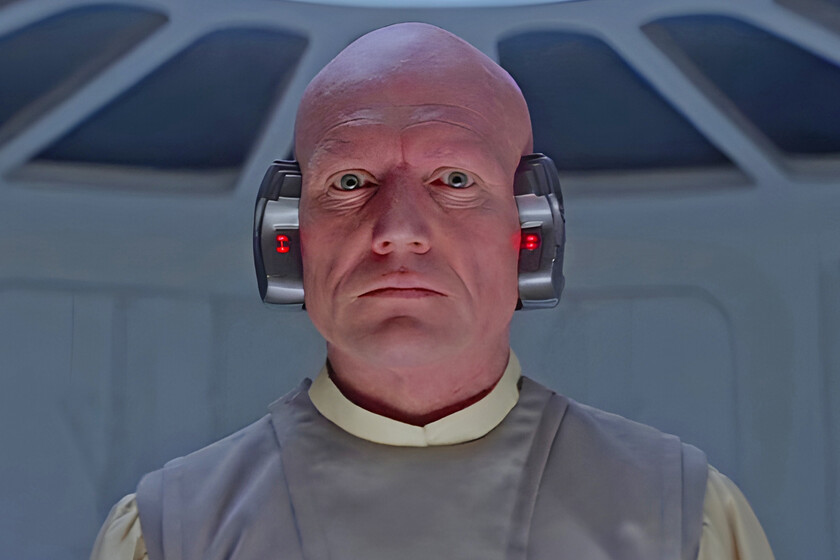
The production of Episode V served as a proving ground for Industrial Light & Magic (ILM), the visual effects house founded by Lucas. The film required the development of new technologies to handle the complex requirements of the Hoth battle and the atmospheric environments of Bespin. The use of matte paintings, intricate models, and the pioneering work in optical compositing set the industry standard for the next twenty years.
The film received the Academy Award for Best Sound and a Special Achievement Award for Visual Effects, acknowledging the technical hurdles the crew overcame. The "Imperial March," composed by John Williams, also debuted in this film. This leitmotif became one of the most recognizable pieces of music in history, providing a sonic identity for the Empire that reinforced the film’s themes of authoritarianism and dread.
The Cultural Impact of the "Father" Revelation
It is impossible to discuss the legacy of The Empire Strikes Back without addressing the revelation of Darth Vader’s true identity. To maintain the secret during filming, the production utilized a "dummy" script page where Vader told Luke that Obi-Wan Kenobi had killed his father. Only a handful of people, including Lucas, Kershner, and actor Mark Hamill, knew the true line: "No, I am your father."
This plot twist redefined the relationship between the protagonist and antagonist, transforming a space fantasy into a multi-generational Greek tragedy. It forced the audience to re-evaluate everything they knew about the previous film and set a precedent for "spoiler culture" that persists in the age of social media. The psychological impact of this revelation is a primary reason why the film continues to resonate; it moved the conflict from the external (war in the stars) to the internal (a struggle for one’s soul).
Broader Implications for Modern Cinema
The success of The Empire Strikes Back established the "dark second chapter" template that has been utilized by countless franchises, from The Dark Knight to Avengers: Infinity War. It proved that audiences were willing to embrace failure and moral ambiguity in their heroes, provided the storytelling was earnest and the stakes were high.
In the current era of streaming, where the Star Wars universe has expanded into numerous television series on Disney+, Episode V remains the North Star for creators. Its balance of practical effects, philosophical depth, and character-driven stakes is often cited by directors like Rian Johnson and Dave Filoni as the gold standard for the franchise.
Conclusion and Accessibility
As The Empire Strikes Back celebrates over 40 years of influence, its entry into the Letterboxd Top 100 serves as a reminder that great art endures beyond its initial commercial cycle. The film managed to expand a universe without diluting its essence, proving that even within the confines of a commercial franchise, there is room for profound artistic expression.
For modern audiences looking to revisit or discover the film, it remains highly accessible. Currently streaming on Disney+ in 4K Ultra HD with Dolby Vision, the film has been meticulously preserved. While various "Special Edition" changes made by George Lucas in subsequent decades remain a point of debate among purists, the core narrative strength and emotional resonance of the 1980 masterpiece remain intact, ensuring its place in the cinematic pantheon for generations to come.


 Jia Lissa
 Raisa Andriana
 Eva Lovia
 Julia Chirkova
 Lana Rhoades