
 Nila Kartika Wati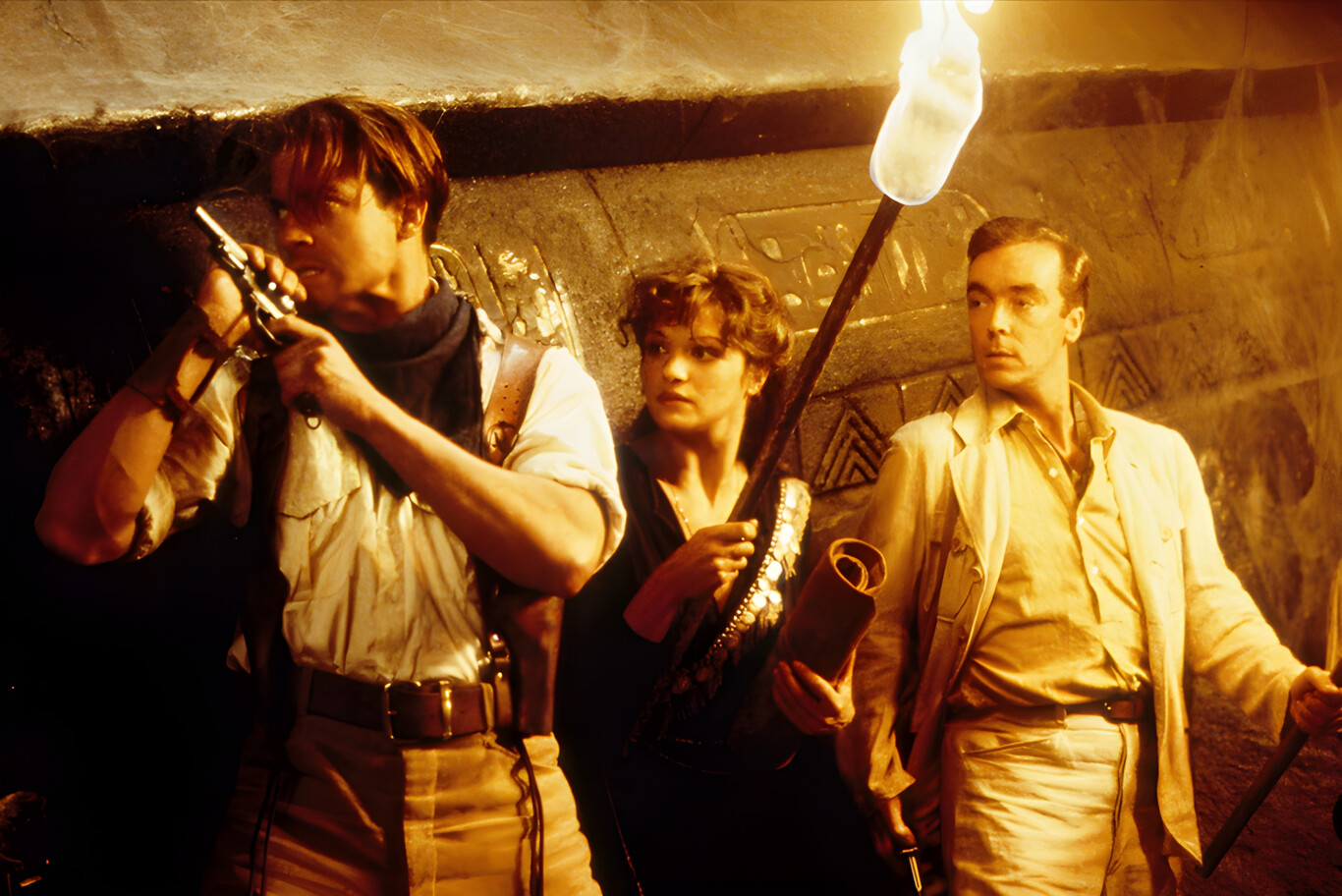
Universal Pictures has officially confirmed the development of a fourth installment in the beloved adventure franchise, The Mummy, marking a significant return to the series’ roots nearly three decades after the original film’s debut. In a move that has ignited widespread excitement across the global film community, the studio announced that both Brendan Fraser and Rachel Weisz are set to reprise their iconic roles as Rick O’Connell and Evelyn Carnahan. This decision signals a strategic pivot for Universal, moving away from previous attempts to reboot the property and instead embracing the "legacy sequel" model that has proven immensely successful for other classic franchises in recent years.
The announcement comes at a pivotal moment in the career of Brendan Fraser, who recently experienced a massive resurgence—often dubbed the "Fraser-aissance"—following his Academy Award-winning performance in The Whale. For years, fans have campaigned for a return to the specific blend of archaeological mystery, romantic chemistry, and supernatural action that defined the 1999 blockbuster. By reuniting the original lead duo, Universal aims to recapture the lightning-in-a-bottle success that made the first film a cornerstone of modern adventure cinema.
The Evolution of a Cinematic Icon: From 1932 to 1999
To understand the weight of this announcement, one must look at the long and storied history of The Mummy within the Universal Monsters pantheon. The character first appeared in 1932, portrayed by Boris Karloff in a film that emphasized atmospheric horror and tragedy. For decades, the Mummy was viewed through the lens of slow-moving, bandage-wrapped terror, a trope that was further solidified by the Hammer Horror films of the 1950s and 60s.
However, in the late 1990s, director Stephen Sommers reimagined the property. Sommers moved away from the traditional horror roots, instead drawing inspiration from the swashbuckling adventures of the 1930s and 40s, as well as the Indiana Jones series. Released in May 1999, The Mummy was a high-stakes gamble for Universal. With a budget of approximately $80 million—a significant sum at the time—the film relied heavily on cutting-edge digital effects provided by Industrial Light & Magic (ILM) to bring the high-priest Imhotep to life in various stages of decomposition and regeneration.
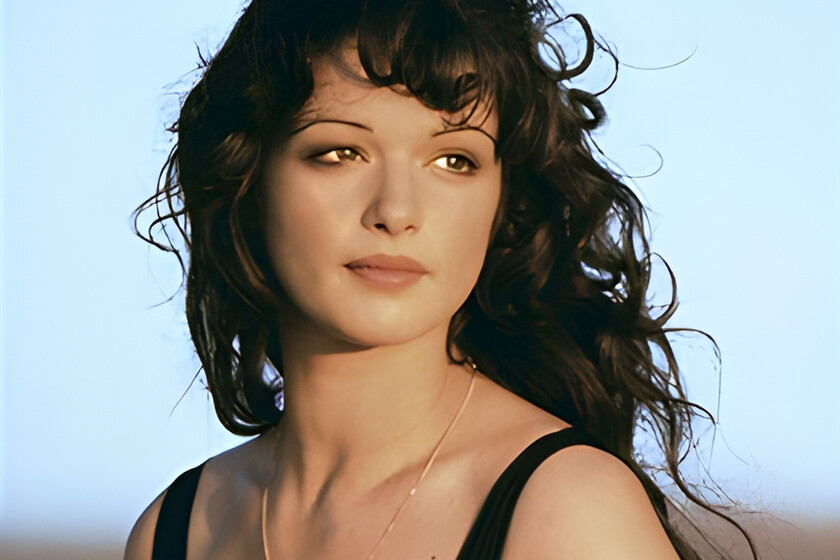
The gamble paid off spectacularly. The 1999 film grossed over $416 million worldwide, becoming one of the highest-grossing films of the year. Its success was attributed not just to the visual spectacle, but to the undeniable chemistry between Fraser’s rugged, slightly clumsy hero and Weisz’s brilliant, ambitious librarian. This character-driven approach allowed the film to transcend its genre, appealing to a broad demographic and securing its place as a cult classic.
A Chronology of the Franchise and the Dark Universe Interruption
The success of the 1999 film led to a direct sequel, The Mummy Returns (2001), which introduced Dwayne "The Rock" Johnson as the Scorpion King. This sequel was an even larger commercial success, grossing $435 million and spawning a spin-off franchise for Johnson. However, the momentum began to shift with the third entry, The Mummy: Tomb of the Dragon Emperor (2008). Directed by Rob Cohen, the film moved the setting from Egypt to China and saw Maria Bello replace Rachel Weisz as Evelyn. While it was financially successful, grossing $405 million, it failed to capture the charm of its predecessors and received a lukewarm critical reception.
In 2017, Universal attempted to launch the "Dark Universe," a shared cinematic world intended to rival the Marvel Cinematic Universe by bringing together classic monsters like Dracula, the Wolfman, and the Invisible Man. The flagship film for this ambitious project was a reboot of The Mummy starring Tom Cruise. Unlike the 1999 version, the 2017 reboot took a much darker, more serious tone and focused heavily on world-building for future sequels.
The 2017 film was a critical and commercial disappointment, earning $410 million against a massive production and marketing budget, but failing to resonate with audiences who missed the humor and heart of the Sommers era. The failure of the Cruise-led reboot led to the immediate collapse of the Dark Universe project, leaving the future of the franchise in limbo for nearly seven years.
Analyzing the Market: The Power of Nostalgia and the Fraser-aissance
The decision to develop The Mummy 4 is a calculated response to current industry trends. Hollywood has seen a surge in the success of "legacy sequels"—films that return to original continuities decades later, often bringing back the original cast to pass the torch or continue their stories. Success stories like Top Gun: Maverick, Ghostbusters: Afterlife, and Jurassic World have demonstrated that audiences have a deep emotional connection to the characters of the 1980s and 90s.

Brendan Fraser’s personal trajectory has also played a crucial role in the greenlighting of this project. After a period of relative absence from major Hollywood productions, Fraser’s return to the spotlight was met with an outpouring of public support. His vulnerability in interviews and his commitment to his craft have made him one of the most beloved figures in the industry today. Universal’s decision to build a new film around him is not just a creative choice, but a strategic move to capitalize on his current bankability and the immense goodwill he carries with the public.
Furthermore, the 1999 film has enjoyed a second life on streaming platforms. During the COVID-19 pandemic, The Mummy became a staple for viewers seeking comfort through "re-watchable" classics. Data from streaming services indicated that the film consistently performed well, particularly with Millennial and Gen Z audiences who appreciated its campy humor and practical-meets-digital aesthetic.
Production Insights and Potential Plot Directions
While specific plot details for The Mummy 4 remain under wraps, industry insiders suggest that the film will likely acknowledge the passage of time. The story is expected to find Rick and Evelyn O’Connell in a different stage of life, perhaps dealing with the consequences of their past adventures or facing a new threat that requires their unique expertise in ancient curses.
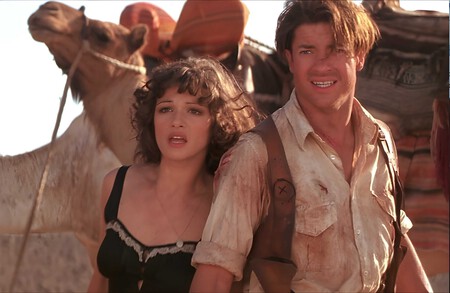
The return of Rachel Weisz is particularly significant. Weisz’s absence from the third film was a point of contention for many fans, and her return ensures that the central romantic and intellectual dynamic of the series remains intact. Reports indicate that the production is looking to strike a balance between practical effects and modern CGI, echoing the philosophy that made the 1999 film so visually distinct.
Universal is also rumored to be in talks with Stephen Sommers to return in a producing or advisory capacity, ensuring that the tone remains consistent with the first two films. The studio is reportedly looking for a director who can honor the "adventure-first" spirit of the original while bringing a fresh perspective to the visual language of the series.
Statements and Reactions from the Industry
While official statements from the actors have been brief, Brendan Fraser has previously expressed his openness to returning to the role. In an interview with Variety earlier this year, Fraser noted, "I don’t think I’ve ever been as famous and as ‘un-famous’ at the same time as I was during those years. I’m not opposed to it. I think it’s a fun role. You have to have the right hook, the right script."
The announcement has also drawn reactions from industry analysts. "Universal is finally listening to the audience," said media analyst Sarah Jenkins. "The 2017 reboot was an attempt to force a franchise into a mold where it didn’t fit. The Mummy isn’t about dark, brooding universes; it’s about the joy of discovery, the thrill of the chase, and the chemistry between its leads. By bringing back Fraser and Weisz, they are acknowledging what made the IP valuable in the first place."
On social media, the news trended globally within hours of the announcement. Fans have expressed a desire to see the return of other supporting characters, such as Oded Fehr’s Ardeth Bay and John Hannah’s Jonathan Carnahan, whose comedic timing provided much of the original film’s levity.
Cultural Impact and Long-term Implications
The cultural impact of the 1999 The Mummy cannot be overstated. It influenced a generation’s perception of Egyptology and archaeology, much like Indiana Jones did in the 1980s. While not historically accurate, the film’s romanticized version of 1920s Egypt created a lasting aesthetic that has been referenced in fashion, video games, and other media.
The development of The Mummy 4 also signifies a broader shift in how studios manage their intellectual property. Rather than constant reboots, there is a growing trend toward honoring the "canon" that audiences already love. This approach minimizes the risk of alienating existing fans while providing a solid foundation for introducing the franchise to new viewers.

As production moves forward, the industry will be watching closely to see if The Mummy 4 can replicate the magic of its predecessors. If successful, it could pave the way for a new era of adventure films that prioritize character and tone over complex interconnected universes. For now, the return to Egypt represents a homecoming for a franchise that, much like its titular monster, refuses to stay buried. With Fraser and Weisz back at the helm, the O’Connells are ready to face the sands of time once again, promising a cinematic experience that bridges the gap between 90s nostalgia and modern blockbuster expectations.


 Jia Lissa
 Raisa Andriana
 Eva Lovia
 Julia Chirkova
 Lana Rhoades