
 Rifan Muazin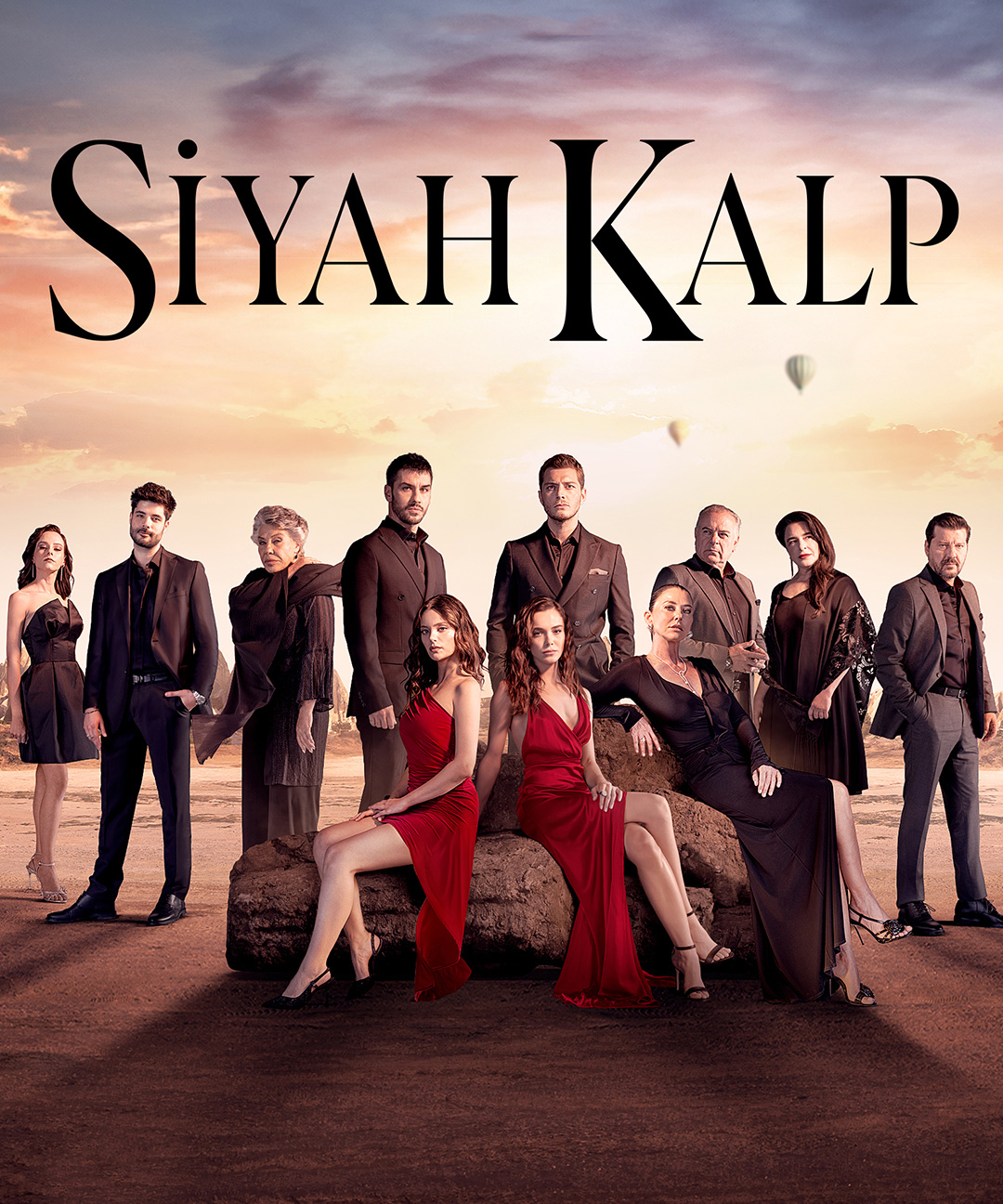
Valley of Hearts, originally titled Siyah Kalp, is a compelling new Turkish drama set to captivate audiences with its intricate narrative of family secrets, abandonment, and the enduring quest for truth and love. Produced by the renowned Tims&B Productions and broadcast on Show TV, the series launched on September 12, 2024, and is slated to run through May 29, 2025, comprising 34 episodes, each ranging from 120 to 150 minutes in length. This extensive broadcast schedule underscores the network’s significant investment and confidence in a story crafted by screenwriter Yildiz Tunc and brought to life by directors Murat Saracoglu and Evren Karabiyik Gunaydin. Filmed against the breathtaking backdrop of Nevsehir, Turkey, particularly the iconic region of Cappadocia, the series promises a visual spectacle complementing its intense emotional depth.
The Genesis of a Heartbreaking Decision: Sumru’s Past
At the core of Valley of Hearts lies the profound and tragic decision made by Sumru, portrayed with nuanced intensity by Ece Uslu, in her youth. Forced by circumstances that she later reveals to be a rape by her fiancé, Sumru makes the agonizing choice to abandon her newborn twins without ever holding them. This act, born out of deep trauma and societal pressure, becomes the foundational secret upon which her future life is built. Seeking to escape her past, Sumru relocates to the picturesque region of Cappadocia with her mother, Nihayet (Isil Yucesoy). There, she enters into a marriage with Samet (Burak Sergen), a powerful and affluent figure within the city’s thriving tourism sector, securing a life of apparent privilege and stability within the grand Sansalan Mansion.
Sumru’s meticulously constructed facade portrays her as a devoted wife to Samet and a caring mother to their two biological children, Esat (Genco Ozak) and Harika (Derin Ince), as well as to her stepson, Cihan (Burak Tozkoparan). She commands admiration and maintains a perfect image, never once hinting at the twins she left behind, not even to her mother. This enforced silence and denial become a central tension, revealing a woman who has buried her past under layers of luxury and fabricated normalcy, unwilling to acknowledge the children who are an undeniable part of her history.
The Unveiling of Truth: Nuh and Melek’s Journey
Meanwhile, the abandoned twins, Nuh (Aras Aydin) and Melek (Hafsanur Sancaktutan), grow up under vastly different circumstances. Raised by their paternal grandmother while their father serves time in prison, their lives are marked by hardship and a gnawing resentment towards the mother who forsook them. This challenging upbringing instills in them a fierce independence and a longing for answers. As their grandmother approaches her final days, she reveals the devastating truth about their mother’s identity, shattering their already fragile world but also providing a crucial piece of the puzzle. Upon her passing, Nuh and Melek, now young adults, embark on a pilgrimage to Cappadocia, driven by a dual desire: to meet Sumru and to claim the place they believe is rightfully theirs within a family that has, until now, remained oblivious to their existence.
Their confrontation with Sumru is as chilling as it is pivotal. When Nuh and Melek finally stand before her and reveal their identity, Sumru’s reaction is one of shocking coldness and absolute denial. Days later, in a clandestine meeting, Sumru attempts to buy their silence, offering money in exchange for their permanent disappearance from her life. Her words, "Giving birth doesn’t make me your mother," echo with a brutal finality, leaving Nuh and Melek stunned and heartbroken. The twins, who had perhaps harbored a desperate hope for remorse or a heartfelt apology, are instead met with unwavering rejection and indifference. Witnessing Sumru’s seemingly idyllic life with her new family and her other biological children deepens their pain and solidifies their resolve for justice.
Intrigue and Alliances Within the Sansalan Mansion
As the drama unfolds, the Sansalan mansion itself becomes a hotbed of intrigue and shifting alliances. Sumru’s widowed sister-in-law, Hikmet (Esra Dermancioglu), arrives with her daughter, Sevilay (Leyla Tanlar). Hikmet and Samet, driven by a shared ambition to safeguard the family wealth, strike a secret deal: to arrange a marriage between Sevilay and Cihan, Sumru’s stepson. This strategic union is intended to consolidate power and ensure the family’s financial future remains within trusted hands, a common motif in Turkish family dramas highlighting societal pressures and dynastic concerns.
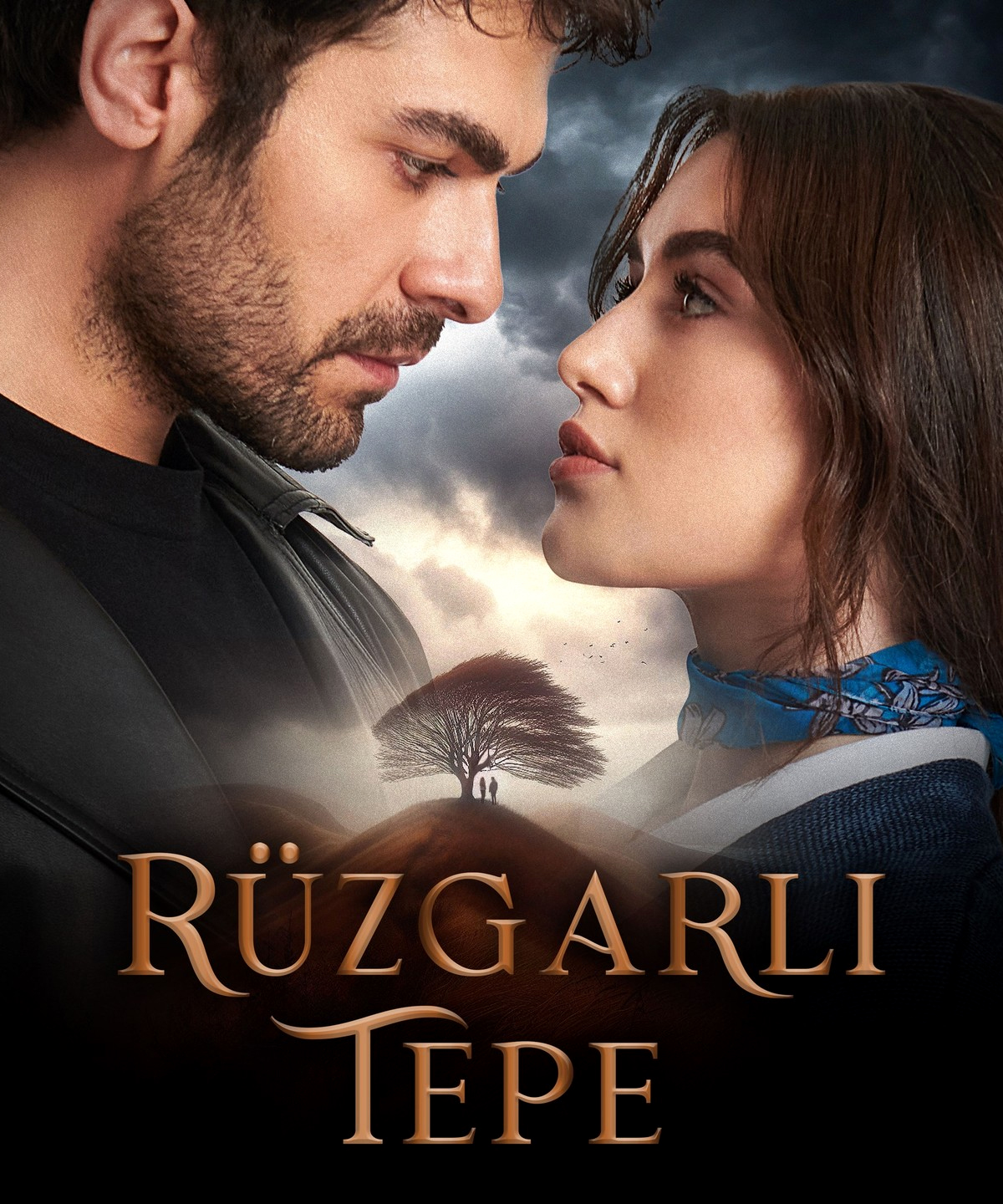
However, life in Cappadocia takes an unexpected turn, defying the carefully laid plans of the elders. Cihan, a kind-hearted and thoughtful individual who often feels like an outsider within his own family, encounters Melek. Their connection is undeniable, sparking a quiet rebellion within Cihan against the preordained path set for him, particularly the impending arranged marriage to his cousin Sevilay. Simultaneously, Sevilay crosses paths with Nuh and finds herself unexpectedly drawn to him, challenging her own preconceived notions of love and duty. These burgeoning, innocent feelings are complicated by the looming arranged marriage between Cihan and Sevilay, setting the stage for a classic love square fraught with loyalty conflicts and forbidden desires.
The Path to Confrontation and Revenge
Determined not to be bought off or silenced, Melek and Nuh choose to remain in Cappadocia, steadfast in their mission to expose the truth to Sumru’s family. Melek secures employment at the Sansalan mansion, allowing her proximity to the family and an opportunity to forge close relationships, particularly with her paternal grandmother (Samet’s mother, inferred). Nuh, meanwhile, encounters Tahsin (Ilker Aksum), a long-standing adversary of the Sansalan family. United by a shared bitterness and desire for vengeance, Nuh and Tahsin begin to plot their revenge, transforming the personal quest of the twins into a broader power struggle against the powerful Sansalan dynasty.
As emotions intensify, the unexpected romantic connections deepen. Melek and Cihan grow closer, their bond strengthening amidst the unfolding drama. Similarly, Nuh and Sevilay find themselves increasingly drawn to each other, despite the societal expectations and the arranged marriage that looms over Sevilay. These young people are thrust into a complex web of love, loyalty, and deeply guarded secrets, forced to navigate their hearts’ desires against the backdrop of familial obligation and a quest for long-delayed justice.
Character Studies: Navigating Complex Motivations
The strength of Valley of Hearts lies in its richly drawn characters, each grappling with their own pasts, desires, and moral dilemmas.
-
Sumru Sansalan (Ece Uslu): Sumru is a formidable woman who has built a luxurious life atop a foundation of denial and buried truths. Her refusal to acknowledge Nuh and Melek, even when they stand before her, stems from the deep-seated trauma of a past rape and the immense societal shame that likely led to her abandonment of the twins. While outwardly a loving wife and mother to her younger children, her coldness towards Nuh and Melek unveils a desperate attempt to protect her carefully constructed reality, hinting at a woman trapped by her own choices and the severe consequences of her past.
-
Cihan Sansalan (Burak Tozkoparan): Samet’s biological son and Sumru’s stepson, Cihan returns to Cappadocia from abroad due to his father’s illness. He has always felt a sense of exclusion within his family, making him an empathetic and somewhat detached observer. Kind-hearted and thoughtful, Cihan is instantly drawn to Melek, sparking a quiet rebellion against the plans others have made for his future, particularly the forced marriage to his cousin Sevilay. His internal conflict between family loyalty and his growing feelings for Melek is a central emotional arc.
-
Melek Cakirca (Hafsanur Sancaktutan): Melek is a resilient, compassionate, and determined young woman, driven by an unwavering need to understand the circumstances of her abandonment. Despite a difficult upbringing, she maintains a sense of grace and dignity, contrasting with the bitterness that could so easily define her. Unlike her brother Nuh, Melek seeks answers and closure more than pure revenge, hoping for a genuine connection with her birth mother. Her developing relationship with Cihan offers her the first taste of hope and belonging in her life.
-
Nuh Cakirca (Aras Aydin): Nuh is a strong-willed and emotionally driven young man, profoundly shaped by abandonment and hardship. Rejected by his mother and raised without a father, he carries a deep sense of betrayal that fuels his desire for revenge. Protective of Melek, Nuh struggles between his moral compass and the anger that has defined much of his existence. He forms a strong bond with Tahsin, considering him an elder brother, and unexpectedly reveals a tender side when he meets Sevilay, showcasing his capacity for love despite his hardened exterior.
-
Sevilay (Leyla Tanlar): Sevilay is initially portrayed as a naive and vulnerable young woman, yet she possesses an underlying determination to forge her own destiny, even as her family attempts to dictate it. Quickly proving to be more than just a privileged socialite, her relationship with Nuh forces her to confront the complex realities of love, class, and personal freedom, challenging the strictures of her upbringing.
The Creative Force and Cinematic Vision
Tims&B Productions, known for its high-quality and globally successful Turkish dramas, brings its considerable expertise to Valley of Hearts. Their reputation for epic storytelling and strong character development positions the series for both domestic and international acclaim. Show TV, as the broadcast network, continues its tradition of presenting compelling family dramas that resonate deeply with Turkish audiences. The choice of Murat Saracoglu and Evren Karabiyik Gunaydin as directors, alongside screenwriter Yildiz Tunc, promises a visually rich and narratively intricate production. Tunc, celebrated for her ability to weave complex human emotions into engaging plots, is expected to deliver a script that explores the psychological dimensions of abandonment, forgiveness, and revenge with depth and sensitivity.
The decision to film in Nevsehir, particularly Cappadocia, is a strategic one. The region’s surreal landscape of fairy chimneys, ancient cave dwellings, and unique rock formations provides a stunning and atmospheric backdrop, adding a layer of visual grandeur and mystique to the narrative. Cappadocia has long been a favored location for Turkish television, its distinctive beauty enhancing the dramatic weight and aesthetic appeal of productions.
Anticipation and Broader Implications
Valley of Hearts is poised to be a significant addition to the pantheon of Turkish dramas, which have gained immense popularity worldwide. The series taps into universal themes of family conflict, the search for identity, and the enduring power of love against adversity. The narrative raises crucial questions: Will Melek and Nuh succeed in exposing the truth and reclaiming their rightful place within a family that rejected them? What deeper reasons, beyond the initial revelation, might Sumru have had for her actions? Can love truly blossom between Melek and Cihan, and Nuh and Sevilay, as their worlds collide with painful truths and societal expectations? The mystery surrounding Hikmet and Samet’s secret plan further adds layers of suspense, promising a season filled with unexpected twists and emotional revelations.
The extensive episode count is typical for Turkish dramas, which often allow for detailed character development and intricate plotlines, engaging audiences over many months. The show’s presence on platforms like IMDb and its active social media channels (Instagram: @siyahkalpdizi, Twitter: @siyahkalpdizi, Facebook: @siyahkalpdizisi, Youtube: @siyahkalpdiziresmi) indicate a robust promotional strategy aimed at fostering a dedicated fanbase and facilitating global reach. Valley of Hearts is not merely a story of revenge but a multifaceted exploration of human resilience, the complexities of motherhood, and the indelible marks left by secrets. As the series progresses, it is expected to generate considerable discussion, both for its compelling plot and its exploration of profound moral and ethical dilemmas inherent in family relationships.


 Raisa Andriana
 Eva Lovia
 Julia Chirkova
 Nila Kartika Wati
 Lana Rhoades
 Jia Lissa