
 Rifan Muazin
The Genesis of Vengeance: Halil’s Traumatic Past
At the heart of Winds of Love lies the deeply scarred protagonist, Halil Firat, portrayed by Gokberk Yildirim. His early life, once filled with innocent joy, was irrevocably shattered by a profound injustice perpetrated by the powerful Aslanli family. Halil’s father, a man of integrity, was falsely accused of theft by the Aslanlis, leading to his wrongful imprisonment and subsequent death. This tragedy inflicted an unbearable blow upon Halil’s mother, whose health rapidly deteriorated, leaving her bedridden and consumed by grief. Halil grew up witnessing his mother’s slow decline, a constant, agonizing reminder of the Aslanlis’ cruelty. Despite the crushing weight of injustice, his mother, in her final moments, implored him to forgo retaliation, a dying wish that would profoundly conflict with his burgeoning desire for retribution.
Upon his mother’s passing, Halil felt liberated from the moral constraint and embarked on a meticulously planned path of revenge. He transformed himself from a grieving son into a formidable and successful businessman, strategically positioning himself to dismantle the Aslanli empire from within. His opportunity arose through a joint investment with Omer Aslanli, the patriarch of the family he blamed for his suffering. When Omer Aslanli failed to meet his financial obligations, accruing a colossal debt, his sudden death left his family exposed, vulnerable, and teetering on the brink of disgrace.

Now wielding immense wealth and power, Halil returns to his hometown with a singular, unyielding objective: to systematically dismantle the Aslanli family. His plan is comprehensive, aiming to strip them of not only their fortune but also their cherished dignity and pride, mirroring the suffering they inflicted upon his own family. He is determined to make them experience the same destitution, loneliness, and desperation that once consumed him, vowing to drive them from their ancestral home and witness their complete downfall.
Zeynep Aslanli: A Princess with a Warrior Spirit
Into this maelstrom of vengeance steps Zeynep Aslanli, brought to life by Cemre Arda. Raised amidst privilege and affluence, Zeynep is depicted as the epitome of grace, intelligence, and unwavering courage. She is the pride of the Aslanli family, held up as an example in their community. However, her life takes a dramatic turn following her father Omer’s death. With her family’s fortunes crumbling, Zeynep bravely assumes the mantle of responsibility, dedicating herself to supporting her emotionally fragile grandmother, Zumrut (Selma Kutlug), and honoring her late father’s final wishes. Her warrior spirit and innate resilience stand in stark contrast to the impending doom threatening her family’s legacy.
The lives of Halil and Zeynep are irrevocably intertwined through a series of dramatic encounters. Their initial collision occurs on a roadside, a moment charged with tension as Zeynep confronts Halil over his reckless driving, entirely unaware of his true identity or his deep-seated animosity towards her family. Halil, struck by her boldness and captivating beauty, finds himself immediately intrigued, a flicker of an emotion he had long suppressed in his pursuit of revenge.
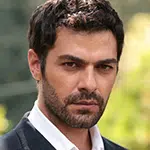
Their paths cross again later that day under more perilous circumstances. Zeynep, distracted by another driver’s reckless behavior, crashes her motorbike and sustains minor injuries. Forced to accept Halil’s assistance, she stubbornly refuses medical attention, insistent on returning home. Halil accompanies her, and a fleeting sense of relief washes over him when he assumes she is merely a ranch worker on the vast Aslanli estate. This relief, however, quickly morphs into profound shock and renewed anger as he discovers that Zeynep is, in fact, a cherished member of the very family he despises and seeks to destroy.
The Public Humiliation and Unraveling of a Family
Meanwhile, the Aslanli family’s financial woes deepen. Zeynep’s mother, Tulay Aslanli (Zeynep Serpil Bozkurt), a proud and status-conscious woman, meets with a lawyer, confronting the stark reality of their overwhelming debt and the imminent threat of losing their home. A deadline is issued to vacate the property, but Tulay, desperate to maintain appearances, decides to keep their dire situation a secret, particularly from her eldest daughter, Selma (Sena Pehlivan), whose engagement to a wealthy family she hopes will salvage their social standing.
Driven by her unwavering commitment to upholding the family’s shattered reputation, Tulay meticulously plans an elegant engagement party, insisting on lavish preparations and exquisite attire. This facade of prosperity is shattered in a moment of public humiliation. Halil attends the engagement party, and despite the undeniable, burgeoning feelings he harbors for Zeynep, he executes his vengeful plan with chilling precision. In front of all the assembled guests, he declares his ownership of the Aslanli ranch, delivering an ultimatum: the family has just one day to vacate their ancestral home.

This public declaration of war unravels the Aslanli family’s carefully constructed world. The engagement is immediately called off, leaving Selma heartbroken and her future uncertain. Zeynep, witnessing the devastating impact of this event, begins to unearth the harsh truths and hidden struggles that have long festered beneath her family’s polished exterior. Her mother and younger sister, Merve (Ilayla Sumak), become consumed by the ruin of their family’s once-impeccable reputation, unable to grasp the depths of their predicament.
Love in the Shadow of Vengeance: A Core Dilemma
Despite the bitter legacy of the past and the painful realities of the present, an undeniable attraction blossoms between Halil and Zeynep. Neither can ignore the powerful connection they share, a magnetic pull that defies their familial animosities. Fate, in its cruel irony, continually throws them together, forcing them to confront not only their burgeoning emotions but also the deeply entrenched histories and secrets that simultaneously bind and divide them.
Winds of Love masterfully explores the complex narrative of love emerging amidst Halil’s relentless pursuit of revenge. As Halil navigates the painful echoes of his past, and Zeynep valiantly attempts to piece together her family’s crumbling honor, an unexpected and powerful love begins to take root. This central dilemma fuels the dramatic tension: Will Zeynep uncover the full truth of Halil’s traumatic past and his vengeful intentions? Can Halil abandon his deeply ingrained quest for retribution for the sake of a love he never anticipated? Will Halil and Zeynep follow their hearts, even as their intertwined pasts threaten to tear them apart? The series promises to delve into whether love can truly survive when it is born out of profound pain, devastating betrayal, and long-held grudges. It asks critical questions about the collision of family loyalty, old wounds, and new feelings, and ultimately, whether the heart can truly forgive what the mind refuses to forget.

The Turkish Drama Phenomenon and Production Insights
The production of "Winds of Love" by Rains Pictures and Unik Film, and its broadcast on Kanal 7, positions it within a thriving ecosystem of Turkish dramas that have achieved immense global popularity. Turkish series, known for their high production values, compelling storytelling, and exploration of universal themes like family, honor, revenge, and passionate love, have garnered massive viewership across the Middle East, North Africa, Latin America, and increasingly, in parts of Europe and Asia. Kanal 7, in particular, has a strong track record of producing and broadcasting daily dramas, often characterized by their extensive episode counts and serialized narratives that keep audiences engaged over long periods.
The decision to produce 217 episodes, each running for two hours, is indicative of the typical Turkish production model for daily serials. This format allows for deep character development and intricate plotlines, often filmed very close to their broadcast dates, which provides flexibility for the production team to gauge audience reactions and adapt storylines. The sheer volume of content also speaks to the dedication required from the extensive team of screenwriters, ensuring narrative consistency and fresh plot developments across hundreds of hours of television. The use of Istanbul as a primary filming location further enhances the series’ visual appeal, leveraging the city’s iconic landmarks and vibrant cultural tapestry to create an immersive viewing experience.
Character Dynamics and Thematic Resonance

The ensemble cast of "Winds of Love" is central to its narrative power. Gokberk Yildirim’s portrayal of Halil Firat is critical; he must convey the internal conflict of a man torn between the darkness of his past and the unexpected light of new love. His journey from a grieving son to a ruthless businessman and then to a man grappling with vulnerability will demand a nuanced performance. Cemre Arda, as Zeynep Aslanli, embodies resilience and moral clarity. Her character serves as a vital counterpoint to Halil’s vengeful agenda, representing the possibility of redemption and the power of principled action in the face of adversity. Her role is to navigate the complexities of her family’s legacy while forging her own path.
The supporting characters further enrich the narrative. Tulay Aslanli, Zeynep’s mother, personifies the aristocratic pride and desperation of a family clinging to appearances. Her actions, though seemingly cold, are rooted in a profound fear of social humiliation and a desperate desire to protect her daughters. Selma Kutlug as Zumrut Aslanli, the family matriarch, could be a source of wisdom, historical context, or even further conflict, depending on how her character develops. The dynamics between Selma and Merve, Zeynep’s sisters, will likely explore different reactions to the family’s downfall, adding layers to the internal struggles of the Aslanli household. Even characters like Asu (Ezgi Dalgic), the jealous servant, introduce elements of internal sabotage and further complications within the already beleaguered Aslanli ranch.
Thematically, "Winds of Love" delves into timeless human struggles. The central conflict between revenge and forgiveness is a powerful narrative engine, exploring the destructive cycle of retribution versus the potential for healing and moving forward. The series also examines the pervasive influence of social class and reputation, particularly through the Aslanli family’s desperate attempts to maintain their facade of wealth and standing. Family loyalty is another key theme, forcing characters to choose between their familial duties and their individual desires or moral convictions. The concept of destiny, particularly in the "fated" encounters between Halil and Zeynep, adds a layer of romanticism and inevitability to their burgeoning relationship. These universal themes are precisely what allow Turkish dramas to transcend cultural boundaries and resonate with diverse audiences worldwide.
Anticipated Reception and Broader Impact

As "Winds of Love" unfolds, it is anticipated to garner significant attention, particularly among fans of Turkish melodrama. The intense emotional stakes, the intricate plot twists, and the compelling character arcs are hallmarks that typically draw in dedicated viewers. The series’ presence on social media platforms like Facebook and YouTube, already established with official pages, will undoubtedly foster active fan communities, allowing for real-time discussions, theories, and reactions to each episode. This engagement is crucial for long-running serials, building a loyal viewership base that contributes to the series’ sustained popularity.
Kanal 7’s strategic decision to commission such a lengthy and emotionally charged series reflects its commitment to delivering high-impact, continuous programming that can capture and retain a daily audience. By tapping into universally appealing narratives of love, loss, and redemption, "Winds of Love" aims to solidify its place as a memorable addition to the rich tapestry of Turkish television dramas. Ultimately, the series challenges its characters, and by extension its audience, to ponder the profound question: Can the transformative power of love truly heal the deepest wounds inflicted by betrayal and vengeance, or is the past an insurmountable barrier to a shared future?


 Raisa Andriana
 Eva Lovia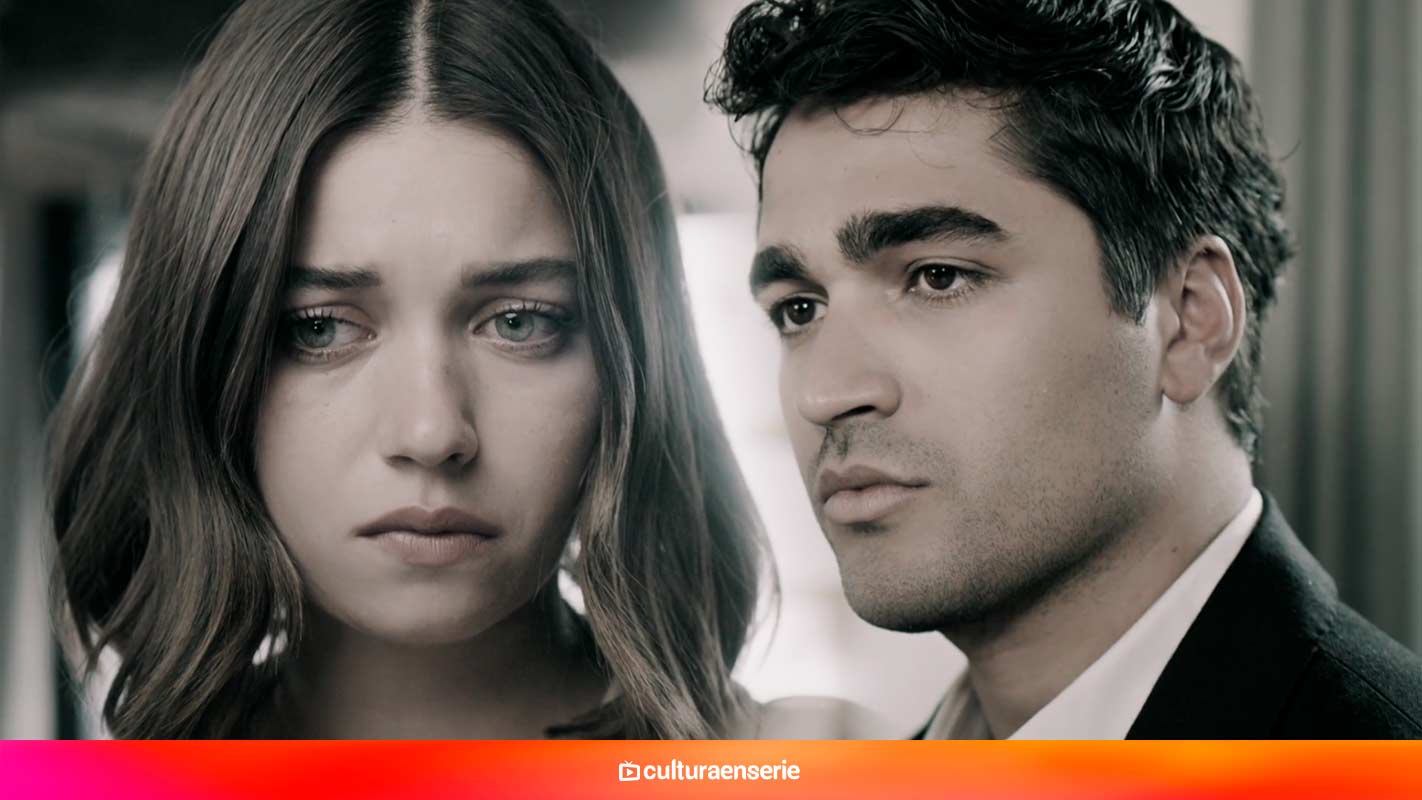
 Julia Chirkova
 Nila Kartika Wati
 Lana Rhoades
 Jia Lissa