
 Raisa Andriana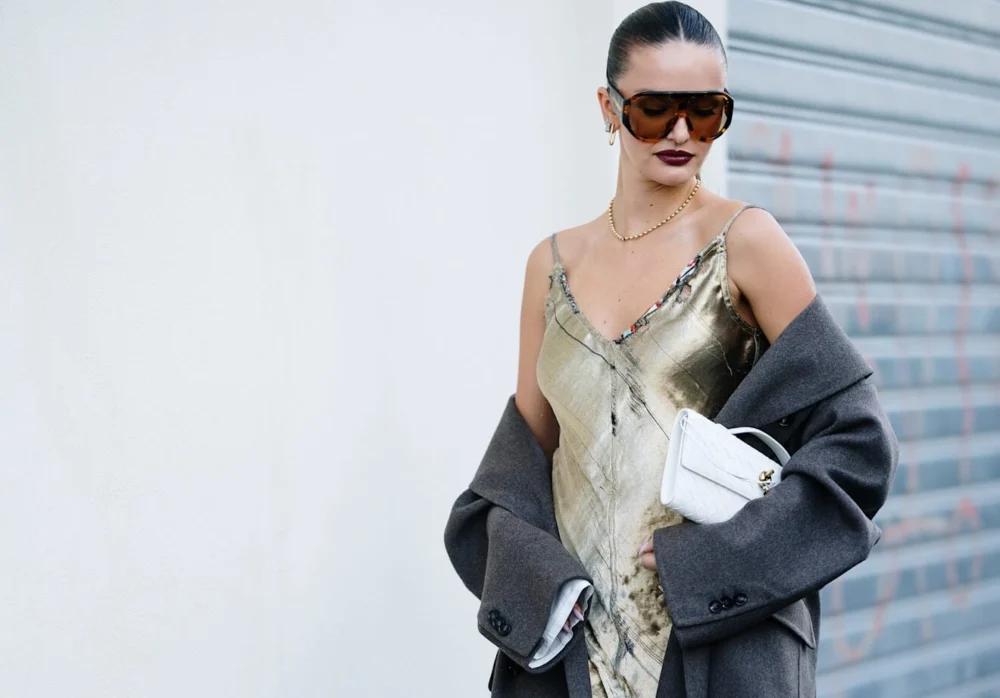
The fashion landscape for the Spring/Summer 2026 season is witnessing a profound return to the minimalist sensibilities of the 1990s, anchored by the resurgence of the slip dress. This iconic garment, characterized by its delicate spaghetti straps, fluid silhouette, and lingerie-inspired aesthetic, has moved beyond its origins as an undergarment to become a cornerstone of contemporary high-street collections. Brands such as Zara, H&M, Mango, and Intimissimi have integrated this silhouette into their latest offerings, responding to a global consumer shift toward "quiet luxury" and versatile, season-less dressing. As the industry prepares for the warmer months, the slip dress stands as a testament to the enduring appeal of clean lines and effortless elegance.
The Historical Trajectory: From Underwear to Icon
To understand the dominance of the slip dress in 2026, one must look back to its pivotal role in the fashion revolution of the 1990s. Originally designed as a functional layer to be worn beneath heavier garments, the slip dress was liberated by designers like Narciso Rodriguez and Calvin Klein, who recognized its potential as a standalone piece. The image of Kate Moss in a sheer metallic slip dress at a 1993 Elite Model Agency party remains one of the most cited moments in modern fashion history, symbolizing a shift away from the excess of the 1980s toward a more stripped-back, authentic aesthetic.

The trend was further solidified by pop culture, most notably through the character of Carrie Bradshaw in Sex and the City. Her "naked dress"—a flesh-toned, ultra-minimalist slip—became a cultural touchstone, proving that the garment could be both provocative and sophisticated. Decades later, the Spring/Summer 2026 runways of Ferragamo, N°21, and Gucci have revisited these archives, refining the slip dress for a new generation. The transition from these luxury runways to the retail floors of Inditex and H&M Group occurred with remarkable speed, reflecting a synchronized industry-wide commitment to the 90s revival.
Market Analysis: Why Minimalism Dominates in 2026
The re-emergence of the slip dress is not merely a nostalgic whim but a calculated response to current economic and social drivers. Market data from late 2025 indicated a 22% increase in consumer searches for "versatile basics" and "90s minimalism." In an era of economic mindfulness, consumers are increasingly prioritizing "investment-style" pieces—garments that can be styled in multiple ways and worn across different social contexts.
Fashion analysts suggest that the slip dress fulfills this requirement perfectly. It functions as a base layer in cooler weather, a professional ensemble when paired with a blazer, and a formal gown when accessorized with high-heeled sandals. Furthermore, the "democratization of luxury" has allowed high-street brands to utilize advanced fabric technologies, such as recycled polyester satins and high-grade viscose, which mimic the drape and luster of silk at a fraction of the cost. This accessibility has ensured that the slip dress remains a top-performing category for mass-market retailers heading into the SS26 season.

Detailed Breakdown of High-Street Offerings
The current market offers six distinct interpretations of the slip dress, each catering to different aesthetic niches within the broader trend. These pieces represent the most significant manifestations of the 2026 style guide.
1. The Minimalist White Slip Dress: Zara’s Bridal-Lite Approach
Zara has positioned its white satin slip dress as a highlight of the season. Featuring a clean neckline and a dramatic open-back detail, this piece taps into the "bridal-lite" trend, where consumers seek affordable yet elegant options for rehearsal dinners, civil ceremonies, or high-summer events. The fluid silhouette aligns with the season’s emphasis on movement. Priced at 79.95 euros, the dress has already seen high sell-through rates, often appearing as "out of stock" on digital platforms, signaling a strong consumer appetite for high-impact minimalism.
2. The Burgundy Lace Asymmetric: Intimissimi’s Sensual Sophistication
Reflecting the season’s obsession with deep, jewel-toned palettes, Intimissimi has introduced a burgundy viscose satin slip dress with intricate lace detailing. Burgundy, typically a winter staple, has transitioned into Spring 2026 as a sophisticated alternative to traditional pastels. The asymmetric hemline provides a modern update to the classic 90s shape. This piece is frequently styled over a basic white T-shirt—a direct nod to the "grunge-lite" aesthetic of the mid-90s—blending intimacy with urban street style.

3. Butter Yellow Lengths: H&M’s Seasonal Color Statement
If one color defines the Spring/Summer 2026 collections, it is "butter yellow." H&M’s long slip dress in this soft, creamy hue offers a departure from the starkness of monochrome palettes. This specific shade has been identified by trend forecasters as a key driver for the "romantic-minimalist" demographic. The length of the garment allows for a transition from daytime beachwear (with flat sandals) to evening formalwear (with gold-toned jewelry). At 29.99 euros, it represents the entry-point price for the trend.
4. Chocolate Brown and Lace: Stradivarius’s Urban Edge
Chocolate brown has replaced black as the preferred neutral for many Gen Z and Millennial consumers in 2026. Stradivarius has utilized this tone in a short, lace-trimmed slip dress that emphasizes a more youthful, urban energy. By pairing this delicate garment with heavy boots and suede jackets, the brand promotes the "Wrong Shoe Theory"—a styling technique that involves pairing contrasting aesthetics to create a more balanced and interesting look.
5. Classic Polka Dots: Mango’s Timeless Print
While solid colors dominate the slip dress trend, Mango has introduced a midi-length version featuring classic polka dots and lace inserts. This piece serves the "classicist" consumer who seeks a print that transcends seasonal fads. Polka dots have seen a resurgence in 2026 as part of a wider interest in "vintage-inspired" patterns that provide a sense of familiarity and heritage in a rapidly changing fashion cycle.

6. Baby Pink Romance: Bershka’s Gen Z Interpretation
The "coquette" and "romantic" aesthetics continue to influence high-street design, as seen in Bershka’s baby pink mini slip dress. With a focus on ruffles and lace, this piece is designed for a younger demographic that values femininity but wants to maintain the edge of the 90s silhouette. It is often marketed as a layering piece, intended to be worn with oversized hoodies or open shirts to create a contrast between the delicate dress and masculine outerwear.
Styling Evolution: The 2026 Methodology
The way the slip dress is worn in 2026 differs significantly from its previous iterations. In the 90s, the look was often singular and minimalist to the point of austerity. In the current season, the focus is on "texture clashing" and "proportional play."
Industry experts highlight the importance of the "outerwear-as-layering" strategy. For the Spring/Summer 2026 season, the slip dress is rarely seen alone in daytime settings. Instead, it is paired with oversized leather blazers, cropped suede jackets, or even worn over trousers—a styling choice that has made a surprising comeback from the early 2000s. The footwear choices are equally diverse, ranging from the resurgence of the classic ballet flat to the continued dominance of the "chunky" loafer, providing a grounded counterpoint to the lightness of the satin.

Sustainability and Material Innovation
A critical aspect of the 2026 trend is the shift toward more responsible production. Many of the featured brands have faced pressure to move away from traditional petroleum-based polyesters. Consequently, the slip dresses of 2026 are increasingly made from "circular" materials.
H&M, for instance, has incorporated textile-to-textile recycled polyester into its slip dress line, while Mango has expanded its use of Lenzing™ Ecovero™ viscose, which is derived from certified renewable wood sources. These material choices are becoming a major selling point for the environmentally conscious consumer, who seeks the "90s look" without the environmental footprint associated with fast-fashion’s past.
Broader Impact and Industry Implications
The dominance of the slip dress in the Spring/Summer 2026 collections of Zara, H&M, and others signifies a broader stabilization of the fashion industry. After years of rapid-fire "micro-trends" driven by social media algorithms, there is a visible return to "foundational dressing."

Retail executives have noted that the slip dress has a lower return rate than more complex, structured garments due to its forgiving fit and adjustable straps. This "fit-versatility" is a significant advantage for e-commerce, reducing logistics costs and environmental impact.
In conclusion, the slip dress is more than a fleeting trend; it is a manifestation of the current cultural moment—a blend of nostalgia, economic pragmatism, and a desire for timeless elegance. As the Spring/Summer 2026 season progresses, these six affordable options from high-street leaders confirm that the minimalist revolution is not only back but has been refined for the modern world. Whether through the lens of Zara’s sophisticated whites or Stradivarius’s urban browns, the slip dress remains the definitive garment of the year, bridging the gap between the runways of Milan and the streets of every major city.



 Eva Lovia
 Julia Chirkova
 Julia Prastini
 Nila Kartika Wati
 Jia Lissa
 admin
admin