
 Rifan Muazin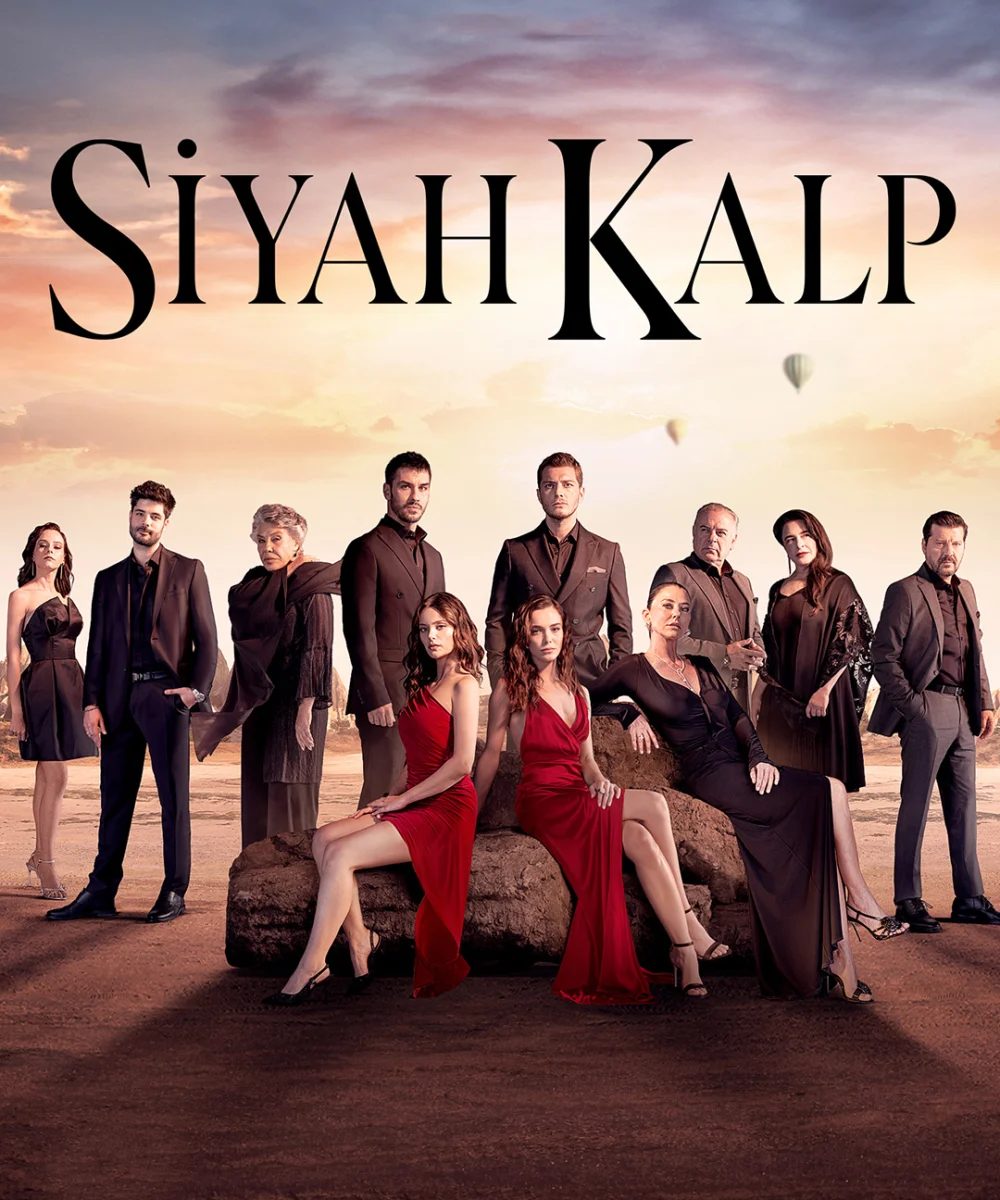
Set against the mesmerizing backdrop of Cappadocia, a new Turkish drama series titled Valley of Hearts, originally known as Siyah Kalp, is poised to captivate audiences with its intricate tale of abandonment, identity, and the relentless pursuit of truth. Produced by the acclaimed Tims&B Productions for Show TV, the series is scheduled to premiere on September 12, 2024, and run through May 29, 2025, offering viewers 34 episodes, each spanning an extensive 120-150 minutes. This substantial commitment underscores the network’s confidence in the show’s potential to dominate the prime-time slot with its compelling family drama and suspenseful narrative.
The series delves into the profound consequences of a mother’s heartbreaking decision made years ago. At the core of Valley of Hearts is Sumru, portrayed by the seasoned actress Ece Uslu, who, at a tender age, made the agonizing choice to abandon her newborn twins without ever holding them. Seeking to erase her painful past, Sumru relocated to the picturesque region of Cappadocia with her mother, Nihayet (Isil Yucesoy), and soon secured a life of apparent privilege by marrying Samet (Burak Sergen), a powerful and affluent figure in the local tourism industry. Her new life in the grand Sansalan Mansion appears idyllic, complete with a loving husband, two biological children – Esat (Genco Ozak) and Harika (Derin Ince) – and the admiration of the community. She even extends her maternal care to her stepson, Cihan (Burak Tozkoparan). However, the unspoken truth of the twins she left behind remains a deeply buried secret, unacknowledged even to her closest kin.
Meanwhile, the abandoned twins, Nuh (Aras Aydin) and Melek (Hafsanur Sancaktutan), have endured a challenging upbringing, raised by their grandmother while their father served time in prison. Their lives have been marked by hardship and a gnawing resentment towards the mother who cast them aside. As their grandmother nears the end of her life, she reveals the shocking truth about their mother’s identity, a revelation that propels Nuh and Melek towards Cappadocia following her passing. Driven by a desire to confront Sumru and reclaim what they believe is rightfully theirs, the siblings embark on a journey that will unravel long-held secrets and ignite a chain of events threatening to dismantle Sumru’s carefully constructed world.
Upon their arrival, the twins’ initial confrontation with Sumru is met with a cold and shocking denial. Sumru vehemently rejects their claims, refusing to acknowledge any connection. Days later, she secretly meets with Nuh and Melek, not to offer solace or an apology, but a sum of money, hoping to buy their silence and ensure their permanent disappearance from her life. Her chilling declaration, "Giving birth doesn’t make me your mother," leaves the twins stunned, cementing their pain and fueling their resolve. Witnessing Sumru’s seemingly perfect life alongside her other biological children only intensifies Nuh and Melek’s anguish, transforming their quest for answers into a pursuit of justice and, for Nuh, revenge.
Concurrently, tensions simmer within the opulent Sansalan Mansion. Hikmet (Esra Dermancioglu), Sumru’s widowed sister-in-law, arrives with her daughter Sevilay (Leyla Tanlar). Hikmet and Samet have forged a clandestine agreement: to orchestrate a marriage between Sevilay and Cihan, Samet’s son. This strategic alliance aims to consolidate the family’s immense wealth and ensure its retention within trusted hands, highlighting the pervasive theme of familial ambition and control over individual destinies.
The narrative takes an unexpected turn as fate intervenes in Cappadocia. Cihan, known for his kind heart and thoughtful nature, encounters Melek, sparking an undeniable connection between them. Similarly, Sevilay finds herself drawn to Nuh after an unexpected meeting. These burgeoning affections are, however, overshadowed by the pre-arranged marriage between Cihan and Sevilay, setting the stage for a poignant conflict between love, loyalty, and the weighty expectations of their families.
Refusing to be bought off or silenced, Melek and Nuh decide to remain in Cappadocia, determined to expose the truth to Sumru’s family. Melek strategically secures employment at the Sansalan Mansion, where she begins to forge a close bond with the family matriarch, gathering intelligence and subtly influencing perceptions. Nuh, driven by a deeper thirst for retribution, aligns himself with Tahsin (Ilker Aksum), a long-standing adversary of the Sansalan family. United by a shared bitterness and a desire for vengeance, Nuh and Tahsin begin to meticulously plot their revenge, promising a dramatic escalation of the conflict. As emotions heighten and alliances shift, the burgeoning relationships between Melek and Cihan, and Nuh and Sevilay, become central to the unfolding drama, forcing these young individuals to navigate a treacherous landscape of love, loyalty, and deeply guarded secrets. The impending arranged marriage for Cihan and Sevilay further complicates these new romantic entanglements, posing questions about whether love can truly conquer the rigid structures of family and tradition.
The Landscape of Turkish Drama: Global Phenomenon and Production Excellence
The launch of Valley of Hearts comes at a time when Turkish dramas have cemented their status as a global entertainment phenomenon. Known for their high production values, compelling storytelling, and intense emotional narratives, these series have garnered immense popularity across the Middle East, North Africa, the Balkans, Latin America, and even parts of Europe and Asia. Themes of forbidden love, family sagas, social class disparities, and revenge plots resonate deeply with international audiences, contributing to a booming export market for Turkish television content. The typical episode length of 120-150 minutes, characteristic of Turkish dramas, allows for extensive character development and intricate plotlines, appealing to viewers who appreciate immersive storytelling.
Tims&B Productions, the force behind Valley of Hearts, is a highly respected name in the Turkish television industry, celebrated for its consistent delivery of high-quality, often epic, dramatic series. The company has an impressive track record with critically acclaimed and commercially successful productions, including historical dramas like Magnificent Century and contemporary sagas that consistently achieve high ratings. Their involvement in Valley of Hearts signals a commitment to a rich narrative and superior production quality, setting high expectations for visual aesthetics and narrative depth. Show TV, one of Turkey’s leading national broadcasters, is strategically placing Valley of Hearts in its prime-time schedule, aiming to strengthen its viewership against fierce competition. The network’s decision to greenlight a 34-episode series of such length reflects a significant investment and belief in the show’s potential to become a flagship program for the upcoming broadcast season.
Captivating Cappadocia: A Thematic Backdrop
The choice of Nevsehir, the province encompassing the unique geological formations of Cappadocia, as a primary filming location is highly significant. Cappadocia’s otherworldly landscape, characterized by its "fairy chimneys," ancient cave dwellings, and historical richness, offers a visually stunning and thematically resonant backdrop for the unfolding drama. The region’s natural beauty and sense of ancient mystery often symbolize hidden depths, buried secrets, and the enduring power of history – elements that mirror the narrative of Valley of Hearts. The contrast between the opulent Sansalan Mansion and the rugged, timeless beauty of Cappadocia itself serves to highlight the characters’ internal conflicts and the clash between their past and present lives. The region is a popular tourist destination, and its prominent feature in the series is likely to draw both domestic and international attention, enhancing the show’s appeal.
The Ensemble Cast: A Blend of Experience and Rising Stars
The casting for Valley of Hearts brings together a compelling mix of established talents and promising young actors, ensuring a strong ensemble performance.
- Ece Uslu as Sumru Sansalan: A veteran actress known for her powerful dramatic performances, Ece Uslu embodies Sumru’s complex duality. Her portrayal will navigate the character’s carefully constructed façade of a loving wife and mother against the traumatic past that led to her abandoning her twins. The revelation of her past rape as the reason for abandoning the twins adds a layer of profound tragedy and moral ambiguity, inviting viewers to grapple with the complexities of her choices rather than simply condemning them. This background transforms Sumru from a villain into a deeply wounded individual, adding significant depth to the narrative.
- Burak Tozkoparan as Cihan Sansalan: Known for his roles in popular youth dramas, Tozkoparan is cast as Cihan, the kind-hearted stepson who feels like an outsider within his own family. His burgeoning feelings for Melek are set to challenge the familial expectations and arranged marriage plots, presenting a sympathetic character caught between loyalty and burgeoning love. Cihan’s internal struggle and eventual rebellion against his father’s plans will be a key emotional anchor for the audience.
- Hafsanur Sancaktutan as Melek Cakirca: A rising star, Sancaktutan takes on the role of Melek, the resilient and compassionate twin. Unlike her brother, Melek seeks understanding and connection more than vengeance, embodying hope amidst hardship. Her evolving relationship with Cihan promises to be a central romantic thread, offering a potential path to healing and belonging.
- Aras Aydin as Nuh Cakirca: Aydin, recognized for his intense and emotionally charged performances, plays Nuh, the strong-willed twin driven by betrayal and a deep desire for revenge. His alliance with Tahsin signifies a darker, more volatile path for the twins’ quest for justice. However, his tenderness towards Sevilay reveals a more nuanced character, balancing his anger with a capacity for love.
- Leyla Tanlar as Sevilay: Tanlar portrays Sevilay, a seemingly naive but ultimately determined young woman who finds herself caught in an arranged marriage plot. Her connection with Nuh challenges her perception of class and destiny, allowing her to assert her independence and defy familial expectations.
- Key Supporting Players: Burak Sergen as Samet, the influential patriarch; Isil Yucesoy as Nihayet, Sumru’s mother; Esra Dermancioglu as Hikmet, the conniving sister-in-law; and Ilker Aksum as Tahsin, Nuh’s vengeful ally – all contribute significantly to the intricate web of relationships and conflicts.
Thematic Resonance and Societal Commentary
Valley of Hearts promises to explore a multitude of profound themes. At its core is the exploration of family secrets and their far-reaching consequences across generations. The series also delves into class struggle, contrasting Sumru’s privileged existence with the challenging lives of Nuh and Melek, highlighting societal inequalities and the arbitrary nature of fate. Identity is another central theme, as the twins grapple with their past and their rightful place in a family that rejected them. The painful journey of abandonment and its emotional scars will be a significant focus, particularly in the twins’ search for answers and closure.
Furthermore, the narrative touches upon love versus loyalty, as Cihan and Sevilay find themselves torn between their hearts’ desires and the expectations of their families. The darker theme of revenge is embodied by Nuh and Tahsin’s alliance, posing questions about the morality and ultimate satisfaction of retribution. The series also subtly comments on women’s agency and the societal pressures that can lead to tragic decisions, especially through Sumru’s backstory of rape and her subsequent choices. The prevalence of arranged marriages in the plot offers a critical look at tradition versus individual freedom in contemporary Turkish society.
Anticipated Impact and Future Outlook
With its compelling storyline, strong cast, and experienced production team, Valley of Hearts is positioned to be a major success for Show TV. Its blend of intense drama, emotional depth, and romantic entanglements aligns perfectly with the tastes of Turkish and international audiences who flock to such narratives. The series is expected to generate significant discussion regarding its complex moral dilemmas, character motivations, and the ultimate fate of its protagonists. Will Melek and Nuh successfully expose the truth and reclaim their rightful place? Will they ever learn the full, agonizing reason behind Sumru’s abandonment? Can love blossom between Melek and Cihan, or Nuh and Sevilay, amidst the painful truths and familial conflicts? And what are the full implications of Hikmet and Samet’s secret plan for the Sansalan family’s future?
These questions, combined with the series’ high production values and powerful performances, are set to make Valley of Hearts a must-watch drama. Its broadcast period, spanning from early fall to late spring, indicates a long-term commitment, allowing the intricate plot to unfold gradually and build suspense. As the series progresses, viewers will undoubtedly be drawn into the emotional maelstrom of the Sansalan and Cakirca families, eager to witness the ultimate resolution of a deeply human story woven into the dramatic tapestry of Cappadocia.
For further engagement and updates, audiences can follow the official social media channels for Siyah Kalp on Instagram, Twitter (X), Facebook, and YouTube, where trailers, behind-the-scenes content, and cast interactions are regularly shared. The series is poised to leave a lasting impression, adding another memorable chapter to the rich legacy of Turkish television dramas.


 Eva Lovia
 Julia Chirkova
 Julia Prastini
 Nila Kartika Wati
 Jia Lissa
 admin
admin