
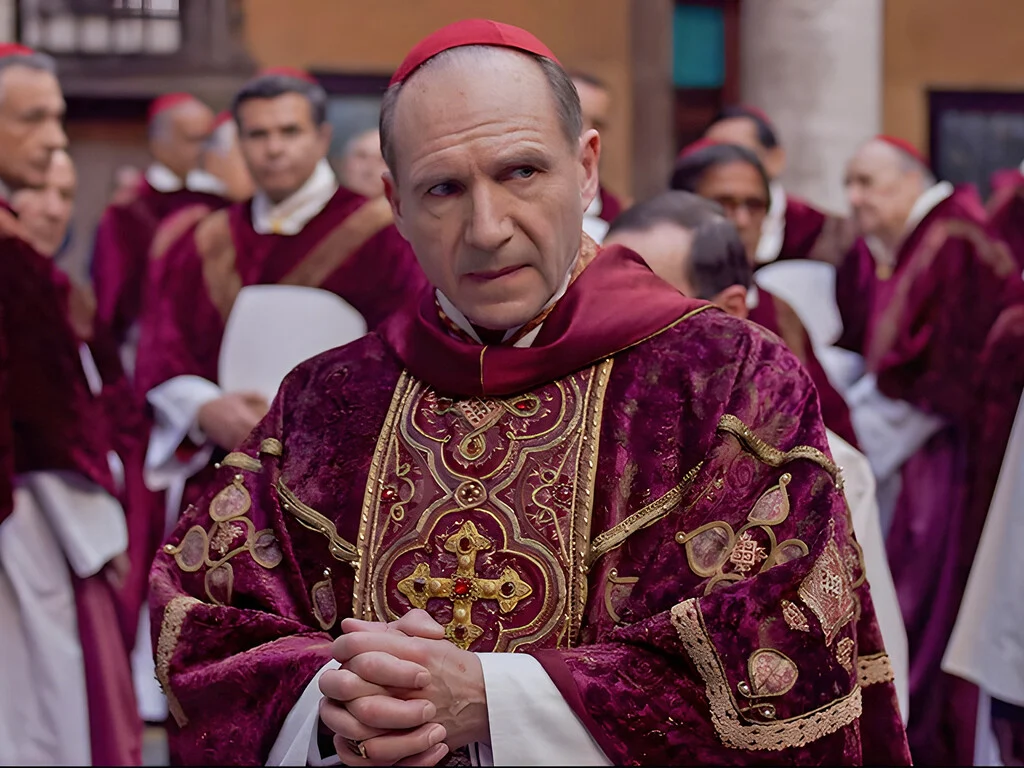
The cinematic landscape of 2024 has been marked by a return to high-stakes, intellectual dramas, and few films have captured the public imagination quite like Conclave. Directed by Edward Berger, the Academy Award-winning filmmaker behind All Quiet on the Western Front, the film has officially transitioned from a successful theatrical run to its streaming debut on HBO Max. This transition provides a broader audience the opportunity to witness a meticulously crafted exploration of the Roman Catholic Church’s most guarded internal process: the election of a new Pope. Adapted from the 2016 best-selling novel by Robert Harris, Conclave operates less as a religious sermon and more as a high-octane political thriller, stripping away the veneer of sanctity to reveal the raw machinery of power, ambition, and human fallibility that exists within the walls of the Vatican.
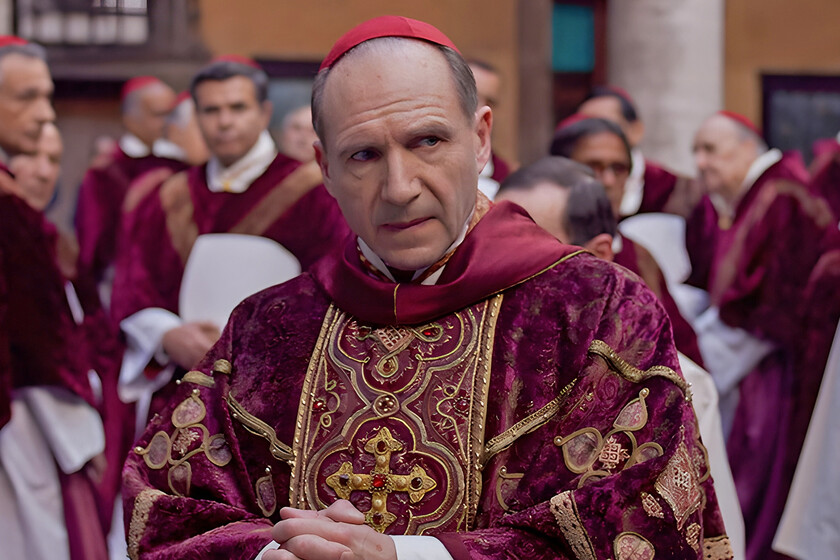
The narrative center of the film is Cardinal Thomas Lawrence, portrayed by Ralph Fiennes in a performance that critics have hailed as a career-defining turn. Lawrence is tasked with the monumental responsibility of overseeing the conclave following the unexpected death of a beloved, progressive Pope. As the Dean of the College of Cardinals, Lawrence is a man grappling with his own "crisis of prayer," yet he must maintain order among 118 cardinals who have descended upon Rome from every corner of the globe. The film’s arrival on streaming platforms comes at a time of heightened interest in institutional transparency, making its themes of ideological conflict and the search for truth particularly resonant in the current global climate.
The Narrative Architecture: A Study in Suspense and Ideology
The plot of Conclave begins with the sudden vacuum of power left by the deceased Pontiff. As the doors of the Sistine Chapel are locked and the phrase "Extra omnes" (everyone else out) is uttered, the film transforms into a locked-room mystery. The cardinals are sequestered from the outside world, their phones confiscated and their windows sealed, creating an atmosphere of claustrophobia that Edward Berger utilizes to heighten the psychological tension. Lawrence soon discovers that the late Pope was not the saintly figure many believed him to be; specifically, he had dismissed a high-ranking official just hours before his death and had secretly appointed a mysterious "Cardinal of Kabul," Benitez, whose existence was unknown to the College.
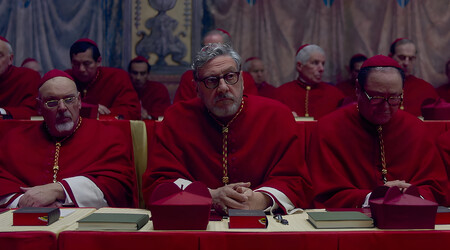
The film meticulously charts the formation of factions within the conclave. On one side is the liberal wing, led by Cardinal Bellini (Stanley Tucci), who wishes to continue the late Pope’s reforms. Opposing him are the traditionalists, represented by Cardinal Tedesco (Sergio Castellitto), who seeks a return to pre-Vatican II rigors, and the ambitious Cardinal Tremblay (John Lithgow), whose desire for the papacy leads him into ethically murky waters. The screenplay by Peter Straughan brilliantly mirrors modern political polarization, using the sacred setting to examine how personal agendas often masquerade as divine will. The inclusion of Isabella Rossellini as Sister Agnes, the silent but observant head of the nuns serving the cardinals, provides a poignant commentary on the marginalized role of women within the Church’s hierarchy.
Production Context and Creative Vision
The journey of Conclave from page to screen was one of deliberate aesthetic choices. Following the visceral, muddy realism of All Quiet on the Western Front, Edward Berger sought a project that was "clean, sharp, and architecturally precise." The production design is a standout feature, recreations of the Sistine Chapel and the Casa Santa Marta (where the cardinals reside during the election) were constructed at Cinecittà Studios in Rome. The film’s visual language, captured by cinematographer Stéphane Fontaine, emphasizes the contrast between the vibrant, blood-red robes of the cardinals and the cold, imposing stone of the Vatican’s corridors.
The auditory experience of the film is equally critical. The score, composed by Volker Bertelmann (Hauschka), eschews traditional liturgical music in favor of a jittery, string-heavy soundtrack that pulses with the anxiety of the characters. This choice reinforces the film’s identity as a thriller. According to production notes, Berger wanted the audience to feel the "heartbeat of the institution," suggesting that while the rituals are ancient, the stakes are immediate and precarious.
Chronology of Development and Release
The timeline of Conclave reflects the strategic pacing of a prestige awards contender. Robert Harris’s novel was optioned shortly after its publication, but the project gained significant momentum when Berger signed on to direct in 2022.
- September 2023: Principal photography concluded in Rome.
- August 2024: The film made its world premiere at the Telluride Film Festival, receiving immediate critical acclaim for Fiennes’ lead performance.
- September 2024: It was featured at the Toronto International Film Festival (TIFF), further cementing its status as a frontrunner for the 2025 awards season.
- October 2024: Theatrical release in North America, where it outperformed box office expectations for an adult-oriented drama, grossing over $30 million domestically.
- Early 2025: Arrival on HBO Max, allowing for a digital "second life" as the film enters the peak of the Academy Awards voting cycle.
Historical Context: The Real Conclave vs. Cinematic Drama
While Conclave is a work of fiction, it draws heavily from the established protocols of the Roman Catholic Church, primarily governed by the Apostolic Constitution Universi Dominici Gregis. In reality, a conclave is a process of intense prayer and rigorous bureaucracy. The film accurately portrays the use of paper ballots, the sewing of the votes with needle and thread, and the use of chemical additives to produce the famous white or black smoke from the chimney of the Sistine Chapel.
However, historians and Vatican observers have noted that the film takes necessary dramatic liberties. In a real-world scenario, the discovery of secrets as explosive as those depicted in the film would likely lead to a much more protracted and agonizingly slow deliberation. The film’s "whodunnit" pacing and the introduction of the Cardinal of Kabul are narrative devices intended to challenge the audience’s perceptions of meritocracy and divine providence. By placing a fictional narrative within a factual framework, Berger creates a "hyper-real" environment that feels authentic even as it pushes the boundaries of possibility.
Critical Reception and Industry Impact
The response to Conclave has been overwhelmingly positive, with a 92% approval rating on Rotten Tomatoes at the time of its streaming debut. Critics have praised the film for being an "intellectual blockbuster" that respects the intelligence of its audience. The New York Times described it as a "deliciously tense exercise in power dynamics," while Variety noted that it "turns the selection of a religious leader into a game of chess played in a cathedral."
Industry analysts point to Conclave as a successful example of the "mid-budget prestige drama," a genre that has struggled in theaters in the post-pandemic era. Its success suggests that there remains a significant appetite for narrative-driven, non-franchise cinema. For HBO Max, the acquisition of such a title is a strategic move to bolster its library of high-quality, adult-oriented content, appealing to subscribers who value cinematic craftsmanship over spectacle.
Statements from the Cast and Director
In various press conferences during the film’s promotional tour, the cast reflected on the weight of the subject matter. Ralph Fiennes noted that his character, Lawrence, represents the struggle of every person who tries to act with integrity in a flawed system. "He is a man who wants to believe in the purity of the process, but he is forced to confront the reality that the process is managed by men," Fiennes stated at the London Film Festival.
Stanley Tucci echoed these sentiments, highlighting the relevance of the film’s ideological battles. "The conflict between the desire to move forward and the fear of losing the past is something we see in every government and every organization today," Tucci remarked. Director Edward Berger emphasized that his goal was not to critique the Church specifically, but to use it as a microcosm for any large, secretive institution facing a moment of transition.
Broader Implications and Thematic Legacy
The release of Conclave on HBO Max ensures that its provocative ending—a twist that has sparked significant debate among viewers—will continue to be a topic of conversation. The film’s conclusion challenges traditional views on gender and identity within the Church, forcing a reconsideration of what "progress" looks like in an institution that measures time in centuries.
Beyond its religious setting, Conclave serves as a meditation on the nature of leadership. It asks whether the best person for a position of power is the one who seeks it most fervently, or the one who accepts it with the most hesitation. As the film reaches a global streaming audience, it stands as a testament to the power of structured, dialogue-heavy storytelling. It proves that even in an age of digital distraction, there is a profound fascination with what happens behind closed doors, especially when those doors are sealed with the weight of history and the promise of the divine. Through its blend of factual ritual and fictional intrigue, Conclave remains one of the most compelling cinematic offerings of the year, providing a sophisticated look at the intersection of faith, politics, and the enduring human quest for truth.

0 Comments