
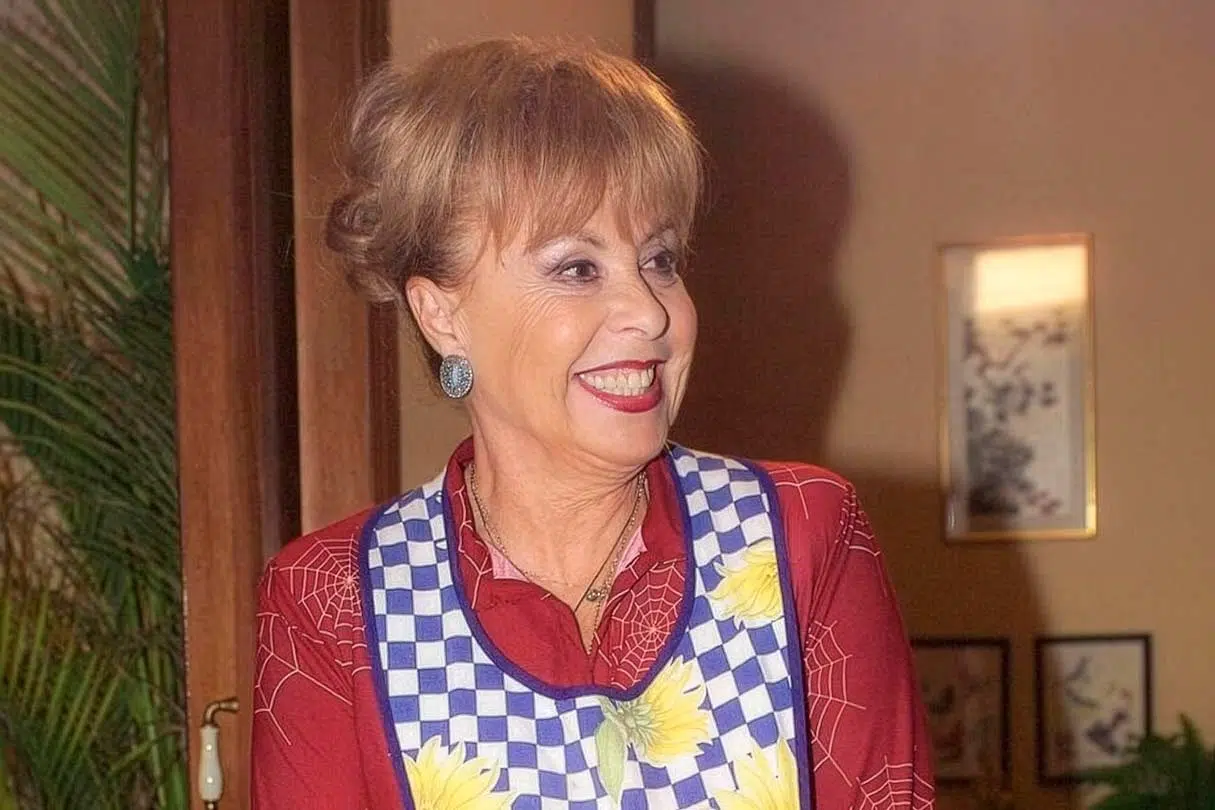
The recent passing of Gemma Cuervo at the age of 91 has sent ripples of profound sadness and widespread admiration across Spain and beyond. Tributes have flooded social media platforms, with colleagues from the professional sphere and countless devoted viewers alike honoring one of the most cherished and influential actresses of Spanish theater, cinema, and television. Cuervo’s remarkable career, spanning over six decades, cemented her status as a fundamental pillar of Spanish culture, resonating deeply with multiple generations of audiences who were captivated by her talent and charisma.
In the hours and days following the news of her death, social media became a digital memorial, awash with heartfelt messages of farewell, cherished memories, and iconic performances that underscore the immense artistic legacy she leaves behind. Actors, directors, and fellow professionals have come forward to commemorate an interpreter who, for decades, served as an absolute benchmark in the performing arts. Beyond her professional achievements, many tributes highlight her approachable demeanor, her sharp wit, and the profound humanity she brought to every role. This collective outpouring of grief and remembrance serves as a poignant testament to how deeply Gemma Cuervo was woven into the emotional fabric of the Spanish public consciousness.
A Life Devoted to the Stage: The Enduring Passion for Theater
While a significant portion of the wider public may primarily associate Gemma Cuervo with her memorable television roles, it was the theater that consistently remained at the core of her artistic identity. Her theatrical journey commenced in 1956 at the Teatro Español Universitario in Barcelona, where she debuted in Federico García Lorca’s seminal play, "Amor de don Perlimplín con Belisa en su jardín." This marked the beginning of an illustrious theatrical career that saw her participate in over a hundred stage productions, bringing to life complex characters from the works of literary giants such as Shakespeare, Camus, Sartre, and Buero Vallejo.
For decades, Cuervo graced stages across Spain and internationally, steadily solidifying her reputation as one of the undisputed grandes dames of the Spanish stage. Her exceptional ability to navigate intricate dramatic texts and her commanding stage presence earned her widespread respect from both critics and audiences. Her unwavering commitment to the theatrical arts was recognized through numerous accolades and distinctions throughout her career. These included the prestigious Premio Max de Honor, a testament to her lifetime of dedication to performance, and the Medalla de Oro al Mérito en las Bellas Artes, acknowledging her significant contributions to the fine arts. These honors reflect a career not merely of longevity, but of consistent excellence and profound impact.
From "Estudio 1" to "Aquí no hay quien viva": Illuminating the Television Landscape
If theater was her sanctuary, television was the medium through which Gemma Cuervo became an unforgettable presence for the broader public. Her initial forays into television in the 1960s, particularly her appearances in programs like "Estudio 1," a long-running anthology series that brought classic plays to the small screen, showcased her versatility. Throughout the ensuing decades, she contributed to a variety of series and television productions that defined different eras of Spanish fiction.
Among her notable television credits are her roles in "Médico de familia," where she portrayed the character of Consuelo, and her significant guest appearances in "Cuéntame cómo pasó," a beloved historical drama. However, it was her portrayal of Vicenta Benito in the wildly popular sitcom "Aquí no hay quien viva" that cemented her status as a television icon. In this groundbreaking Antena 3 series, Cuervo formed an unforgettable comedic trio alongside Emma Penella and Mariví Bilbao. Their characters, three formidable neighbors, became one of the show’s comedic cornerstones, a dynamic that resonated deeply with audiences.
The palpable chemistry between these three actresses left an indelible mark on a generation of viewers and continues to generate viral moments on social media platforms to this day. Following the conclusion of "Aquí no hay quien viva," the trio reunited for "La que se avecina," a spiritual successor to the original series. However, the subsequent passing of Emma Penella and later Mariví Bilbao tragically brought an end to that iconic on-screen partnership, a collaboration that gifted Spanish television with so many cherished memories. The enduring popularity of these characters underscores Cuervo’s remarkable ability to connect with audiences through humor and relatable portrayals, even in the context of a fictionalized, often chaotic, community.
A Legacy Entwined with a Dynasty of Actors: Shaping Spanish Cinema’s History
Gemma Cuervo’s artistic trajectory is also intrinsically linked to one of Spain’s most prominent and enduring families of actors. She was married to the esteemed actor Fernando Guillén, with whom she not only shared her life but also a professional partnership that included co-founding a theater company and collaborating on artistic projects for decades. This union produced three children, two of whom have followed in their parents’ footsteps to become well-recognized figures in film, theater, and television: Fernando Guillén Cuervo and Cayetana Guillén Cuervo.
Together, they represent one of the most influential families in the Spanish artistic landscape, a veritable dynasty of performers who have significantly shaped multiple generations of the country’s audiovisual culture. The enduring presence and success of the Guillén-Cuervo family are a testament to a shared passion for the performing arts, passed down through generations and continually enriching Spain’s cultural output. Their collective contributions highlight a deep-seated commitment to the craft of acting and storytelling, a dedication that has become synonymous with their family name.
Echoes in the Digital Sphere: Vicenta Benito’s Lasting Impact
Since the announcement of her death, Gemma Cuervo’s name has been a constant presence on social media. Clips from "Aquí no hay quien viva," vintage interviews, and memorable moments from her stage performances have resurfaced in countless posts. Many actors and actresses have publicly paid tribute to her, reminiscing about her immense talent, her generosity, and the profound impact she had on those fortunate enough to work alongside her.
On platforms like X (formerly Twitter), Instagram, and TikTok, scenes featuring her character Vicenta from "Aquí no hay quien viva" have achieved particular viral status, once again moving fans of the series and highlighting the immense cultural footprint of that character. This phenomenon demonstrates that, beyond awards and career longevity, Gemma Cuervo achieved something far more profound: a lasting place in the affection and memory of the public. Her ability to create characters that transcend the screen and become part of the collective imagination is a rare and valuable gift.
An Actress Who Will Live On in the Public’s Memory
With a career that boasts over a hundred theater productions, dozens of television series, and more than sixty films, Gemma Cuervo leaves behind a body of work that is integral to the cultural history of Spain. Her unparalleled ability to evoke emotion on stage, her captivating charisma on the small screen, and her unwavering dedication to the acting profession firmly establish her as one of the most significant figures in Spanish performance of the last century.
As colleagues and audiences continue to recall her roles and share unforgettable scenes, it becomes abundantly clear that Gemma Cuervo’s legacy is not solely measured in awards or years of service, but in the enduring place she occupies in the collective memory of the public. For there are actors who portray characters, and then there are those who become indelible parts of history. Gemma Cuervo, undoubtedly, belonged to the latter, her spirit and artistry forever etched in the annals of Spanish culture.

0 Comments