
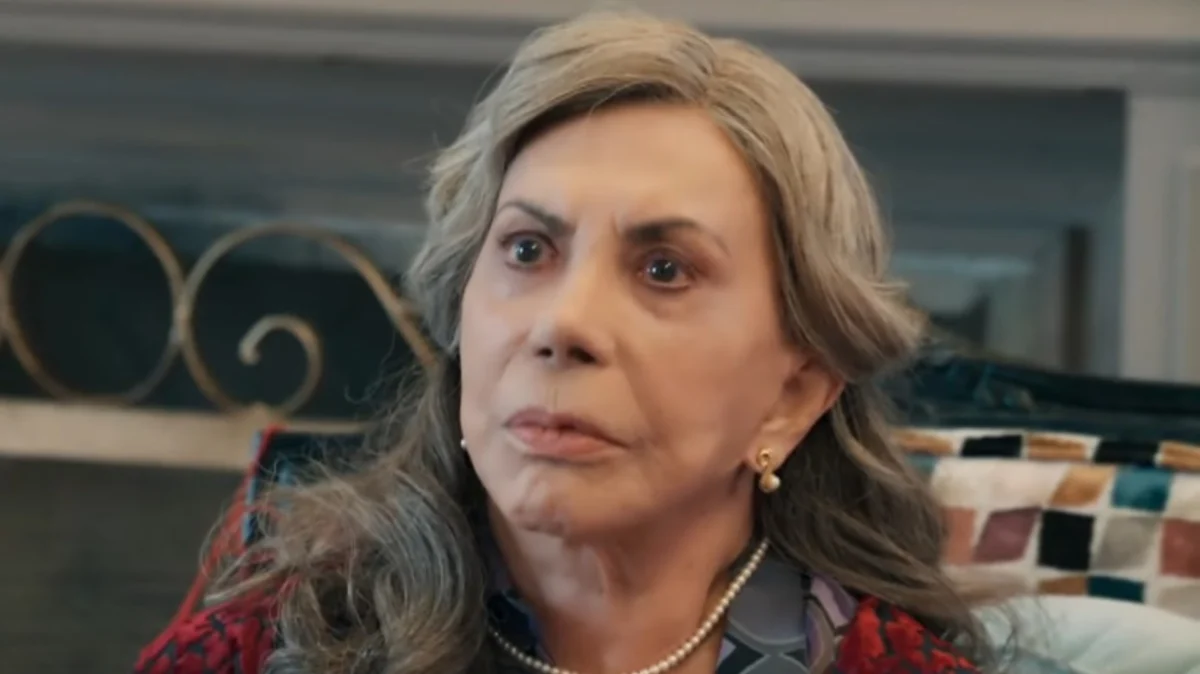
The latest episode of Três Graças, airing Friday, May 17th, plunged its dedicated audience deeper into a labyrinth of deceit, danger, and dramatic personal choices, escalating the tension between its central figures and setting the stage for potentially seismic shifts in the overarching narrative. Viewers witnessed a complex tapestry of events unfold, ranging from clandestine meetings and urgent warnings to medical malpractice and a perilous entrapment, all contributing to the show’s signature blend of mystery and high-stakes drama.
Escalating Threats and Crucial Revelations
At the heart of the episode’s escalating conflict lies Raul’s urgent attempt to establish contact with Joélly. Driven by a pressing need to disclose critical information concerning the enigmatic figure of Bagdá, Raul initiates a meeting, signaling that the revelations could carry significant weight and potentially expose deeper layers of secrets and threats surrounding the characters. This planned encounter underscores the pervasive sense of danger that has become a hallmark of the series, where allegiances are constantly tested and hidden agendas lurk beneath the surface. The nature of Bagdá’s involvement remains shrouded in mystery, yet the mere mention of the name appears to trigger a cascade of protective instincts and strategic maneuvers among the show’s protagonists.
In a parallel development highlighting the immediate peril faced by Joélly, Kellen steps in with a grave warning. She strongly advises Joélly against proceeding to the viewpoint, a location often depicted in the series as a place of both beauty and vulnerability, and instead urges her to seek refuge within the sanctuary of the local church. This intervention by Kellen suggests a pre-existing knowledge of imminent danger, possibly stemming from intelligence gathered or an intuitive understanding of the threats posed by Bagdá or other shadowy forces at play. The counsel to seek shelter in the church, a traditional symbol of safety and spiritual protection, amplifies the gravity of the situation, implying that the dangers are not merely physical but could also touch upon moral or spiritual dimensions.
The Mystery of the Open Window and the Valued Sculpture
A pivotal scene unfolds involving Arminda, whose keen observation skills lead her to discover an anomaly that sparks immediate alarm. She notices that a window in the room housing the revered Três Graças sculpture has been left ajar. This seemingly minor detail immediately triggers suspicion of an intrusion, given the sculpture’s significant value and symbolic importance within the narrative. The Três Graças sculpture, an artistic centerpiece of the series, is not merely an object of aesthetic beauty but often serves as a focal point for hidden truths, ancestral legacies, and potential conflicts over inheritance or power.
Arminda promptly alerts Ferette, initiating a tense inspection of the premises. Despite the initial shock and the palpable fear of a robbery, their subsequent investigation reveals that, ostensibly, nothing appears to have been taken. This outcome, rather than alleviating concern, only serves to deepen the mystery, raising more questions than answers. Was the open window a mere oversight? Was it a warning? Or was it a deliberate act by someone seeking to gain access or merely survey the contents of the room without immediately making off with anything tangible? The unresolved nature of this incident lays the groundwork for future revelations, hinting at a more complex game of cat and mouse at play.
Joaquim’s Elusive Past and Personal Assertions
Another character grappling with personal identity and external pressures is Joaquim. During a confrontational exchange with Misael, Joaquim steadfastly reiterates his assertion of having no familial ties. This unwavering denial, despite Misael’s persistent questioning and pressure, casts a long shadow over Joaquim’s past, fueling speculation about his true origins and potential hidden history. Joaquim’s character has been portrayed with a certain enigmatic quality, often hinting at a background that is either deliberately obscured or genuinely unknown to him. His resolute stance raises critical questions: Is he an orphan who genuinely believes he has no family, or is he consciously concealing a lineage that could have significant implications for himself and others within the intricate web of relationships in Três Graças? This storyline taps into universal themes of identity, belonging, and the lengths to which individuals might go to protect or conceal their truths.
Navigating Personal Choices Amidst Unseen Dangers
The narrative thread concerning Raul and Joélly continues to intertwine, showcasing their complex and evolving relationship. Raul, increasingly vulnerable due to the mounting threats and perilous situations they both confront, consistently seeks solace and support from Joélly. His reliance on her underscores a deep level of trust, or perhaps a desperation born from the isolation that comes with navigating a world fraught with danger. Joélly, for her part, maintains an unyielding stance regarding her pregnancy. Her determination in this personal choice, even in the face of widespread chaos and personal risk, highlights her strength of character and her commitment to her own decisions. This subplot not only explores themes of partnership and mutual support but also delves into the challenges of asserting personal autonomy amidst external pressures and life-threatening circumstances.
A Disturbing Act of Deception: The Falsified Medicine
A particularly alarming development within the episode involves Ferette and Arminda, who engage in a deeply unethical and potentially dangerous act: administering falsified medicine to Josefa. The motivations behind this disturbing decision are not fully elucidated in the episode, but the implications are profound. Is Josefa suffering from an illness that they are attempting to "treat" through nefarious means? Are they seeking to incapacitate her, control her, or perhaps even worse? This act adds a layer of dark intrigue and moral ambiguity to their characters, previously seen as primarily concerned with the sculpture. The use of fake medication introduces significant health risks for Josefa and legal repercussions for Ferette and Arminda, exponentially raising the stakes and adding a chilling element of betrayal and calculated cruelty to the unfolding drama.
Unraveling Information Networks and Opportunism
The episode also sheds light on the clandestine flow of information and the opportunistic maneuvers of certain characters. Josefa expresses growing suspicion regarding Macedo’s unusually detailed knowledge of the relationship between Paulinho and Gerluce. Her unease stems from the realization that Macedo seems privy to intimate details that should not be readily accessible, prompting questions about his sources and his broader agenda. Is Macedo a manipulator, an information broker, or simply an exceptionally astute observer? His apparent omniscience in matters of personal relationships suggests a sophisticated network or a keen ability to exploit vulnerabilities.
Capitalizing on this environment of suspicion and information asymmetry, Célio emerges as a figure of opportunism. He attempts to leverage the situation, specifically the alleged "invasion" of the sculpture room, to his advantage. Célio approaches Macedo, offering to exchange information related to this incident in return for an employment opportunity. This transaction highlights the transactional nature of relationships within the series, where loyalty is often secondary to personal gain and information is a valuable commodity. Célio’s willingness to exploit a potentially serious crime for personal advancement further underscores the moral compromises many characters are willing to make.
Gerluce’s Desperate Gamble and Perilous Predicament
The episode culminates in a high-stakes, dramatic cliffhanger involving Gerluce. Driven by what appears to be a desperate need for money, Gerluce makes a perilous decision to enter the very room housing the Três Graças sculpture. Her intention is to retrieve cash, but her plan goes awry, and she finds herself trapped within the confines of the room. This predicament promises significant immediate consequences, not only for Gerluce herself, who is now in a potentially dangerous situation, but also for the wider plot involving the sculpture and the mystery surrounding the earlier "invasion." Her entrapment could inadvertently expose the secrets of the room, shed light on the true nature of the sculpture’s importance, or even implicate her in the mysterious open window incident. The episode concludes with Gerluce’s fate hanging precariously in the balance, leaving viewers on the edge of their seats and eagerly anticipating the next installment.
Broader Implications and Thematic Resonance
The events of Friday’s episode of Três Graças collectively serve to amplify several core themes that define the series. Trust and betrayal continue to be central motifs, evidenced by Kellen’s protective warning to Joélly, the deceitful act of Ferette and Arminda, and Célio’s opportunistic bartering. The pursuit of truth, often obscured by layers of secrets and misinformation, drives much of the narrative, particularly concerning Bagdá, Joaquim’s past, and Macedo’s intelligence gathering.
The episode also deeply explores the intricate interplay between personal agency and external forces. Characters like Joélly demonstrate unwavering resolve in their personal choices, even as they are buffeted by external threats and manipulations. Conversely, Raul’s reliance on Joélly highlights the human need for connection and support when faced with overwhelming odds. The repeated emphasis on hidden dangers and the constant threat of exposure or harm underscores a pervasive atmosphere of suspense, keeping the audience engaged and invested in the fates of their favorite characters.
From a production standpoint, episodes like this are meticulously crafted to maximize viewer engagement and fuel social media discussions. The rapid-fire succession of plot developments, the introduction of new dangers, and the unresolved cliffhangers are classic techniques employed in serialized dramas to maintain momentum and build anticipation for future installments. The mystery surrounding the Três Graças sculpture, in particular, acts as a powerful narrative anchor, connecting multiple character arcs and serving as a symbolic representation of the show’s deeper secrets and potential revelations.
As Três Graças continues its run, episodes such as this Friday’s are crucial in shaping the trajectory of its characters and plot. The decisions made, the secrets revealed, and the dangers encountered are all carefully orchestrated to contribute to a complex, evolving narrative that consistently challenges viewer expectations and delves into the moral complexities of its world. The stage is now set for a series of dramatic confrontations and startling discoveries as the truth behind Bagdá, the sculpture, and the characters’ entangled lives slowly begins to unravel.

0 Comments