
 Pevita Pearce
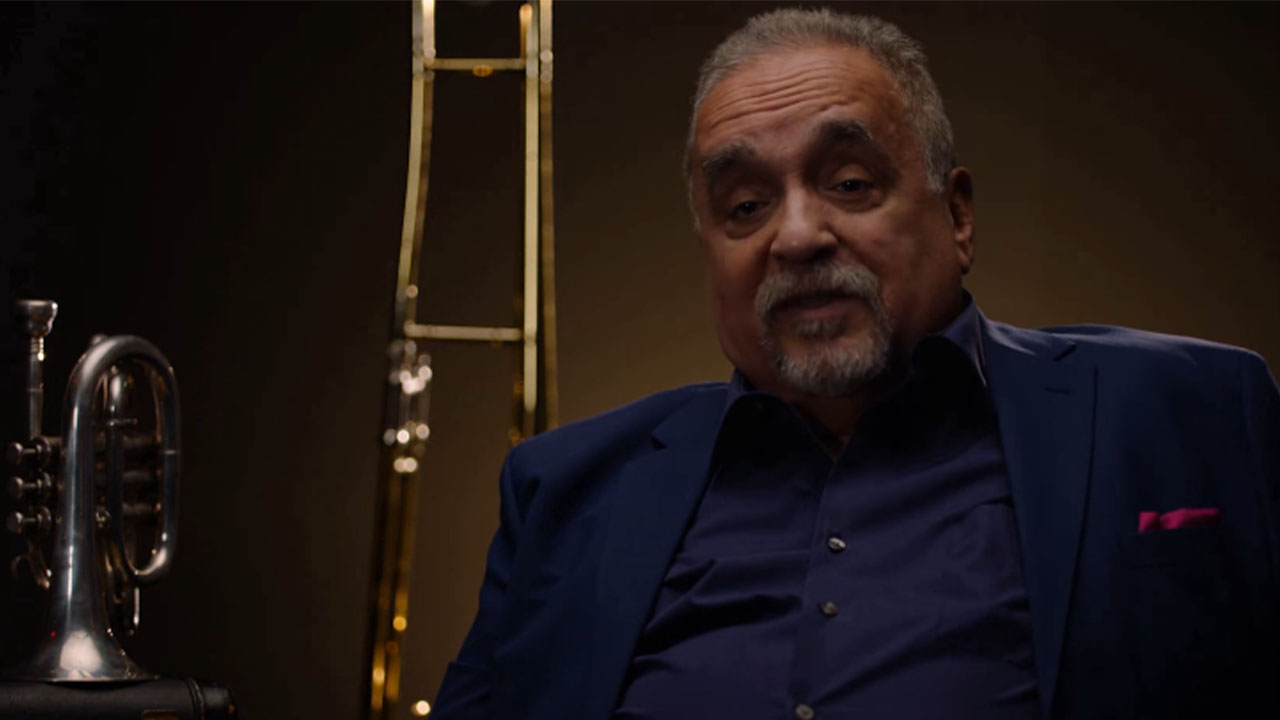
New York City, a city that served as the vibrant crucible for Willie Colón’s legendary career, bid a poignant farewell to the iconic musician, composer, and social commentator. The streets, which once echoed with the revolutionary sounds of his trombone, were once again filled with the unmistakable rhythm of salsa as friends, fellow musicians, and devoted fans gathered to commemorate his life and enduring legacy. Colón, affectionately known as "El Malo del Bronx," passed away, leaving an immeasurable void in the heart of Latin music and culture.
The farewell was far from a somber occasion; it was a testament to the joyous and spirited life Colón led and the music he so passionately created. In a moving tribute, his casket was carried aloft by mourners to the resonant strains of the "Murga Panameña," a powerful ensemble that amplified the collective grief and celebration. The crowd, a sea of faces united by their love for Colón’s music, spontaneously joined in, their voices rising in unison to chant his most beloved hits. The bold, unmistakable sound of the trombone, the instrument that became Colón’s signature and a potent voice for the Fania All-Stars, led his final procession through the city that shaped him.
The Final Trombone Solo: A Symphony of Grief and Gratitude
Images and videos capturing this deeply emotional send-off quickly circulated across social media platforms, resonating with millions worldwide. A particularly poignant moment featured the trombone solo by Dewell Narváez, a fellow artist and close confidant, whose soulful performance became a vocal expression of the collective sentiment. The Museo Planeta Salsa, a prominent cultural institution, encapsulated the mood in a heartfelt post: "What a beautiful farewell for the ‘Malo del Bronx,’ don Willie Colón… Safe journey… May God receive you in His bosom. And present there, the trombone of my brother Dewell Narváez." This sentiment echoed the profound impact Colón had on generations of salsa aficionados.
The outpouring of tributes extended beyond musical performances. Esteemed figures from the Latin music industry, including former collaborators and protégés, shared their memories and condolences. Héctor Lavoe’s estate released a statement acknowledging Colón’s pivotal role in shaping Lavoe’s career, stating, "Willie was more than a bandleader; he was a visionary who understood the raw emotion and storytelling power of salsa. He gave Héctor a platform, and together, they created magic that will forever define a generation." Similarly, Rubén Blades, with whom Colón collaborated on seminal albums, issued a statement that read, in part, "Willie’s music was a mirror reflecting the struggles and triumphs of our community. His trombone didn’t just play notes; it spoke truth to power. The world has lost a giant, but his voice, amplified by his music, will continue to inspire."
A Chronology of a Musical Revolution
Willie Colón’s journey began in the vibrant borough of the Bronx, New York, in 1951. His early exposure to the burgeoning Latin music scene ignited a passion that would define his life. By the late 1960s, he was already making waves as a trombonist and bandleader.
- 1967: Colón signs with Fania Records and releases his debut album, "El Malo," at the young age of 17, immediately establishing his distinctive sound and rebellious persona.
- 1970s: This decade marked the zenith of Colón’s influence within the Fania All-Stars. His collaborations with Héctor Lavoe, including landmark albums like "Asalto Navideño" (1970) and "El Juicio" (1971), solidified their legendary status and brought a new level of artistic sophistication to salsa. He also began his impactful partnership with Rubén Blades, which would yield critically acclaimed works such as "Siembra" (1978), widely regarded as one of the most important salsa albums of all time.
- 1980s-1990s: While continuing his musical endeavors, Colón also became increasingly involved in social and political activism. His music often reflected his concerns about urban issues, poverty, and social justice, earning him the moniker "The Trombone of Justice." He continued to release solo albums and collaborate with various artists, further diversifying his musical explorations.
- 2000s-2010s: Colón remained an active performer and advocate, touring internationally and receiving numerous accolades for his contributions to music and culture. He was inducted into the International Latin Music Hall of Fame in 2001 and received a Lifetime Achievement Award from the Latin Grammy Awards in 2004.
- 2020s: Despite facing health challenges, Colón continued to engage with his fans and advocate for social causes. His passing in March 2026 marked the end of an era.
An Immortal Legacy: More Than Just Music
William Anthony Colón Román was far more than a musician; he was a profound social chronicler whose art served as a powerful conduit for the experiences of the Latino migrant community. From his early days with the incandescent Héctor Lavoe to his groundbreaking collaborations with the politically astute Rubén Blades, Willie Colón transformed salsa from a genre of celebration into a potent vehicle for identity, resilience, and social commentary. His unique blend of infectious rhythms, sharp lyrical wit, and a fearless willingness to tackle difficult social issues resonated deeply with audiences, making his music a soundtrack to the lives of millions.
His departure in March 2026 signifies the closing of a remarkable six-decade career. Throughout this tenure, the "trombón de la justicia" never ceased to sound. He was instrumental in pushing the boundaries of salsa, infusing it with elements of jazz, rock, and Afro-Caribbean rhythms, while always remaining true to its core spirit. His production work for other artists, particularly his early guidance of Lavoe, demonstrated a keen ear for talent and a commitment to elevating Latin music.
The implications of Colón’s passing extend beyond the immediate grief of his fans. His legacy serves as a potent reminder of the power of art to address societal issues and foster cultural pride. The themes he explored – immigration, urban decay, economic inequality, and the search for identity – remain critically relevant today. His music provides a historical archive of the struggles and aspirations of Latino communities in America, offering both catharsis and a call to action.
Broader Impact and Enduring Influence
The impact of Willie Colón’s music and activism is immeasurable. He was a pioneer who not only shaped the sound of salsa but also used his platform to advocate for social justice and cultural understanding. His willingness to speak truth to power, often through his lyrics, made him a respected voice for the marginalized. His influence can be seen in the work of countless contemporary artists who continue to draw inspiration from his innovative musical approach and his commitment to social consciousness.
New York City, his adopted home and the backdrop for much of his artistic journey, mourned but also celebrated. The sounds of salsa that filled the streets during his farewell are a testament to the enduring power of his music. As he himself proclaimed in his lyrics, life is a grand fiesta, a celebration that continues in the hearts and memories of those who were touched by his genius. The echoes of his trombone, a symbol of both rebellion and solidarity, will continue to resonate, a timeless reminder of the "Malo del Bronx" who gave voice to a generation and forever enriched the global tapestry of music.


 Eva Lovia
 Julia Chirkova
 Julia Prastini
 Nila Kartika Wati
 Lina Irawan
 Jia Lissa