
 Nila Kartika Wati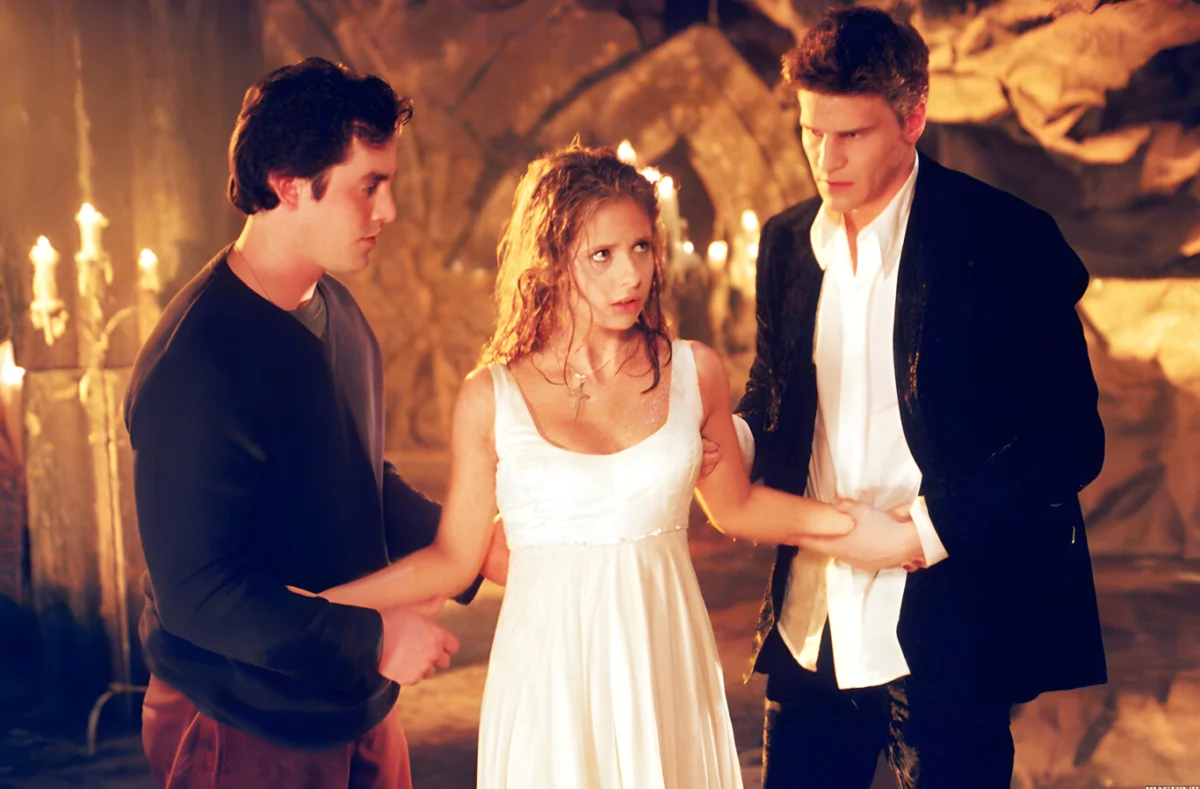
The long-anticipated revival of the supernatural drama Buffy the Vampire Slayer has been officially moved into a state of indefinite cancellation, marking the end of a multi-year development cycle that sought to bring the "Slayer" mythology to a new generation. According to reports from industry insiders and corroborated by Deadline, the project, which was first announced in 2018, has hit an insurmountable impasse. While the news serves as a disappointment to some portions of the fanbase, it simultaneously underscores the enduring legacy of the original seven-season run, which remains a cornerstone of the Disney+ library and a benchmark for narrative innovation in the television medium.
The original series, which aired from 1997 to 2003, was more than a mere genre show; it was a cultural phenomenon that fundamentally altered the trajectory of scripted television. Created by Joss Whedon and starring Sarah Michelle Gellar, the show subverted the "damsel in distress" trope by transforming the stereotypical blonde victim of horror films into the world’s most formidable protector. As the reboot’s prospects fade, the original series continues to attract new viewers, proving that the specific alchemy of the 1990s production is difficult, if not impossible, to replicate in the current media landscape.
The Development Hell of the Buffy Reboot: A Timeline
The road to the now-canceled reboot began in July 2018, when it was announced that 20th Century Fox Television was developing a new version of the series. Monica Owusu-Breen, known for her work on Agents of S.H.I.E.L.D. and Midnight, Texas, was attached as the showrunner and writer. At the time, the project was described not as a direct remake of Sarah Michelle Gellar’s story, but as a "contemporary" reimagining that would potentially feature a Black lead as the new Slayer.
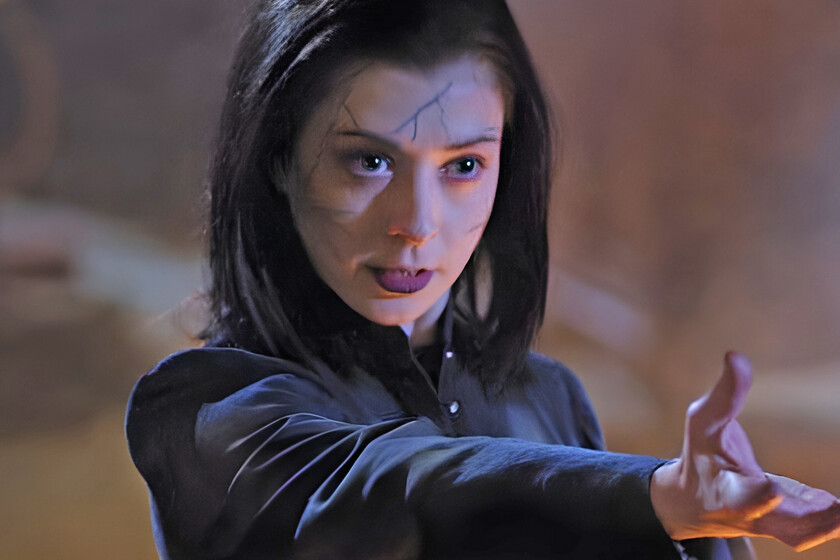
The initial announcement was met with a mixture of excitement and trepidation. Fans of the original were protective of the legacy, while the production team emphasized that the new series would reflect the diversity and complexities of the modern world, much as the original did for the late 1990s. However, the project faced several significant hurdles:
- The Disney-Fox Merger: Shortly after the reboot was announced, The Walt Disney Company completed its acquisition of 21st Century Fox assets. This massive corporate restructuring shifted the priorities of the studio, placing the Buffy IP under the Disney umbrella and complicating the development pipeline.
- Creative Stagnation: Between 2019 and 2022, updates on the project became increasingly scarce. In mid-2022, executive producer Gail Berman noted that the show was "on pause," a common industry euphemism for a project struggling to find its footing.
- Controversies Surrounding the Creator: Allegations regarding the conduct of original creator Joss Whedon on various sets led to a significant cooling of interest in projects closely associated with his brand, even if he was only slated to serve as an executive producer on the reboot.
- The Shift in Streaming Strategy: As the "Streaming Wars" evolved, platforms began pivoting away from expensive reboots of legacy titles in favor of proven hits or entirely new intellectual properties with lower licensing complexities.
With the recent confirmation of the project’s indefinite cancellation, the focus has shifted back to the preservation and celebration of the original work, which remains one of the most studied and acclaimed series in television history.
Why the Original Series Remains Unparalleled
The enduring relevance of Buffy the Vampire Slayer is not merely a product of nostalgia; it is a result of the show’s pioneering approach to storytelling. When it debuted on The WB (later moving to UPN), television was largely divided between procedural "case-of-the-week" shows and serialized soap operas. Buffy was one of the first series to successfully marry these two formats.
The show introduced the concept of the "Big Bad"—a seasonal antagonist that provided a long-form narrative arc—while still delivering self-contained episodes that explored specific themes of adolescence. This structure allowed for deep character development that lasted years, creating an emotional investment that few shows of that era could match.

Furthermore, the series was a masterclass in metaphor. The monsters Buffy fought were rarely just demons; they were physical manifestations of the horrors of growing up. High school was literally hell (built over a Hellmouth), a boyfriend losing his soul after a first sexual encounter was a literal vampire transformation, and the isolation of adulthood was reflected in the increasingly dark tone of the later seasons. This "monsters-as-metaphor" approach has since become a standard tool for modern genre hits like Stranger Things and The Last of Us.
Critical Legacy and Academic Recognition
The critical community has long recognized Buffy as a top-tier contribution to the arts. Variety has frequently highlighted its narrative innovation, noting that it paved the way for the "Golden Age of Television" by proving that a show about a teenage girl fighting vampires could be intellectually rigorous. Empire magazine consistently ranks it within the top 50 television series of all time, and The Hollywood Reporter has lauded its ability to balance gothic horror with sharp, witty dialogue—a style often referred to as "Buffy-speak" that influenced a generation of writers.
The show’s impact is so profound that it birthed an entire field of academic study known as "Buffy Studies" or "Buffyology." Thousands of scholarly papers, books, and international conferences have been dedicated to analyzing the show’s themes of feminism, power dynamics, ethics, and linguistics. This level of intellectual scrutiny is almost unheard of for a network television series, further complicating any attempt to "reboot" a property that has been so thoroughly deconstructed and revered.
Cast Reactions and the Future of the Buffyverse
While the television reboot is no longer on the table, the "Buffyverse" has continued to expand in other media. Following the series finale in 2003, the story continued in a series of highly successful comic books published by Dark Horse and later BOOM! Studios, which were billed as "Seasons 8 through 12."

In 2023, Audible released Slayers: A Buffyverse Story, an original audio drama featuring many of the original cast members, including James Marsters (Spike), Charisma Carpenter (Cordelia), and Anthony Head (Giles). This project was warmly received by fans, suggesting that the audience is more interested in seeing the original characters evolve than in seeing a new cast take on the mantle.
Sarah Michelle Gellar herself has been vocal about her lack of interest in returning to the role of Buffy Summers. In various interviews, she has stated that the story of Buffy was a story about the horrors of adolescence, and having completed that journey, she feels the character’s arc is rightfully concluded. Gellar’s stance has likely contributed to the studio’s hesitation to move forward with a project that lacked the endorsement of its central star.
The Disney+ Factor: A New Life for an Old Classic
For modern audiences, the cancellation of the reboot is mitigated by the fact that all 144 episodes of the original series are readily available on Disney+ (under the Star banner in many international markets). The platform has seen a resurgence in viewership for legacy titles, as younger generations "discover" the shows their parents watched.
The availability of the series in high definition (despite some controversy regarding the 16:9 remastering which occasionally reveals production equipment) has allowed Buffy to remain a top-performing title for the streamer. Its presence alongside other 20th Century acquisitions, such as The X-Files and Firefly, ensures that the show remains part of the cultural conversation without the need for a potentially lackluster reimagining.

Broader Implications for the Television Industry
The cancellation of the Buffy reboot may signal a broader trend in Hollywood. After a decade-long obsession with reviving 90s and 2000s properties—ranging from Charmed to Gossip Girl—networks and streaming services are beginning to face "reboot fatigue."
Industry analysts suggest that the high failure rate of these revivals is leading studios to be more cautious. A reboot of a "holy grail" property like Buffy carries an immense financial and reputational risk. If it fails to meet the sky-high expectations of a dedicated fanbase, it can tarnish the brand’s long-term value. By leaving the original series as the definitive version, Disney preserves the integrity of the IP while continuing to monetize it through streaming residuals and merchandise.
Ultimately, the decision to halt the Buffy reboot reinforces a growing sentiment in the entertainment industry: some stories are so intrinsically linked to their specific era, cast, and creative vision that they do not require a second act. For those wishing to return to Sunnydale, the Hellmouth remains open on Disney+, offering a seven-year journey that continues to stand the test of time, proving that while reboots may come and go, a true legend never dies.


 Eva Lovia
 Julia Chirkova
 Julia Prastini
 Jia Lissa
 admin
admin