
The global fashion landscape witnessed a pivotal moment this week with the official announcement of a collaborative collection between the acclaimed American designer Willy Chavarria and the retail giant Zara. Titled "HOUSE OF COLOR," the collection represents a sophisticated intersection of high-concept design and mass-market accessibility, further cementing Chavarria’s influence in the industry following his recent tenure as guest editor for Vogue Latin America. This partnership arrives at a time when the Inditex group, Zara’s parent company, is increasingly leaning into "premiumization" strategies, seeking to bridge the gap between fast fashion and the nuanced storytelling of independent luxury houses.
The Genesis of House of Color: A Vision of Dramatic Elegance
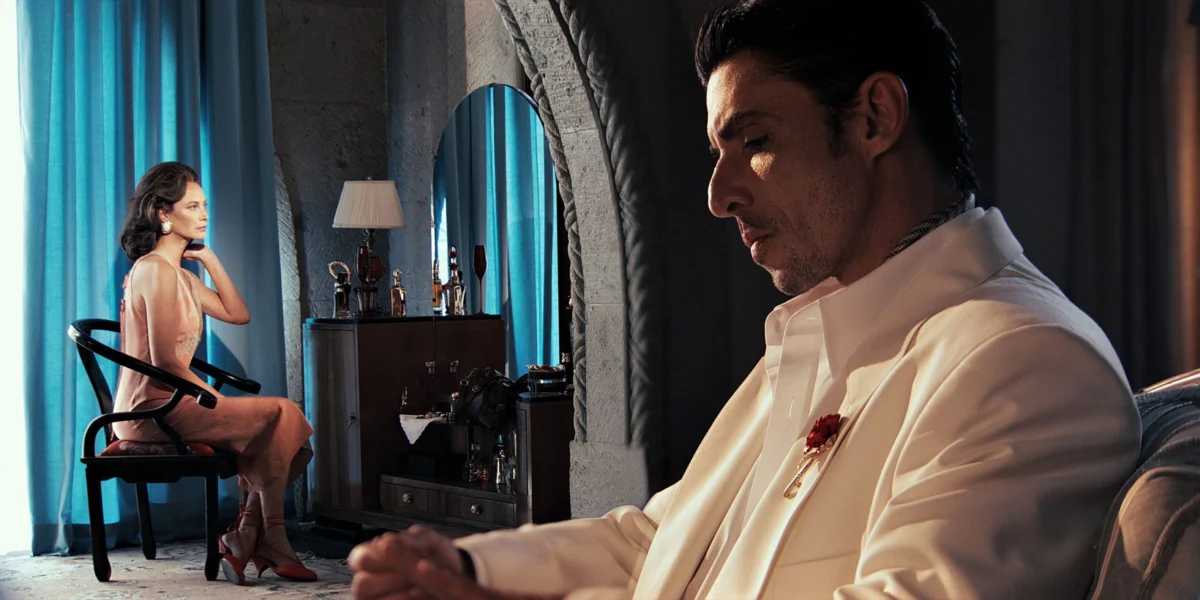
The collaboration is rooted in Chavarria’s signature aesthetic, which frequently draws from his Chicano heritage and the socio-political climate of the United States. However, for the "HOUSE OF COLOR" project, the designer has pivoted toward a more cinematic and theatrical narrative. According to Chavarria, the collection was conceived as a "telenovela," a nod to the highly stylized and emotionally charged soap operas that are a staple of Latin American culture.
The creative process was characterized by a focus on elevated materials and meticulous detailing, aspects often sacrificed in large-scale retail partnerships. Chavarria noted that the collaboration with Zara’s design team was exceptionally fluid, allowing for a concentration on high-quality fabrics, including Italian textiles, which were used to reinterpret classic American workwear. The collection features high-waisted, straight-leg chino trousers and double-pocket work shirts—staples of the Chavarria wardrobe—reimagined through a lens of luxury and "glamorous drama."
A Cinematic Campaign: The Telenovela Aesthetic
To bring the "HOUSE OF COLOR" vision to life, the campaign was shot by renowned fashion photographer Glen Luchford, known for his cinematic lighting and ability to capture raw human emotion. The campaign features an unexpected yet potent casting choice: legendary supermodel Christy Turlington and the prominent Mexican actor Alberto Guerra.

The narrative of the campaign is set within a fictional, opulent mansion in Mexico City, housing a family defined by elegance and internal drama. This setting serves as a metaphor for the collection itself—structured, sophisticated, yet pulsing with a distinct cultural energy. Chavarria’s decision to cast Turlington and Guerra was intentional, aiming to showcase the versatility of the garments across different personas and age groups. Turlington, a staple of high-fashion iconography for decades, is presented in a way that Chavarria describes as "entirely new," emphasizing her range as an actress within the campaign’s dramatic framework.
Chronology of Chavarria’s Rise and Zara’s Collaborative Evolution
The "HOUSE OF COLOR" launch is not an isolated event but the latest milestone in a carefully charted trajectory for both the designer and the retailer.
2015: Willy Chavarria launches his eponymous label in New York City, focusing on oversized silhouettes and Chicano-inspired workwear with a social justice undertone.
2021: Chavarria is appointed Senior Vice President of Design at Calvin Klein, signaling his entry into the upper echelons of corporate fashion management while maintaining his independent brand.
2023: Chavarria wins the CFDA Menswear Designer of the Year award, solidifying his status as a leader in contemporary American fashion.
2023–2024: Zara intensifies its collaboration strategy. Following successful ventures with designers like Narciso Rodriguez and Studio Nicholson, Zara begins a targeted approach toward Latin American talent, collaborating with Mexican designer Lorena Saravia and Montserrat Messeguer for Pull&Bear.
November 2024: Chavarria serves as guest editor for Vogue Latin America, further elevating his profile in the Spanish-speaking market.
Late 2024: The announcement of "HOUSE OF COLOR" x Zara, marking Chavarria’s most significant move toward global consumer accessibility.
Strategic Context: The "Premiumization" of Zara
For Zara, this collaboration is a tactical move within a broader industry trend where mass-market retailers partner with high-end designers to elevate brand perception. By aligning with Chavarria, Zara taps into a specific cultural zeitgeist. Chavarria is not merely a designer; he is a storyteller whose work resonates with themes of identity, labor, and heritage.
Data from retail analysts suggests that these "limited edition" collaborations serve two purposes: they drive foot traffic and online engagement through exclusivity, and they allow Zara to test higher price points for garments made from superior materials. The inclusion of Italian fabrics in the "HOUSE OF COLOR" line suggests a move toward the "Zara Origins" or "Studio" tier of the brand’s hierarchy, which targets a more discerning, fashion-forward demographic.

Furthermore, this partnership reflects the growing economic and cultural power of the Latino demographic. In the United States alone, the purchasing power of Latino consumers has surpassed $3.4 trillion. By elevating a Mexican-American designer to a global platform, Zara is effectively communicating with a massive audience that has historically been underserved by mainstream luxury houses.
Materiality and Design: Merging Workwear with High Tailoring
The "HOUSE OF COLOR" collection is an exercise in contrast. Chavarria has long championed the "uniform" of the working class, particularly the aesthetic of the "Pachuco" and the Chicano "Cholo" styles, which involve exaggerated proportions and a sense of defiant dignity. In this collaboration, these influences are tempered with the requirements of a global retail audience.
Key elements of the collection include:
- Tailored Workwear: The use of high-grade cottons and wool blends for trousers and shirts.
- Silhouettes: A move away from the extreme oversized fits of Chavarria’s runway shows toward a more "approachable" volume that retains the designer’s signature look.
- Color Palette: While the title suggests a vibrant array, the collection utilizes a sophisticated palette that balances neutral tones with dramatic accents, mirroring the visual language of classic cinema.
- Details: High-waisted cuts and specific pocket placements that reference mid-century American utility wear, elevated by refined finishing.
Broader Industry Implications and Cultural Representation
The significance of Willy Chavarria x Zara extends beyond retail sales. It represents a "democratization of design" that allows a broader audience to own a piece of a CFDA-winning designer’s vision. For Chavarria, the goal of "HOUSE OF COLOR" is to share his aesthetic with a global audience at an accessible price point without compromising the narrative integrity of his brand.
Industry reactions have been largely positive, with critics noting that Chavarria’s involvement in the creative direction of the campaign ensures that the collaboration feels like an authentic extension of his main line rather than a watered-down commercial product. The "telenovela" theme, while humorous, serves a serious purpose: it reclaims a cultural trope and presents it as a legitimate source of high-fashion inspiration.

This collaboration also sets a precedent for how global brands engage with regional designers. By following the successes of Lorena Saravia and Montserrat Messeguer, Zara is positioning itself as a patron of Latin American design talent, a strategy that distinguishes it from competitors like H&M or Uniqlo, who typically focus on European or Japanese collaborators.
Future Outlook: The Scaling of Independent Vision
As "HOUSE OF COLOR" hits stores globally, the fashion industry will be watching the sell-through rates and consumer feedback closely. A successful run could lead to a long-term partnership, similar to the multi-year deals seen between other high-street retailers and designers.
For Willy Chavarria, this collaboration is a testament to the scalability of a niche, culturally specific vision. It proves that the "Chicano aesthetic"—once relegated to the fringes of the fashion world—now possesses the gravitas to lead a global campaign for the world’s largest fashion retailer. The "HOUSE OF COLOR" is not just a collection of clothes; it is a declaration that the stories of the Latino diaspora are universal, elegant, and, above all, essential to the future of global fashion.
The collection is expected to be available in select Zara flagship stores and online, accompanied by the cinematic short film directed by Luchford. As the industry continues to evolve, the Willy Chavarria x Zara partnership will likely be cited as a case study in how to successfully merge cultural heritage with global commercial strategy.

0 Comments