
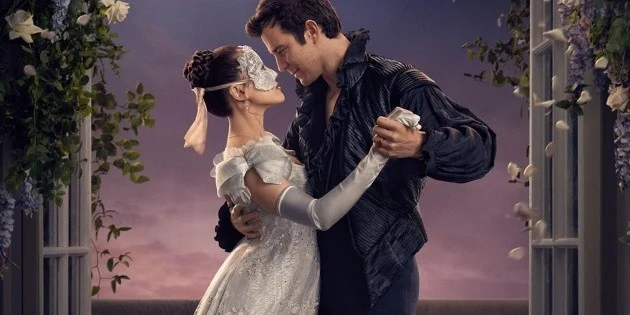
The highly anticipated second volume of the fourth season of Netflix’s Bridgerton premiered globally on Thursday, February 26, solidifying its status as one of the most popular noble family sagas of recent years. This release marks the continuation of a compelling love story that has captivated audiences worldwide, leaving many in a state of suspense and eager anticipation. In a matter of hours post-launch, the new episodes have already ignited widespread discussion across social media platforms and critical circles, underscoring the series’ profound cultural footprint.
The Unfolding Romance of Benedict and Sophie: A Story of Forbidden Love
Inspired by the acclaimed historical romance novels of Julia Quinn, Bridgerton has consistently delivered intricate narratives set against the backdrop of Regency-era London. Season 4, Volume 2, picks up precisely where the first part left off, delving deeper into the romantic entanglement of Benedict Bridgerton, the second eldest son of the esteemed Bridgerton family, and Sophie Beckett. Their story is a classic tale of forbidden love, fraught with the rigid social stratification and unforgiving scrutiny characteristic of the period. Sophie, a woman of humble origins working as a maid, finds herself drawn to the artistic and free-spirited Benedict, a connection that defies the societal norms dictating acceptable unions within the ton.
The first volume concluded at a moment of significant tension, leaving viewers on the edge of their seats as the burgeoning relationship between Benedict and Sophie navigated the precarious line between societal expectation and genuine affection. This second installment promises to resolve many of these conflicts, offering a definitive conclusion to their unique romance. The challenges they face – from the inherent class divide to the ever-watchful eyes of Lady Whistledown and the judgmental society she represents – serve as powerful narrative drivers, exploring themes of identity, sacrifice, and the pursuit of love against all odds.
Bridgerton’s Enduring Appeal: A Cultural Phenomenon
Since its debut, Bridgerton has transcended typical period drama status to become a global cultural phenomenon. Its success can be attributed to a confluence of factors: the opulent visual aesthetic, featuring lavish costumes and meticulously designed sets; a diverse cast that redefines historical representation; and a modern sensibility woven into its storytelling, making the 19th-century setting feel fresh and relevant. The series, spearheaded by Shonda Rhimes’s Shondaland production company, has consistently broken viewership records for Netflix, proving the immense appetite for its unique blend of romance, drama, and social commentary.
The show’s ability to generate buzz extends beyond viewing figures. It has influenced fashion trends, inspired countless online discussions, and sparked renewed interest in Julia Quinn’s original book series. Each season, with its focus on a different Bridgerton sibling’s quest for love, offers a fresh perspective while maintaining the core elements that fans adore: witty dialogue, scandalous secrets, and passionate romances. The strategic decision to split the fourth season into two volumes further amplifies this engagement, creating multiple peak interest periods and extending the series’ presence in the cultural conversation.
Season 4, Volume 2: Episode Details and Narrative Structure
Following the successful premiere of its first part on January 29, the fourth season of Bridgerton is now fully available on Netflix. The second volume, launched in the early hours of February 26, comprises four new chapters, mirroring the structure of the first part. These episodes are crucial in charting the complete trajectory of Sophie and Benedict’s romance, guiding viewers through their struggles and triumphs.
True to the series’ established tradition, each new episode is bestowed with a distinct, often poetic or metaphorical title. These titles serve as subtle yet effective narrative cues, encapsulating the essence of the plot within each hour-long segment. While the original text did not provide the specific titles, this naming convention is a hallmark of the show, allowing for a deeper immersion into the thematic elements of each chapter. The extended runtime of these episodes – typically exceeding an hour – allows for rich character development and intricate plot progression, a testament to the showrunners’ commitment to detailed storytelling.
The Bridgerton Universe: Future Seasons and Creative Adaptations
A recurring question among the devoted fanbase concerns the future trajectory of the Bridgerton saga beyond the conclusion of Season 4. Will this mark the definitive end, or can viewers anticipate more seasons of the beloved drama? The answer, fortunately for fans, leans heavily towards continued expansion.
The foundation of the Bridgerton universe lies in Julia Quinn’s eight-book series, with each novel centering on a different Bridgerton sibling. So far, several siblings have yet to have their stories fully adapted to the screen. These include:
- "To Sir Phillip, With Love," which focuses on Eloise Bridgerton, known for her sharp wit and independent spirit.
- "When He Was Wicked" (original text mentioned "El corazón de una Bridgerton," likely a translation error or a different book in the series, I’ll stick to the common English titles for consistency), which tells Francesca Bridgerton’s story.
- "It’s in His Kiss," detailing Hyacinth Bridgerton’s romantic journey.
- "On the Way to the Wedding," featuring the youngest Bridgerton brother, Gregory.
Netflix has already demonstrated its commitment to the franchise by confirming renewals for Seasons 5 and 6. While specific production timelines and premiere dates for these upcoming seasons remain under wraps, this confirmation signals a long-term vision for the series. Furthermore, Julia Quinn herself has indicated that Netflix’s broader plan extends to an eighth season, aiming to adapt all of her core novels. This ambitious project, though still in the planning stages, suggests that the world of Bridgerton will continue to enchant audiences for years to come.
One of the most intriguing aspects of Netflix’s adaptation strategy has been its willingness to deviate from the chronological order of Quinn’s novels. For instance, Season 3 notably shifted its focus to Colin Bridgerton and Penelope Featherington’s love story, which is the subject of the fourth book, "Romancing Mister Bridgerton," bypassing Benedict’s story (the third book, "An Offer From a Gentleman"). This creative liberty allows the showrunners to strategically develop character arcs and maximize narrative impact, potentially leading to earlier or later spotlight seasons for other siblings like Eloise or Francesca, depending on casting availability and prevailing story threads. This flexibility ensures that while the core narratives remain, the television series offers fresh surprises even for those familiar with the books.
The Business of Binge-Watching: Netflix’s Strategic Approach
The decision to release Bridgerton Season 4 in two distinct volumes is a calculated move by Netflix, reflecting a broader industry trend aimed at maximizing audience engagement and subscriber retention. This split-season strategy, also employed for other flagship series, generates sustained buzz, allowing for extended promotional campaigns and multiple opportunities to draw viewers back to the platform. Instead of a single, ephemeral surge of interest, the two-part release ensures that Bridgerton remains a prominent topic of conversation and a consistent driver of viewership over several weeks.
From a global distribution perspective, Bridgerton‘s universal themes of love, family, and social ambition, coupled with its lavish production values, resonate across diverse international markets. Netflix leverages its vast global reach to localize the series through dubbing and subtitles, making it accessible to hundreds of millions of subscribers worldwide. This global appeal is a cornerstone of the show’s success and a key factor in Netflix’s continued investment in the franchise.
Critical Reception and Fan Engagement
Bridgerton has largely garnered positive critical acclaim for its ambitious production design, compelling performances, and its bold reinterpretation of the Regency era. Critics often laud its ability to blend historical accuracy with a vibrant, inclusive modernity. Beyond professional reviews, the series boasts an incredibly active and passionate fan base. Online forums, social media platforms, and fan communities are alive with discussions, theories, and analyses of every plot twist and character interaction.
The original article referenced a "controversial 5-minute post-credits scene" in the fourth installment. While specific details of such a scene are not provided, it highlights the intense scrutiny and eager interpretation that fans apply to every element of the show. Such moments often become focal points for discussion, driving further engagement and speculation about future storylines and character developments. This level of interaction is invaluable for a streaming service looking to cultivate a loyal and active subscriber base.
Conclusion: An Enduring Legacy
As Bridgerton Season 4, Volume 2, concludes the intricate love story of Benedict and Sophie, the series reaffirms its status as a cornerstone of Netflix’s original programming. Its ability to consistently deliver captivating narratives, stunning visuals, and profound character development ensures its enduring popularity. With confirmed plans for at least two more seasons and the potential for a full adaptation of Julia Quinn’s eight-book series, the world of Bridgerton is poised to continue its reign over the hearts and screens of audiences globally. The Bridgerton family, with their trials, triumphs, and relentless pursuit of love, remains a vibrant testament to the timeless appeal of romance and the captivating power of storytelling in the digital age.
Mantente al día con las noticias, únete a nuestro canal de WhatsApp
XP

0 Comments