
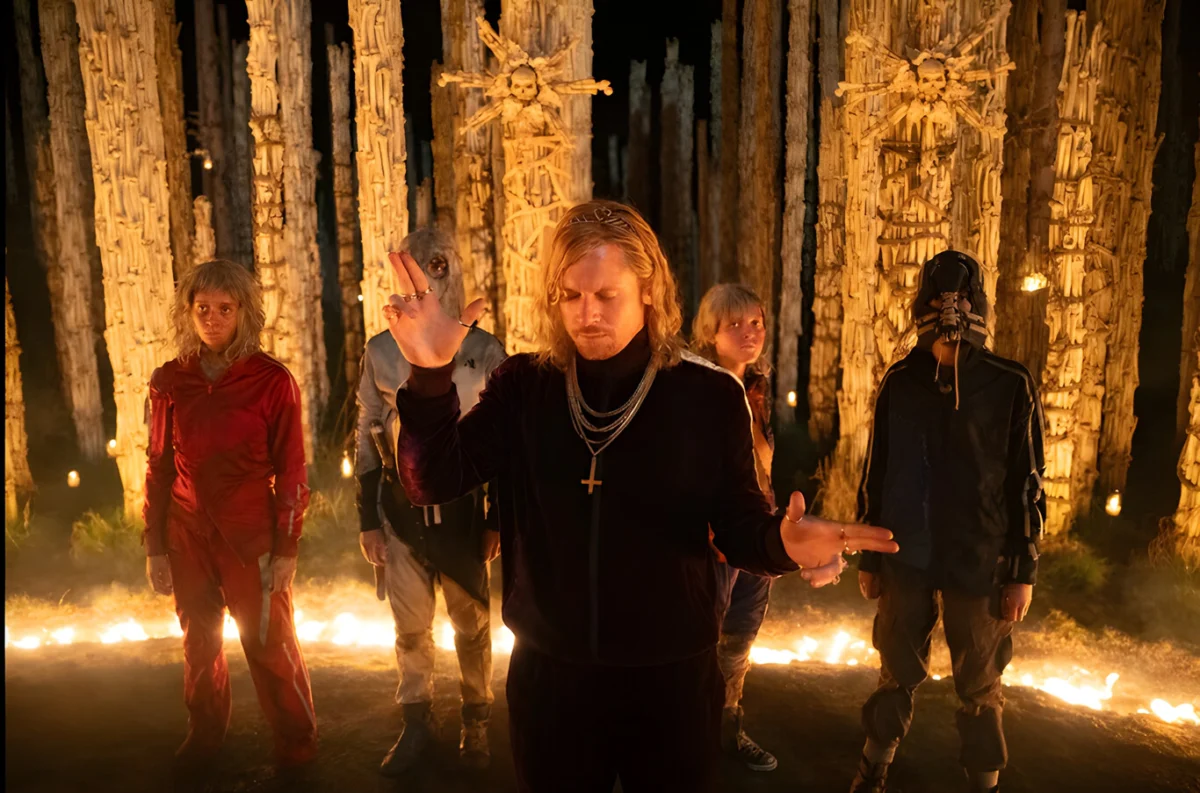
The cinematic landscape of 2026 has been significantly defined by the resurgence of the "Rage Virus" universe, a franchise that originally redefined the horror genre at the turn of the millennium. The latest installment, titled 28 Years Later: The Bone Temple (released in Spanish-speaking markets as Exterminio: El templo de huesos), has achieved a remarkable milestone by ascending to the top of the "Top 10 Most Watched" list on HBO Max within days of its streaming debut. This surge in viewership underscores a growing audience appetite for elevated horror—narratives that prioritize psychological depth, theological inquiry, and atmospheric tension over the conventional tropes of the zombie subgenre. Critics and audiences alike have gravitated toward the film, resulting in a prestigious 92% approval rating on Rotten Tomatoes, signaling a triumphant return for a series that had remained dormant for nearly two decades before its recent revival.
A Departure from Conventional Post-Apocalyptic Tropes
While the foundational elements of the 28 Days Later saga remain—specifically the terrifyingly fast "infected" driven by a virus of pure rage—The Bone Temple distinguishes itself by pivoting away from the kinetic survivalism of its predecessors. The narrative follows a disparate group of survivors who seek sanctuary within the confines of an ancient, remote temple. This setting serves as more than a mere backdrop; it functions as a central character, providing a claustrophobic and solemn environment that heightens the film’s existential stakes.
Unlike typical entries in the genre that focus on the logistical hunt for a vaccine or the visceral mechanics of urban survival, The Bone Temple delves into the "humanity of the aftermath." The screenplay explores the psychological toll of prolonged isolation and the desperate measures individuals take to preserve their sanity when civilization has not only collapsed but has begun to fade from living memory. By shifting the focus from the external threat of the infected to the internal decay of the survivors’ spirits, the film offers a meditative experience that challenges the viewer to reflect on the nature of the soul.
Historical Context: The Evolution of the Rage Virus Saga
To understand the impact of The Bone Temple, one must examine the chronological trajectory of the franchise. In 2002, director Danny Boyle and writer Alex Garland released 28 Days Later, a film credited with revitalizing the zombie genre by replacing the slow, shuffling undead of the Romero era with aggressive, sprinting infected. This was followed in 2007 by 28 Weeks Later (marketed in some regions as Exterminio: La evolución), which expanded the scope to a military-led attempt to repopulate London, ending in a catastrophic failure that suggested a global spread of the virus.
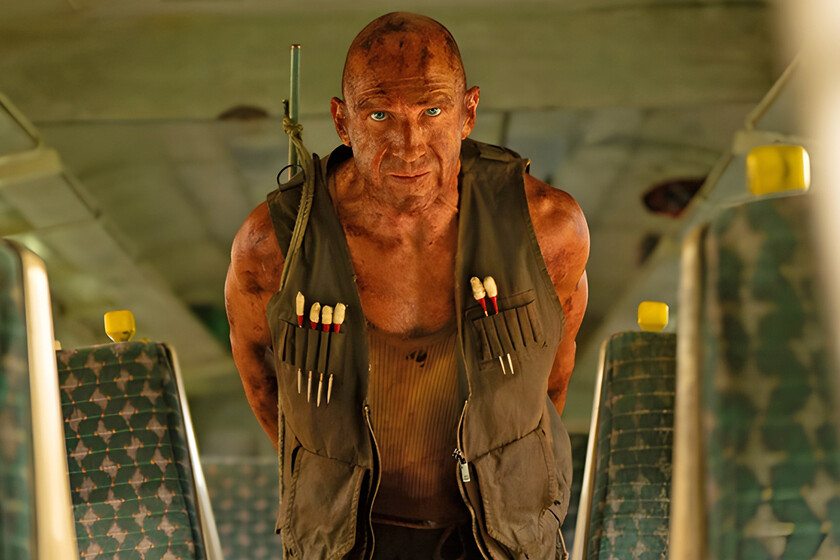
For years, the franchise remained in a state of "development hell," with fans speculating on whether a third installment would ever materialize. The eventual greenlighting of a new trilogy, spearheaded by the original creative duo, marked a significant shift in the industry’s approach to legacy sequels. The Bone Temple acts as the second pillar of this modern trilogy, building upon the narrative foundations laid by its immediate predecessor while refining the series’ aesthetic for a contemporary audience. The film’s success on HBO Max is a testament to the enduring power of the intellectual property and the effectiveness of a "quality over quantity" production philosophy.
Thematic Analysis: Faith, Desperation, and the Divine
One of the most discussed aspects of The Bone Temple is its heavy integration of philosophical and religious themes. In a world where science has failed to provide answers or a cure, the characters turn toward the divine, albeit in a way that is often fraught with terror and ambiguity. The "Bone Temple" itself becomes a site of both physical refuge and spiritual crisis.
The film poses a central question: What defines humanity when the social contract has been permanently dissolved? For the survivors in the temple, faith is not merely a comfort but a survival mechanism. However, the narrative expertly explores the "dark side" of this devotion, illustrating how religious fervor can become just as dangerous as the virus itself if it is used to justify cruelty or exclusion. This intellectual rigor is what has earned the film such high praise from critics, who have lauded it for treating the audience with intelligence and providing a "refreshing perspective" on a genre that many believed had reached its creative limit.
Production Excellence and Visual Storytelling
Technically, The Bone Temple continues the franchise’s tradition of visual innovation. The original 2002 film was famous for being shot on standard-definition digital video to capture a gritty, immediate feel. In contrast, the 2026 installment utilizes state-of-the-art cinematography to contrast the decaying beauty of the ancient temple with the stark, brutal reality of the infected world outside.
The director’s use of light and shadow within the temple walls creates a sense of "claustrophobic grandiosity," making the sanctuary feel both like a palace and a tomb. Furthermore, the film emphasizes psychological tension over excessive gore. While the "horror" elements are present and viscerally effective, they are deployed with a restraint that makes their appearance all the more impactful. This stylistic choice aligns the film with the "A24 style" of elevated horror, which has dominated the critical conversation over the last decade.

Market Performance and Streaming Data
The ascent of The Bone Temple to the top of the HBO Max charts is not an isolated incident but part of a broader trend in streaming consumption. Data indicates that "legacy horror" titles—new entries in established franchises that offer a mature take on the material—perform exceptionally well during the autumn and winter months. According to industry analysts, The Bone Temple saw a 40% higher retention rate than standard action-horror films, suggesting that viewers were deeply engaged with the complex plot and character arcs.
The film’s performance has also provided a significant boost to its predecessor, 28 Weeks Later, which has also seen a resurgence in the "Most Watched" categories as new fans catch up on the lore. This "halo effect" is a key strategy for streaming platforms like Max, which leverage new exclusive releases to drive engagement with their back-catalog of licensed content.
Critical and Official Responses
Industry experts have pointed to the 92% Rotten Tomatoes score as a rare feat for a horror sequel. Renowned critics have described the film as "a haunting exploration of the end of days that finds beauty in the wreckage." Statements from the production team during the film’s promotional tour emphasized their desire to "honor the legacy of the original while pushing the boundaries of what a post-apocalyptic story can be."
Lead actors have also commented on the intensity of the production, noting that the isolated filming locations helped them tap into the "existential dread" required for their roles. This commitment to authenticity is palpable on screen and has been cited by many as the reason the film resonates so strongly with a global audience.
Broader Implications for the Horror Genre
The success of 28 Years Later: The Bone Temple suggests a pivotal shift in the horror market. It proves that audiences are no longer satisfied with "jump scares" alone; they demand narrative substance and thematic depth. By successfully blending science fiction, horror, and philosophical inquiry, the film sets a new benchmark for future entries in the genre.
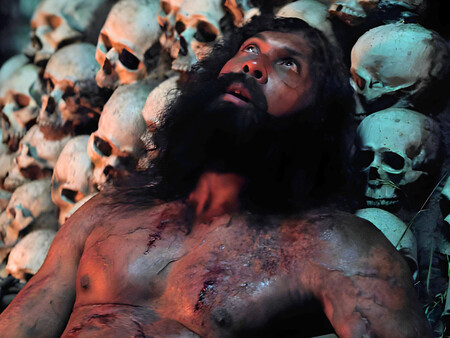
Furthermore, the film’s success solidifies HBO Max’s position as a premier destination for high-quality, adult-oriented genre fiction. As the industry moves forward, it is likely that we will see more studios attempting to replicate the "Bone Temple formula"—taking established horror IPs and infusing them with high-concept storytelling and prestige production values.
For viewers seeking a cinematic experience that challenges the mind as much as it thrills the senses, The Bone Temple remains the definitive recommendation. It is a stark reminder that even at the end of the world, the most terrifying thing is not what lurks in the shadows, but what remains in the mirror when all hope is lost. As the film continues to dominate the streaming charts, its legacy as a modern classic of the genre seems increasingly assured. Those who have yet to experience this journey into the heart of the Rage Virus are encouraged to join the millions already captivated by this grim, beautiful, and profoundly moving chapter of cinematic history.

0 Comments