
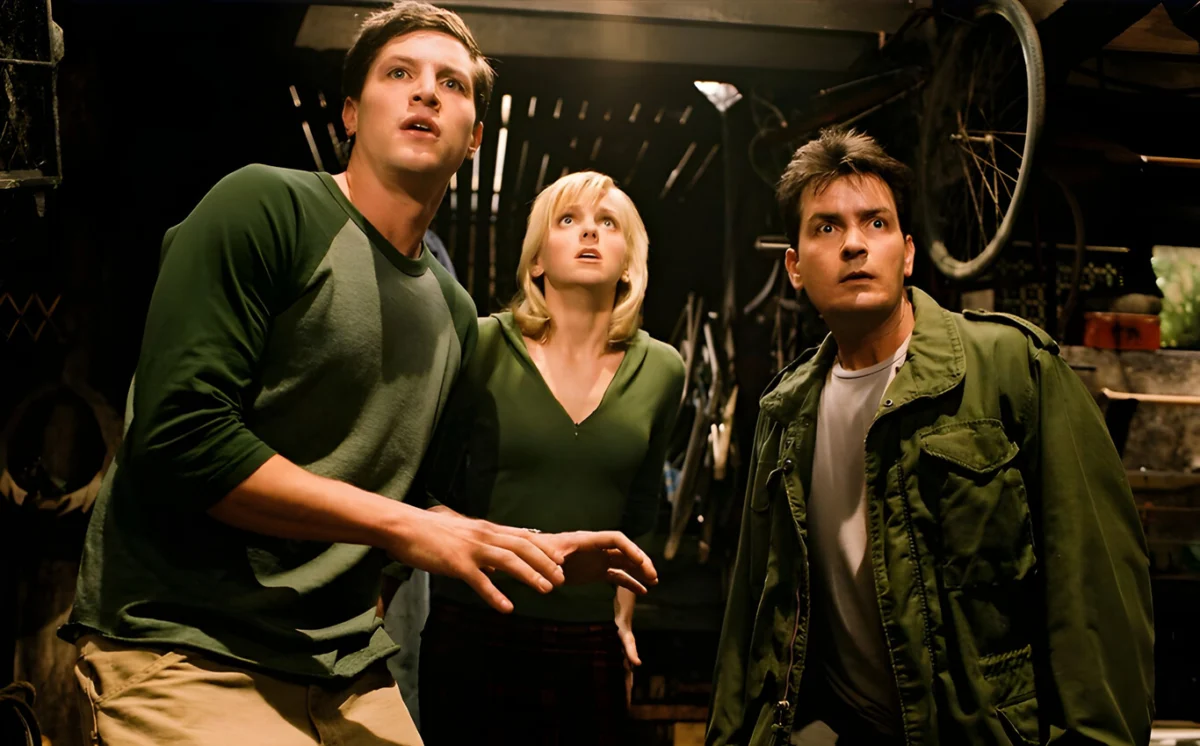
The digital landscape of streaming cinema is set for a notable shift as Netflix prepares to remove the first three installments of the Scary Movie franchise from its library on April 3. This departure marks the end of a significant era for the platform’s comedy offerings, as these films represent a pivotal moment in the evolution of the parody genre. The removal comes at a time of renewed interest in the series, following recent industry announcements regarding the development of a sixth installment involving the original creative architects of the brand. For subscribers and film historians alike, the exit of Scary Movie, Scary Movie 2, and Scary Movie 3 serves as a deadline to revisit a specific brand of irreverent, high-concept satire that defined the early 2000s box office.
The Genesis of a Cultural Phenomenon
The Scary Movie franchise emerged at the turn of the millennium, a period when the horror genre was experiencing a massive resurgence led by "slasher" revivals such as Scream (1996) and I Know What You Did Last Summer (1997). Developed by Keenen Ivory Wayans, Marlon Wayans, and Shawn Wayans, the original Scary Movie sought to deconstruct the tropes of these films through a lens of hyperbolic absurdity and "gross-out" humor.
When the first film debuted in July 2000, it bypassed traditional critical approval to become a commercial juggernaut. Produced on a modest budget of approximately $19 million, it defied industry expectations by earning $42.3 million in its opening weekend alone. This performance established a new benchmark for R-rated comedies, proving that there was a massive global appetite for "spoof" cinema that was willing to push boundaries of political correctness and cinematic decorum.
A Chronology of the Original Trilogy
The three films currently scheduled to leave Netflix represent two distinct eras of the franchise’s creative direction. Understanding the transition between these films provides insight into how the series maintained its relevance across different comedic sensibilities.
Scary Movie (2000)
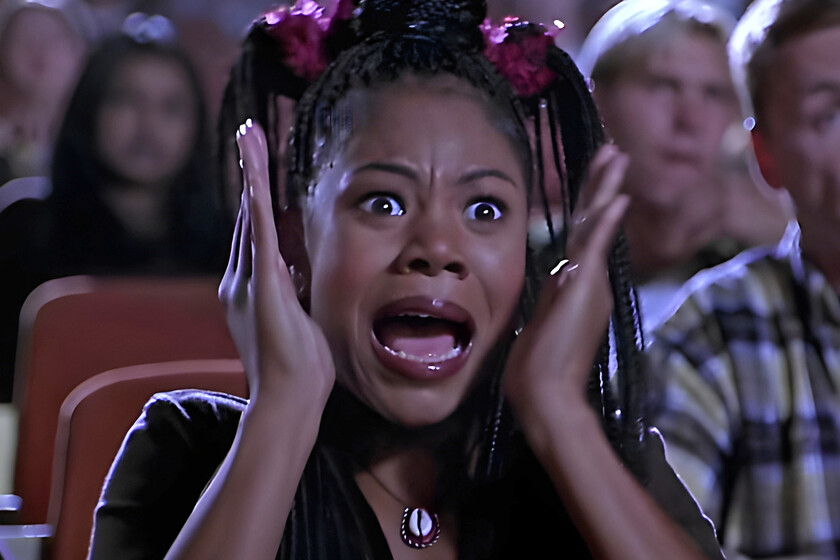
The inaugural film focused primarily on the "Scream" formula. It introduced audiences to Cindy Campbell (Anna Faris) and Brenda Meeks (Regina Hall), characters who would become the connective tissue of the series. By mocking the self-aware nature of late-90s horror, the Wayans brothers created a meta-commentary on the genre that resonated with a younger demographic. The film eventually grossed over $278 million worldwide, cementing its place as a cornerstone of modern parody.
Scary Movie 2 (2001)
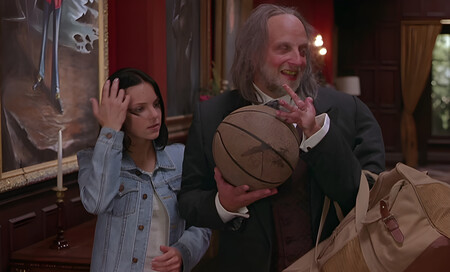
Released just one year later, the sequel shifted its focus from slasher films to supernatural horror and "haunted house" narratives. It drew heavily from The Haunting (1999) and The Exorcist (1973), while also incorporating parodies of contemporary pop culture, such as Charlie’s Angels. Although it saw a slight dip in critical reception and box office compared to its predecessor—earning roughly $141 million—it is often remembered for its more experimental and surrealist humor, which pushed the boundaries of the R-rating.
Scary Movie 3 (2003)
The third installment marked a significant structural shift for the franchise. The Wayans brothers departed as directors and writers, handing the reins to David Zucker, the legendary filmmaker behind Airplane! and The Naked Gun. Zucker transitioned the series from an R-rating to PG-13, broadening its commercial reach. This film targeted The Ring, Signs, and 8 Mile, blending the Wayans’ established characters with Zucker’s signature rapid-fire sight gags. The shift was a financial success, with the film grossing $220 million globally, proving the brand’s durability even with a change in creative leadership.

Financial Performance and Market Impact
The Scary Movie franchise is one of the most profitable endeavors in the history of Dimension Films and Miramax. To date, the five films in the series have collectively generated over $896 million at the global box office. The financial data highlights a clear trend: the franchise thrived by capitalizing on the "event" status of the horror movies it parodied.
According to data from Box Office Mojo, the first film remains the highest-grossing entry in the series when adjusted for inflation. Its success triggered a decade-long wave of similar parodies, including Date Movie, Epic Movie, and Meet the Spartans. However, few of these successors managed to capture the same cultural zeitgeist as the original Scary Movie trilogy. The trilogy’s ability to maintain high profit margins—often earning ten times its production budget—made it a model for mid-budget studio filmmaking in the early 21st century.
Analysis of the "Politically Incorrect" Aesthetic
One of the primary reasons for the enduring legacy of the early Scary Movie films is their uncompromising approach to humor. In a contemporary media environment characterized by heightened sensitivity and "cancel culture," the Wayans brothers’ work stands as a historical artifact of a different era in comedy.
The films frequently utilized stereotypes, physical comedy, and provocative social commentary that might struggle to find studio backing today. This "cancelable" quality has, ironically, contributed to their cult status. Modern audiences often revisit these films as a form of rebellion against perceived sanitized comedy. The chemistry between Anna Faris and Regina Hall, in particular, has been cited by critics as a masterclass in deadpan comedic timing, allowing the films to transcend their more dated or controversial elements.
The Return of the Wayans Brothers and Scary Movie 6
The removal of the trilogy from Netflix is particularly poignant given the recent confirmation that the franchise is being revived. Paramount Pictures and Miramax announced at CinemaCon 2024 that a new Scary Movie film is in active development. Most significantly, reports indicate that the Wayans brothers are returning to the franchise for the first time in over two decades.
The upcoming Scary Movie 6, which has been associated with a potential June 12 release window for major promotional updates or initial screenings, represents a strategic attempt to recapture the lightning-in-a-bottle success of the original trilogy. Industry analysts suggest that in an era dominated by high-concept horror hits like M3GAN, Smile, and the various "elevated horror" offerings from A24, the landscape is once again ripe for parody. The return of the original creators suggests a pivot away from the diminishing returns of the fourth and fifth installments and a return to the "wild, uncomfortable" roots of the early 2000s.
Broader Implications for Streaming Content
The exit of these films from Netflix highlights the ongoing volatility of streaming licensing agreements. As studios like Paramount (which now co-owns the Miramax library) look to bolster their own platforms, such as Paramount+, high-value legacy content is frequently clawed back from competitors like Netflix.
For the streaming giant, losing the Scary Movie trilogy represents a loss of "comfort viewing" content that historically performs well in the background or during seasonal periods like Halloween. The April 3 deadline serves as a reminder to the consumer base regarding the ephemeral nature of digital libraries. When these films disappear from the service, they leave a void in the "spoof" genre that few other titles on the platform currently fill.
Legacy and Final Assessment
The Scary Movie trilogy did more than just mock horror films; it captured the chaotic energy of a world transitioning into the digital age. By referencing everything from the burgeoning internet culture to the political climate of the early Bush era, the films functioned as a crude but effective time capsule.
As the April 3 deadline approaches, the departure of these films from Netflix marks a closing chapter for a specific type of viewing experience. Whether the upcoming sixth installment can successfully navigate the complexities of modern social norms while maintaining the "savagery" of the original remains to be seen. However, the financial and cultural footprint of the first three films ensures that their legacy will persist, even if they are no longer available on the world’s largest streaming platform.
For those looking to understand the bridge between the classic parodies of the 1980s and the meme-driven humor of the present day, the Scary Movie trilogy remains essential viewing. Its removal from Netflix is not just a change in a catalog; it is a signal for fans to secure their access to a brand of comedy that, for better or worse, redefined the boundaries of the mainstream laugh.

0 Comments