
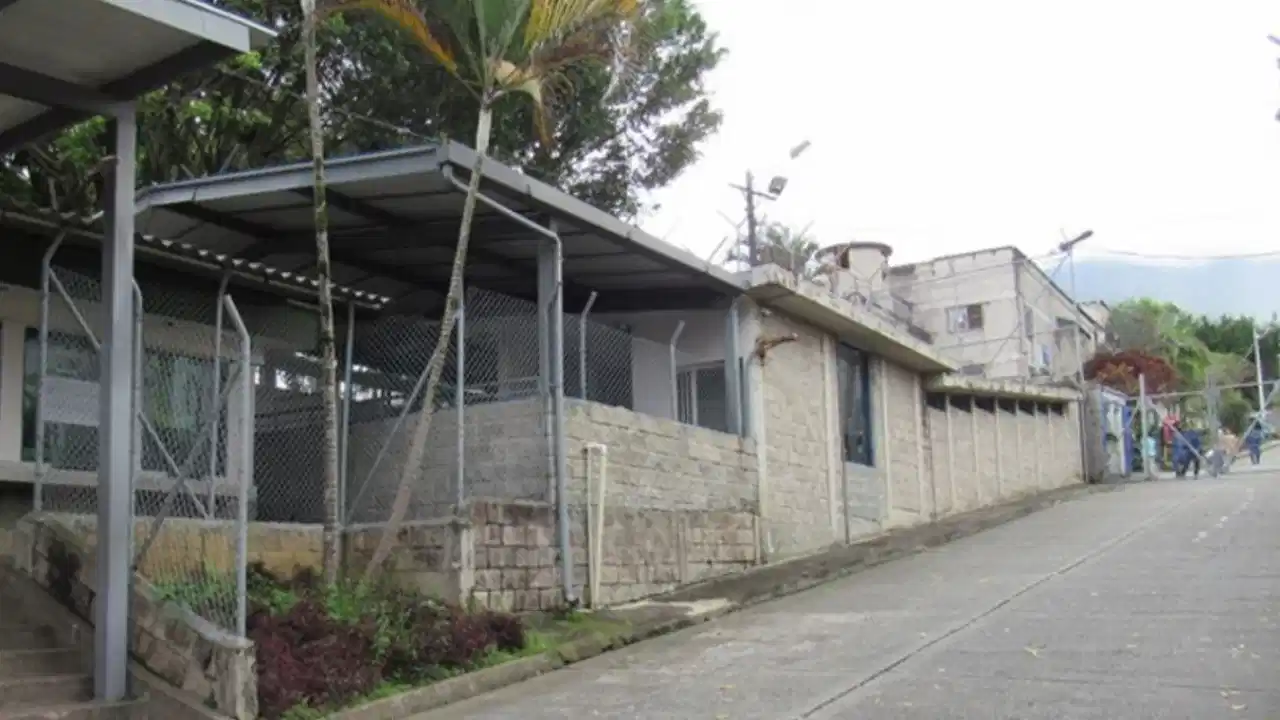
The discovery of an astonishing array of contraband, including refrigerators, televisions, Wi-Fi modems, and air conditioning units, within the La Paz prison in Itagüí, Colombia, has led to the immediate suspension of eleven prison officials and the transfer of two high-ranking administrators. The shocking revelation came to light following viral videos and images depicting what has been described as a "parranda vallenata" – a lively Vallenato music party – held inside the correctional facility. This incident has not only exposed severe security lapses but has also ignited a national conversation about control and oversight within the Colombian penitentiary system.
Unprecedented Discoveries Amidst a Festive Atmosphere
The scale of the discovered contraband is unprecedented for a Colombian prison. Elite units from the National Penitentiary and Prison Institute (INPEC) conducted extensive inspections across various pavilions, with a particular focus on high-security areas. The operation yielded a staggering collection of prohibited items, painting a picture of a deeply compromised security environment. Among the seized items were:
- Sixty-two refrigerators: A stark symbol of the luxury and comfort that had infiltrated the prison, far removed from the austere conditions expected within a correctional facility.
- Seven televisions: Providing entertainment and potentially access to external information without proper oversight.
- Three mobile phones and one Wi-Fi modem: These devices are critical for communication and could facilitate illicit activities, including the organization of further transgressions.
- One laptop and one tablet: These devices offer even greater potential for unauthorized communication and information access.
- Numerous fans and air conditioning units: Indicating a level of comfort and environmental control that is incongruent with the prison’s purpose.
- Deep fryers, barrels, and sound equipment: Suggesting organized events and possibly large-scale food preparation beyond standard inmate rations.
- Illicit substances: Authorities also discovered 1,323 grams of what is believed to be marijuana (material vegetal) and 271 grams of powdered drugs, underscoring the presence of criminal activity within the prison walls.
The presence of such a vast quantity of prohibited items suggests a systemic failure in security protocols and internal controls, allowing these items to be smuggled in and utilized over an extended period.
A "Vallenato Party" Unveils Deep-Seated Irregularities
The catalyst for this widespread inspection and subsequent sanctions was the public dissemination of media content showcasing a Vallenato music celebration within the prison. The videos and images revealed a stark contrast between the intended punitive environment and the festive atmosphere depicted. Critically, the security footage captured during the event highlighted profound deficiencies in the entry and supervision protocols.
During the ingress of visitors, including prominent figures like Vallenato singer Nelson Velásquez and his entourage, security checkpoints appeared to be inadequately manned. Instead of uniformed correctional officers, individuals dressed in civilian attire were observed controlling access at the main entrance. This lax oversight allowed numerous attendees to bypass standard verification procedures, raising serious questions about who was permitted entry and under what conditions.
Further compounding the concerns, the footage identified individuals who, by their physical presentation, suggested a need for assistance to walk, and at least one person who appeared to be a minor. The official explanation for the gathering was the birthday celebration of an inmate, allegedly funded by multiple prisoners. This detail suggests a level of organization and resource mobilization among inmates that is deeply troubling.
Official Response: Accountability and Systemic Overhaul
In response to the egregious security breaches, the INPEC has taken swift and decisive action. Eleven officials who were on duty during the "parranda vallenata" have been suspended from their positions pending further investigation into their roles and responsibilities in allowing the event and the contraband to proliferate.
Moreover, the INPEC has ordered the transfer of two key administrators: Lieutenant Fabián León, who will be reassigned to the Bello prison, and Fredy Antonio Cipriano, the acting director of the Itagüí facility, who will be transferred to the Jamundí prison. These moves signal an intent to break any potential complicity or ingrained systemic issues within the Itagüí prison administration.
Beyond personnel changes, the INPEC has also initiated disciplinary investigations to ascertain accountability for the security failures. The institute has emphasized that these measures are not merely punitive but are designed to reinforce internal controls and security protocols. The objective is to prevent any recurrence of such incidents and to uphold the integrity of the correctional system.
Broader Implications for Prison Security in Colombia
The Itagüí prison scandal is not an isolated incident but rather a symptom of broader challenges facing the Colombian penitentiary system. Reports of corruption, contraband smuggling, and the infiltration of criminal organizations within prisons have been persistent concerns for years. The scale of the contraband found in Itagüí, however, elevates this incident to a new level of severity, demanding a comprehensive review of existing security frameworks.
Supporting Data:
According to the Colombian Ombudsman’s Office, overcrowding remains a significant issue in many Colombian prisons, with some facilities operating at over 200% capacity. Overcrowding often exacerbates security challenges, creating fertile ground for corruption and the illicit trade of goods and services within the prison system. While specific data on contraband seizures in previous years for the La Paz prison is not readily available in this report, the sheer volume and variety of items found in Itagüí suggest a breakdown in routine checks and surveillance mechanisms that are crucial for preventing such infiltration.
The ease with which luxury items like air conditioners and multiple refrigerators were brought into the prison points to potential collusion between inmates and corruptible staff, or a profound oversight in the vetting of visitors and the inspection of incoming goods. The presence of Wi-Fi and mobile devices further amplifies the risk, as these can be used to coordinate criminal activities outside prison walls and to maintain connections with external criminal networks.
Chronology of Events (Inferred):
- Pre-event: Planning and coordination of the inmate’s birthday celebration, including the acquisition and smuggling of contraband items. This phase likely involved significant planning and potentially bribery or coercion of prison staff.
- Event Day: The "parranda vallenata" takes place, characterized by music, celebration, and the visible presence of contraband. Security footage from this day becomes crucial evidence.
- Post-event Discovery: Viral dissemination of videos and images of the party and contraband.
- Immediate INPEC Response: Initiation of inspections, identification of security lapses, and the suspension of eleven officials.
- Administrative Sanctions: Transfer of the acting director and another senior official.
- Ongoing Investigations: Disciplinary and potentially criminal investigations into individuals involved, including inmates and staff.
The incident also raises critical questions about the effectiveness of visitor screening processes. The apparent presence of individuals requiring assistance to walk and a suspected minor entering the facility without apparent rigorous scrutiny suggests a systemic vulnerability that could be exploited for nefarious purposes.
Analysis of Implications: A Call for Systemic Reform
The Itagüí prison scandal has profound implications for the Colombian state’s ability to maintain order and security within its correctional facilities. It underscores the urgent need for:
- Enhanced Staff Training and Integrity Checks: A thorough review of the vetting and ongoing integrity monitoring of prison personnel is paramount. Corruption can undermine even the most robust security systems.
- Technological Upgrades: Investing in advanced surveillance technology, including sophisticated X-ray scanners for both individuals and goods, and improved digital monitoring systems, can significantly enhance detection capabilities.
- Intelligence Gathering and Inmate Monitoring: Proactive intelligence gathering within prisons to identify organized criminal activities and potential security threats is crucial. This includes more rigorous monitoring of inmate communications and movements.
- Review of Visiting Policies: A re-evaluation of visitor policies, including stricter screening protocols and potentially limiting the types of items permitted, is necessary. The case of the individual appearing to be a minor warrants particular attention to child protection within such environments.
- Addressing Root Causes: While immediate punitive measures are necessary, a long-term strategy must also address the underlying issues that contribute to corruption and contraband, such as staff morale, adequate compensation, and the broader societal factors that contribute to criminality.
The INPEC’s commitment to reinforcing controls and protocols is a necessary step. However, the true test will lie in the sustained implementation of these reforms and the willingness to address systemic weaknesses proactively. The "parranda vallenata" at Itagüí serves as a potent reminder that the battle against contraband and corruption within prisons requires constant vigilance, unwavering commitment to integrity, and a willingness to adapt and evolve security measures in the face of emerging challenges. The public expects transparency and accountability, and the INPEC’s actions moving forward will be closely scrutinized to determine the effectiveness of its response to this significant breach of security.

0 Comments