
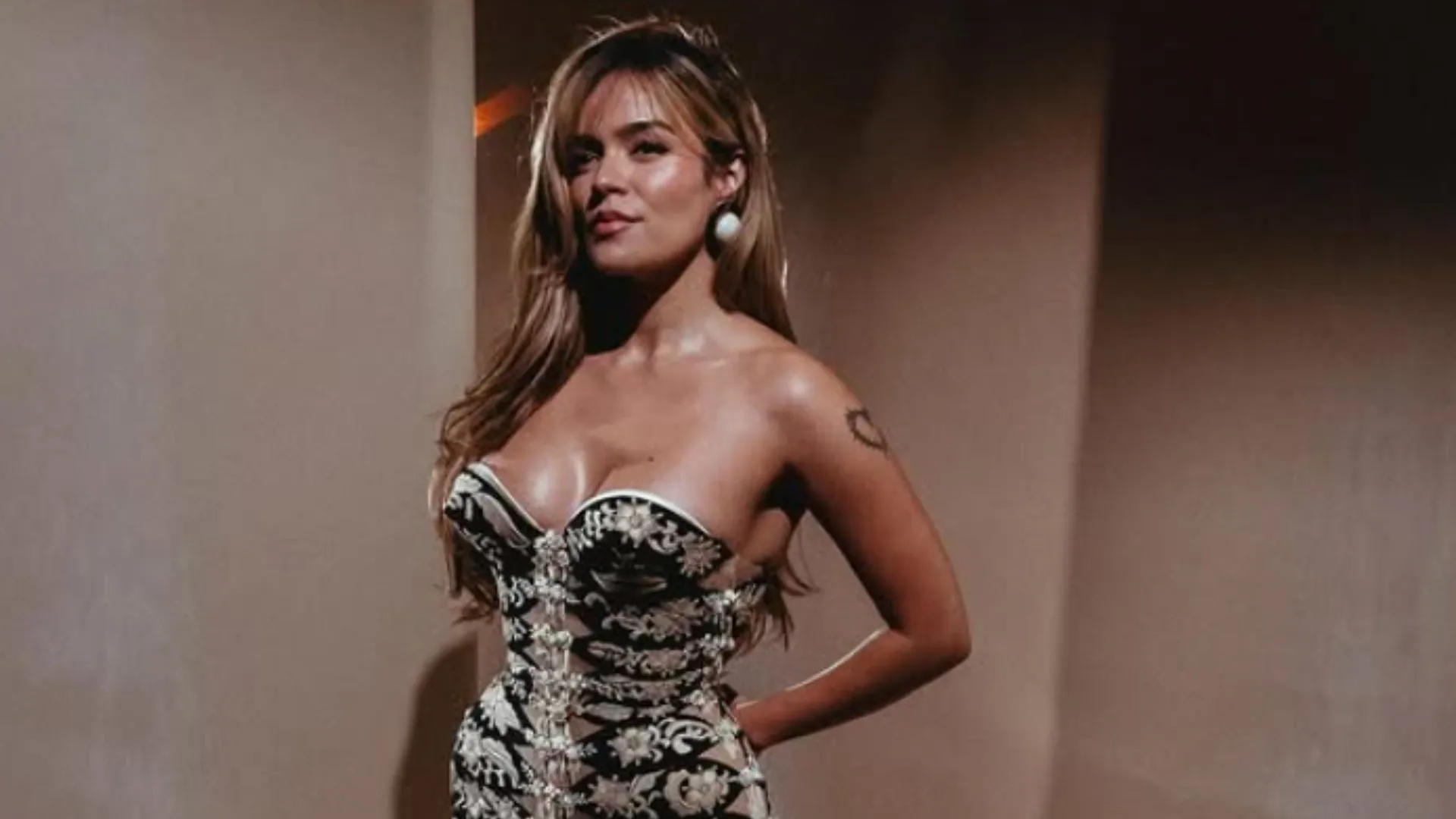
Karol G, the global music sensation and Latin American superstar, has revealed significant pressure from her inner circle regarding potential statements about U.S. Immigration and Customs Enforcement (ICE) during her highly anticipated performance at the Coachella Valley Music and Arts Festival in 2026. The artist shared in a candid interview with Playboy magazine that she has been advised to exercise extreme caution with her on-stage discourse, particularly concerning sensitive topics like immigration policies, due to potential repercussions on her immigration status within the United States. This revelation brings to the forefront the complex intersection of artistic expression, international platforms, and the precarious realities faced by artists navigating the U.S. immigration system.
The advice, reportedly originating from her professional team, underscores a climate of apprehension surrounding public pronouncements by foreign artists at major U.S. events. Karol G recounted hearing sentiments such as, "It’s better that you don’t do it," and direct warnings like, "because if you say something, maybe the next day you’ll get a call: ‘Hey, we’re going to take away your visa.’" These statements highlight the tangible fears of artists whose livelihoods and ability to perform in the U.S. are directly tied to their visa status, creating an environment where political or social commentary can carry significant personal risk.
The Coachella Context: A Global Stage for Influence and Scrutiny
Coachella, held annually in Indio, California, is not merely a music festival; it is a globally recognized cultural phenomenon. Attracting hundreds of thousands of attendees and billions in economic impact, it serves as a crucial platform for artists to connect with a massive audience, showcase their artistry, and often, to convey powerful messages. For an artist of Karol G’s stature, a Coachella performance represents a career pinnacle, offering unparalleled visibility and an opportunity to reinforce her global brand. However, this prominence also places her under a microscope, where every word and action can be amplified and scrutinized.
The festival’s history includes numerous instances where artists have used their platform to address social and political issues, from advocating for environmental causes to protesting government policies. These moments often resonate deeply with audiences and contribute to the cultural narrative surrounding the event. Yet, the potential for such commentary to elicit backlash or, as in Karol G’s case, raise concerns about regulatory action, reveals the delicate balancing act artists must perform.
Navigating the Tightrope: Freedom of Expression vs. Immigration Realities
Karol G’s experience reignites a long-standing debate about the boundaries of artistic freedom, particularly for international artists performing in the United States. The U.S. visa system for artists, often categorized under P visas (for athletes and entertainers) or O visas (for individuals with extraordinary ability), requires adherence to specific terms and conditions. While these visas grant the privilege to work and perform in the U.S., they are not without their stipulations, and any perceived violation or controversial public stance could theoretically jeopardize an artist’s ability to secure future visas or maintain their current status.
This situation is not unique to Karol G. Many international artists grapple with similar considerations. The U.S. government, through agencies like the Department of Homeland Security (which oversees ICE), has the authority to review visa applications and revoke privileges based on a variety of factors, including past conduct and public statements. While direct censorship is not officially sanctioned in the context of artistic expression at a private event, the implicit threat of visa complications creates a self-censoring effect. Artists, understanding the high stakes, may opt to avoid potentially contentious topics to ensure their continued ability to work and thrive in the lucrative U.S. market.
Background: Karol G’s Ascent and Cultural Impact
Carolina Giraldo Navarro, professionally known as Karol G, has become one of the most influential figures in contemporary Latin music. Her rise to global superstardom has been marked by a series of chart-topping hits, sold-out tours, and a powerful connection with her fanbase, particularly young women. She has consistently championed themes of female empowerment, self-love, and resilience, resonating deeply with a generation that seeks authentic representation in music. Her music, a blend of reggaeton, Latin trap, and pop, has broken barriers and achieved mainstream success, earning her numerous awards and accolades, including multiple Latin Grammy Awards.
Her advocacy and outspokenness on various social issues, including the importance of celebrating Latin heritage and supporting women in music, have endeared her to millions. This public persona makes the reported pressure to self-censor even more significant, as it suggests that even artists with substantial influence may feel constrained by external pressures when addressing politically charged subjects.
Timeline of Considerations
- Pre-2026: Karol G achieves significant global recognition, solidifying her status as a leading artist in Latin music. Her music and public persona consistently advocate for empowerment and authenticity.
- Early 2026: Announcement of Karol G’s participation in the Coachella 2026 lineup generates widespread excitement among fans and industry observers.
- Leading up to Coachella 2026: In conversations with Playboy magazine, Karol G reveals that her professional team has advised her to refrain from discussing ICE or related immigration matters during her Coachella performance due to potential immigration status repercussions.
- Present (April 11, 2026): News of Karol G’s reported pressure to self-censor regarding ICE at Coachella breaks, sparking broader discussions about artistic freedom and immigration policies for foreign artists in the U.S.
Supporting Data and Analysis
The U.S. music industry is a significant global market, with international artists generating substantial revenue through touring, record sales, and streaming. For Latin artists, the U.S. market represents a critical segment of their global reach. According to the RIAA (Recording Industry Association of America), Latin music has seen exponential growth in recent years, with streaming revenues playing a pivotal role. This economic reality amplifies the importance of visa access and the ability to perform in the U.S.
The U.S. Department of Homeland Security, through ICE, is responsible for enforcing immigration laws. While their mandate is to secure the nation, their actions and the perceived threat of their enforcement can have a chilling effect on free speech, particularly for non-citizens who are guests in the country. The power to grant or deny visas, or to revoke existing ones, provides a potent, albeit indirect, mechanism for influencing public discourse.
Potential Reactions and Broader Implications
The revelation of Karol G’s situation is likely to draw reactions from various stakeholders:
- Fans: Many fans, who admire Karol G for her authenticity and outspokenness, may express disappointment or anger at the perceived censorship. They might rally behind her, encouraging her to speak her truth regardless of the risks.
- Artist Advocacy Groups: Organizations dedicated to protecting artists’ rights and freedom of expression are likely to highlight this case as an example of the pressures faced by international artists. They may call for clearer guidelines or protections for artists engaging in political or social commentary.
- Immigration Lawyers and Experts: These professionals might offer insights into the legal framework governing artist visas and the specific risks associated with making statements about immigration enforcement agencies. They could also shed light on the nuances of what constitutes a violation that could lead to visa revocation.
- Political Commentators and Media: The story could be framed within broader political discussions about immigration policy, free speech, and the influence of global entertainment on cultural and political landscapes.
The broader implications of Karol G’s experience extend beyond her personal situation. It raises critical questions about:
- The extent to which artists can engage with social and political issues on international platforms without fear of reprisal.
- The role of immigration policy in potentially stifling artistic and cultural exchange.
- The responsibility of artists and their teams in balancing artistic integrity with the practical realities of navigating international legal systems.
- The power dynamics between artists, their management, and governmental agencies.
While Karol G has acknowledged the warnings and the need for responsibility given the international scale of Coachella, her ultimate decisions regarding her on-stage message will be closely watched. Her platform provides a unique opportunity to not only entertain but also to spark important conversations, even if the path to doing so is fraught with caution and potential consequences. The pressure she faces serves as a stark reminder of the complex challenges that artists navigate in an increasingly interconnected and politically charged world.

0 Comments