
 Julia Chirkova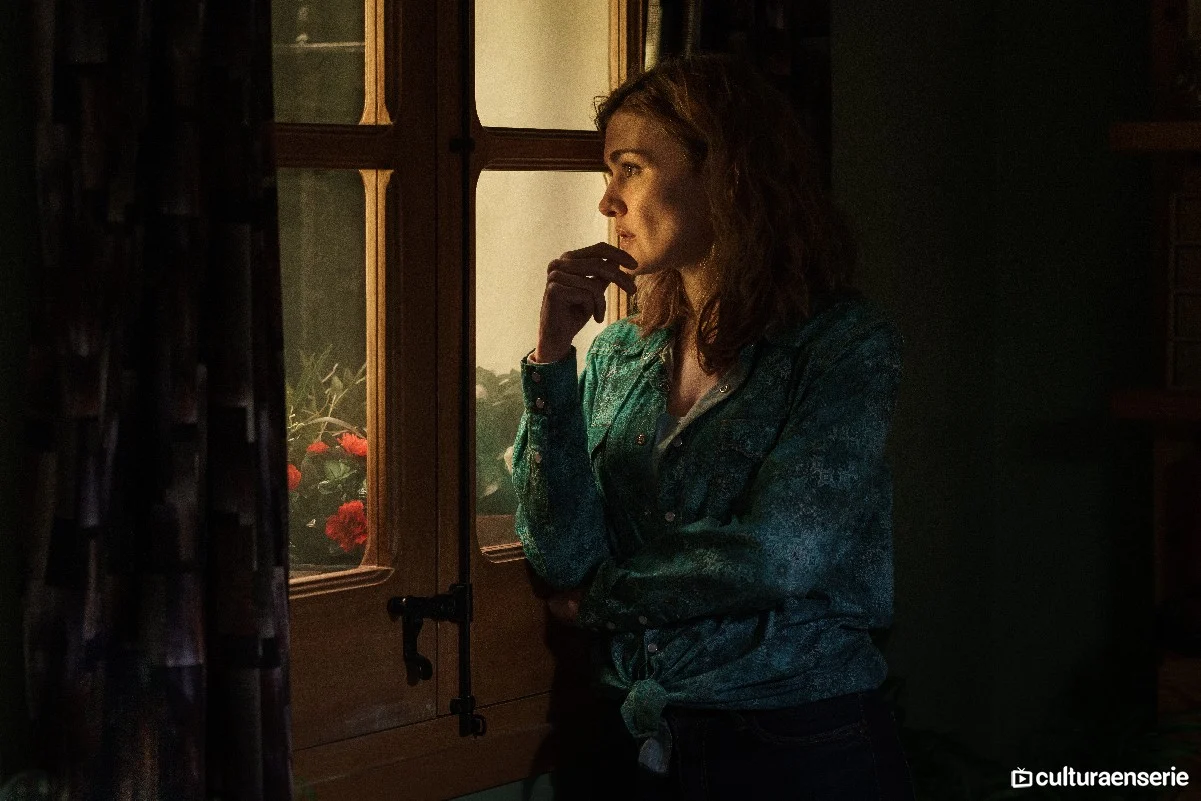
In 2026, the landscape of Spanish television production is characterized by an unprecedented surge in the creation of new series. Never before have so many Spanish-language productions premiered, reflecting a vibrant and dynamic industry. However, this boom is juxtaposed with a concerning trend: securing a second season for a promising show has become increasingly arduous, a stark contrast to previous eras where critical acclaim or audience buzz often guaranteed continuation. This new paradigm is reshaping how content is commissioned, evaluated, and ultimately, sustained, leaving several ambitious projects in an uncertain limbo.
The decision-making process for series renewals has evolved significantly. No longer is the primary determinant the immediate social media chatter, glowing reviews, or a strong showing in popular viewing rankings. Instead, a more calculated and often colder calculus prevails. Factors such as the production cost, the overarching annual strategic roadmap of the streaming platform or television network, and a series’ demonstrable capacity to maintain audience engagement beyond its initial release are now paramount. This shift has resulted in a number of recent Spanish productions finding themselves in an uncomfortable predicament. Some have faced outright cancellations, despite clearly possessing narrative threads ripe for further exploration. Others are caught in the familiar purgatory of the streaming era, where an official confirmation of an ending never materializes, but the relentless passage of time effectively serves as the final verdict.

This new reality is particularly poignant for Spanish series that, due to their ambition, innovative concepts, or cliffhanger endings, seemed intrinsically designed for longevity. These shows, once poised to build upon their initial success, are now emblematic of the challenges faced by creators and producers in a hyper-competitive and data-driven market. The following series represent key examples of this evolving dynamic, illustrating the precarious nature of serial storytelling in the current media environment.
"El Refugio Atómico": A High-Concept Bet That Didn’t Pay Off
One of the most striking examples of this trend is "El Refugio Atómico" (The Atomic Shelter), Netflix’s ambitious production released in September 2025. Created by the acclaimed duo Álex Pina and Esther Martínez Lobato, known for their global hits, the series was positioned as a high-stakes, large-scale fiction. Its premise—a group of millionaires confined to a luxurious bunker while the outside world descends into chaos—offered fertile ground for continued storytelling. The production boasted a significant investment, indicative of its perceived potential.
On paper, "El Refugio Atómico" possessed all the hallmarks of a series destined for growth. Its meticulously crafted universe was designed for expansion, not for a narrative resolution within a single eight-episode season. However, in a move that vividly illustrates the unforgiving nature of the current market, Netflix ultimately decided to cancel the series after its inaugural season. This decision underscores a critical shift: simply appearing grand or conceptually compelling is no longer sufficient. A series must rapidly justify its ongoing existence and demonstrate a clear path to continued audience captivation and profitability. The cancellation of "El Refugio Atómico" serves as a potent reminder that even high-profile projects with strong creative pedigrees are subject to rigorous financial and strategic evaluations.

"Olympo": Youthful Ambition Stalled by Shifting Platform Priorities
Similarly, "Olympo" faced an abrupt end, despite its apparent suitability for ongoing development. This youth-oriented drama, set within a high-performance sports academy, incorporated several narrative elements that typically signal a strong potential for continuity. The presence of young protagonists, inherent rivalries, simmering secrets, intense competitive pressure, and a storytelling structure designed for gradual unveiling and thematic layering all suggested a series built for the long haul.
"Olympo" was, in essence, a series with a built-in "serial engine," capable of reinventing its conflicts season after season without sacrificing its core identity. Yet, Netflix opted not to renew it, leaving the series with a solitary installment. This decision was made despite the show’s visibility and its status as a notable investment within the recent landscape of Spanish fiction. The fate of "Olympo" confirmed a growing sentiment: the youth genre, which once benefited from a degree of creative patience, now operates under the same stringent demands for immediate and sustained success as other categories. The era of allowing such series to organically develop their audience and narrative arcs appears to be receding.
"Manual para Señoritas": Visible Success Does Not Guarantee Continuation
Perhaps even more perplexing was the cancellation of "Manual para Señoritas" (A Manual for Young Ladies). Its discontinuation reinforced a prevailing industry notion: visible success does not automatically translate into longevity. Produced by Bambú Producciones, this period drama offered a lighthearted, exportable premise with ample room for a subsequent season. Its tone, setting, and the nature of its concluding episodes strongly suggested the potential for further installments.

In a different era of streaming, a series like "Manual para Señoritas" would likely have been renewed almost by default. However, this was not the case. Netflix’s decision not to proceed with a second season highlighted that even series with international appeal can be sidelined if they do not align perfectly with a platform’s profitability equation. The series’ ability to garner international attention, a key metric for many streaming services, was apparently not enough to overcome other strategic considerations. This case demonstrates the complex interplay of factors that now dictate renewal, moving beyond simple viewership or critical reception.
"Feria: La Luz Más Oscura": A Frustrating Unfinished Mythology
In the realm of genre fiction, "Feria: La Luz Más Oscura" (Feria: The Darkest Light) remains one of the most frustrating examples of unrealized potential. The series masterfully blended rural horror, adolescent angst, cult dynamics, and supernatural mystery within a narrative framework clearly not designed for a singular, self-contained conclusion.
The series’ primary promise lay in its ambitious construction of a unique mythology—a type of storytelling that necessitates time to establish, deepen, and fully deploy its thematic and narrative possibilities. Consequently, its abrupt conclusion was particularly disappointing. Netflix confirmed that a second season would not be produced, leaving the project feeling unfinished, as if it were halted just as it began to unlock its most intriguing avenues. This outcome suggests that the long-term development of complex fictional universes is becoming increasingly difficult in a market that often prioritizes immediate impact over sustained world-building.

"Reyes de la Noche": A Unique Voice Silenced Mid-Development
"Reyes de la Noche" (Kings of the Night) also warrants inclusion in this discussion, representing a peculiar case where cancellation occurred even as a second season was reportedly in preparation. The series, a Movistar Plus+ original loosely inspired by the intense radio sports commentary rivalries in Spain, possessed a quality increasingly rare in contemporary television: a distinct and recognizable personality. Its unique blend of satire, historical context, and ego-driven drama imbued it with an unmistakable identity.
The series did not appear to be narratively exhausted; rather, it seemed to be just gaining momentum. Its premature halt was therefore particularly revealing. The cancellation was not necessarily a reflection of a flawed product but rather an illustration of how shifting industrial priorities, changes in strategic alignment, or even external market pressures can override creative momentum. This instance underscores that renewal decisions are not always solely based on a series’ intrinsic quality or audience reception.
"Alma": The Unfulfilled Promise of Supernatural Thrills
Then there are the series that remain in a state of suspended animation, not officially declared over, but languishing in a prolonged period of waiting for a renewal that shows no signs of materializing. "Alma" falls squarely into this category. Its compelling blend of supernatural thriller elements, adolescent trauma, and dark mythology was clearly structured for continuation, not for a definitive conclusion akin to a classic miniseries.

The overriding sensation upon finishing the first season of "Alma" was one of anticipation for the next piece of the puzzle. However, the series remains associated with a single season, with no public indications of a forthcoming continuation. In practical terms, this places "Alma" among the growing number of recent Spanish productions that signaled immense potential for more but have been effectively stalled by silence. The series’ narrative ambition seems to have outpaced the industry’s willingness or capacity to greenlight its continuation.
"La Valla": A Dystopian Vision That Didn’t Leap the Wall
A similar situation unfolds with "La Valla" (The Fence), though its case offers a particularly insightful glimpse into the evolving hybrid consumption ecosystem. While its performance in traditional linear broadcasting was inconsistent, the series found a significant second life through on-demand viewing and a notable sustained presence on Netflix.
"La Valla" presented a dystopian world with a universe ripe for expansion. Its premise allowed for the amplification of political and human conflicts, suggesting a narrative arc that could extend far beyond its initial outing. Yet, this continuation never materialized. This outcome demonstrates that a series can function effectively as a catalog title, generate conversation, and achieve post-broadcast relevance, but still fail to secure the renewal that might have once seemed more logical or inevitable. The series’ success in the streaming realm did not automatically translate into a green light for further episodes, highlighting the complex metrics now at play.

The Evolving Calculus of Series Renewal
The collective experiences of these series paint a clear picture of the current state of Spanish fiction. The path to a second season is no longer solely determined on screen; it is now heavily negotiated in boardrooms, on spreadsheets, and within intricate brand strategies. A series can receive positive evaluations, possess significant narrative potential, and even conclude with overt narrative openings, yet still fail to achieve continuity. What was once considered a natural progression is now a renewed gamble, requiring justification seemingly from scratch.
This situation makes the solitary success of a strong first season particularly disheartening. It signifies not only the loss of a story’s continuation but also the forfeiture of an opportunity for a series to refine its direction, sharpen its tone, and truly realize its latent potential. In an era characterized by prolific production, the margin for slow, organic growth is diminishing. This paradox defines much of contemporary Spanish television: an abundance of content, yes, but also an increasing number of series destined to remain as mere promises, their full potential locked away by the new realities of the industry. The challenge for creators and broadcasters alike is to navigate this complex landscape, finding ways to nurture promising narratives beyond their initial launch, ensuring that ambition is not perpetually overshadowed by economic and strategic expediency.


 Eva Lovia
 Julia Prastini
 Jia Lissa
 admin
admin
 Raisa Andriana