
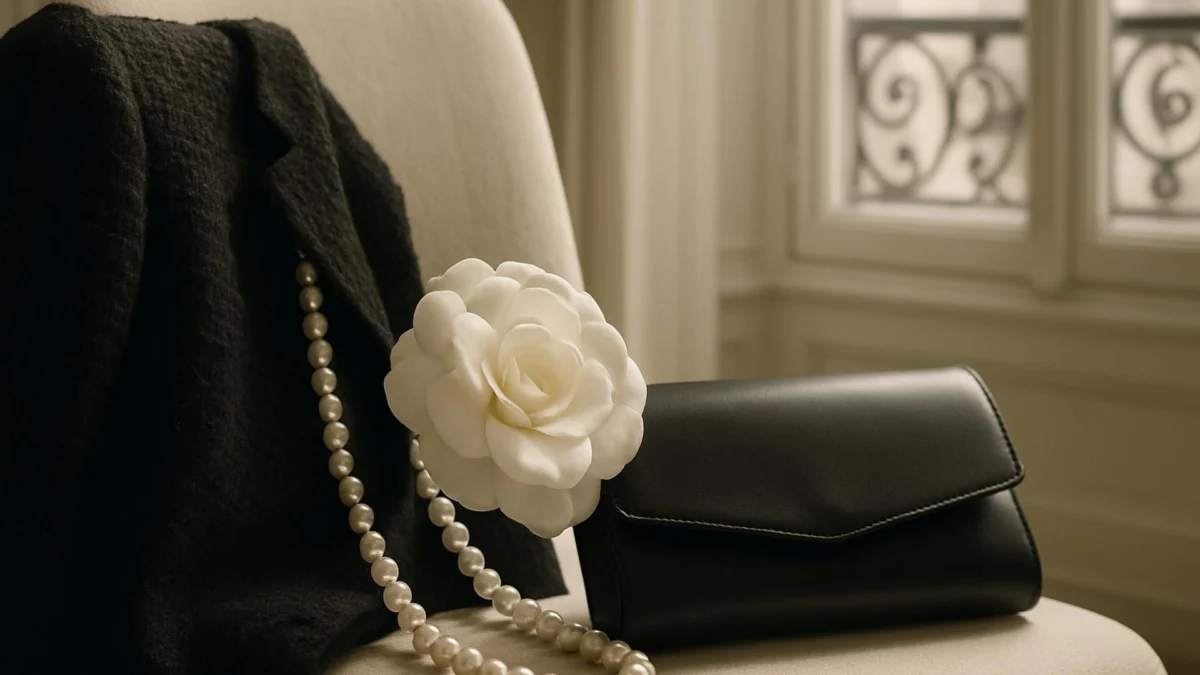
The enduring allure of Chanel transcends the mere cycles of the fashion industry, positioning itself as a permanent fixture in the global cultural lexicon. As the fashion world increasingly pivots toward "quiet luxury"—a movement defined by understated elegance, artisanal craftsmanship, and a rejection of overt logomania—Chanel stands as the foundational architect of this aesthetic. For over a century, the house has maintained a delicate balance between historical reverence and contemporary relevance, ensuring that its signature codes—tweed, pearls, camellias, and the interlocking C’s—remain symbols of high-status sophistication. To understand the depth of the brand is to understand the evolution of modern womanhood, a journey that begins with the revolutionary spirit of Gabrielle "Coco" Chanel and continues through the meticulously curated collections of her successors.
The Genesis of a Revolution: Gabrielle Chanel’s Vision
The history of Chanel is inextricably linked to the personal biography of its founder. Born into poverty in 1883, Gabrielle Chanel’s ascent was marked by a defiance of the rigid social and sartorial structures of the early 20th century. Before Chanel, women’s fashion was defined by the restrictive corset, voluminous skirts, and ornate embellishments that limited physical mobility. Chanel’s primary contribution to the 20th-century zeitgeist was the liberation of the female silhouette.
By 1910, Chanel opened her first millinery shop, "Chanel Modes," at 21 Rue Cambon in Paris. However, it was her move to Deauville and Biarritz that allowed her to experiment with jersey—a fabric previously reserved for men’s undergarments. This choice was both pragmatic and radical; during the First World War, traditional luxury fabrics were in short supply, and jersey offered a fluidity that aligned with the active lifestyles of modern women. This era marked the birth of the "sporting look," a precursor to the contemporary athleisure movement, yet executed with a level of refinement that remains unmatched.

A Chronology of Innovation: The Pillars of the House
The timeline of Chanel is punctuated by the introduction of "icons"—pieces of design so influential they have moved beyond fashion into the realm of historical artifacts.
In 1921, the house launched Chanel No. 5. Created by perfumer Ernest Beaux, it was the first fragrance to use synthetic aldehydes to enhance its floral notes, resulting in a scent that was "composed" rather than a mere imitation of a single flower. Its minimalist, laboratory-style bottle was a stark contrast to the ornate crystal flacons of the era, signaling a new age of modernism.
The year 1926 saw the debut of the Little Black Dress (LBD). American Vogue famously dubbed it the "Chanel ‘Ford’," predicting it would become "a sort of uniform for all women of taste." Prior to this, black was strictly associated with mourning. Chanel transformed it into the ultimate expression of chic versatility.
Following a period of retirement and the upheaval of World War II, Gabrielle Chanel returned to the fashion world in 1954 at the age of 71. Critics initially dismissed her collection as outdated, but the international market—particularly in the United States—embraced her new tweed suits. These suits, characterized by their boxy jackets, braided trim, and gilt buttons, offered a sophisticated alternative to the highly structured "New Look" of Christian Dior. In 1955, she introduced the 2.55 quilted handbag, named after its date of creation (February 1955). The addition of a shoulder strap was a revolutionary functional detail, allowing women to keep their hands free—a gesture of independence that remains a core value of the brand.

The Lagerfeld Era and the Preservation of Legacy
Following the death of Gabrielle Chanel in 1971, the house faced a period of stagnation until the appointment of Karl Lagerfeld as Creative Director in 1983. Lagerfeld is credited with the most successful brand resuscitation in fashion history. He understood that to save Chanel, he had to play with its history rather than simply replicate it.
Lagerfeld transformed the interlocking C logo into a global icon, applied it to everything from surfboards to oversized jewelry, and reinvented the tweed suit for every generation. His tenure, which lasted until his death in 2019, was defined by monumental runway shows at the Grand Palais in Paris, where he constructed elaborate sets—a space station, a supermarket, a beach, and a Parisian street—to frame his collections. This theatricality ensured that Chanel remained the most talked-about brand in the digital age, even as it maintained its traditional haute couture ateliers.
Under the subsequent leadership of Virginie Viard, who stepped down in 2024, the house focused on a softer, more feminine interpretation of the Chanel codes. Viard emphasized the "wearability" of the collections, leaning into the brand’s heritage of effortless Parisian style. Her departure has sparked intense speculation within the industry regarding the next chapter of the house, as it seeks a visionary capable of navigating the complexities of the 21st-century luxury market.
Economic Resilience and Market Performance
Chanel remains one of the few major luxury houses that is privately owned, held by the Wertheimer family, whose association with the brand dates back to the 1924 partnership for the production of Chanel No. 5. This private status allows the brand to prioritize long-term brand equity over short-term quarterly earnings, a strategy that has proven immensely profitable.

According to the brand’s financial reports for 2023, Chanel’s revenue reached a staggering $19.7 billion, a 16% increase compared to the previous year. This growth was driven by high demand across all categories, particularly in leather goods and ready-to-wear. Despite global economic volatility, the brand has successfully implemented a "price harmonization" strategy, which involves regular price increases to maintain exclusivity and offset currency fluctuations.
Furthermore, Chanel has made significant investments in its supply chain. The "19M" building in Paris serves as a dedicated hub for the Métiers d’Art—the specialized workshops including Lesage (embroidery), Lemarié (feathers and flowers), and Massaro (shoemaking). By acquiring these heritage craft houses, Chanel ensures the survival of the artisanal skills required to produce haute couture, effectively future-proofing the brand against the rise of mass-produced luxury.
Analysis of the "Quiet Luxury" Phenomenon
The current cultural obsession with "quiet luxury" has reinforced Chanel’s position as a market leader. Unlike brands that rely on transient trends, Chanel’s aesthetic is rooted in "the permanent." A Chanel jacket purchased in 1990 remains as stylistically relevant today as a piece from the latest collection. This longevity is the ultimate hallmark of luxury.
Industry analysts suggest that in an era of "logofatigue," consumers are gravitating toward brands that offer a sense of history and stability. Chanel’s refusal to sell its core fashion collections—ready-to-wear, handbags, and shoes—online is a calculated move to preserve the "human connection" and the prestige of the in-store experience. While the brand has embraced digital marketing and social media, the physical acquisition of a Chanel piece remains a ritualistic experience.

Broader Impact and Global Influence
The influence of Chanel extends far beyond the runway. It is a frequent subject of academic study, museum retrospectives, and cinematic portrayals. The brand’s ability to translate its heritage into contemporary desire is seen in its choice of ambassadors, which ranges from Hollywood royalty like Margaret Qualley and Penélope Cruz to K-pop icons like Jennie of Blackpink. This cross-generational appeal ensures that the brand’s "codes" are recognized by diverse audiences worldwide.
As the industry faces increasing pressure regarding sustainability and ethical production, Chanel has committed to "Mission 1.5°," a climate strategy aimed at reducing its carbon footprint and investing in nature-based solutions. The house’s focus on durability—creating items intended to last a lifetime—aligns with the principles of the circular economy, encouraging consumers to view luxury purchases as long-term investments rather than disposable commodities.
Conclusion: The Test of Time
The quiz presented by Marie Claire is more than a simple exercise in trivia; it is a testament to the brand’s integration into our collective consciousness. Whether one recognizes a Chanel item through the specific "hand" of its tweed or the strategic placement of a camellia, the recognition itself is a tribute to a century of meticulous branding and visionary design.
As the house of Chanel prepares for its next creative evolution, it does so from a position of unprecedented strength. By honoring the radical spirit of Gabrielle Chanel and the transformative brilliance of Karl Lagerfeld, the brand continues to define what it means to be elegant in a changing world. In the words of Coco Chanel herself, "Fashion fades, only style remains the same." It is this unwavering commitment to a singular, recognizable style that ensures Chanel will remain the ultimate benchmark of luxury for generations to come.

0 Comments