
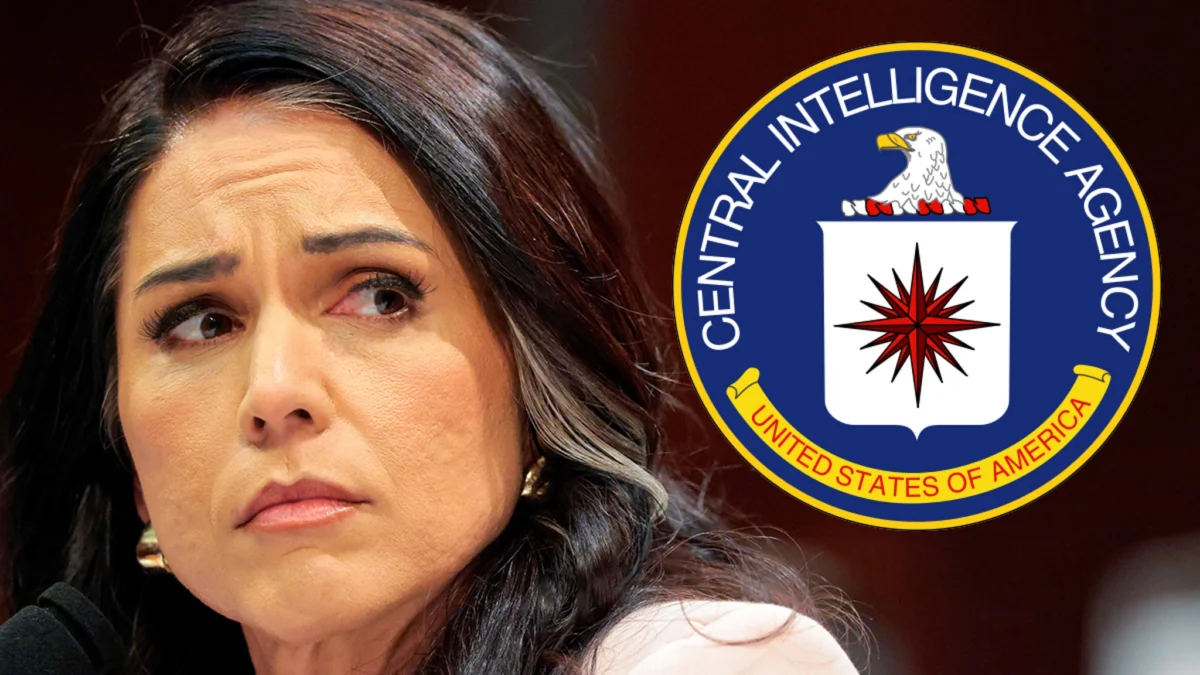
Reports alleging that the Central Intelligence Agency (CIA) conducted a raid on the office of the Director of National Intelligence (DNI), Tulsi Gabbard, to seize highly sensitive documents related to the assassination of President John F. Kennedy (JFK) were swiftly and unequivocally denied by the DNI’s spokesperson on Wednesday evening, May 13, 2026. The spokesperson utilized the social media platform X to issue a concise but definitive statement: "This is false — the CIA did not raid the DNI’s office." This official denial came just hours after the explosive claims began circulating, sparking a brief but intense flurry of speculation and political outrage across various media channels and congressional offices.
The Genesis of the Allegations
The sensational claims first emerged during a Senate Homeland Security Committee hearing on Wednesday. According to a report by Fox News personality Jesse Watters, a self-identified "Fauci whistleblower" named James Eardman III presented testimony in court earlier in the day, alleging that the CIA had taken possession of documents that were actively being prepared for public release by Director Gabbard’s office. The core of Eardman’s claim was that these documents pertained directly to the assassination of JFK, a subject that has long been a source of intense public fascination, scrutiny, and numerous conspiracy theories.
Watters’ report, amplified across various platforms, suggested an unprecedented and potentially unconstitutional inter-agency conflict. The idea that the CIA would "raid" the office of the DNI, the very office responsible for overseeing and integrating the intelligence activities of all 17 U.S. intelligence agencies, including the CIA itself, immediately raised alarms. Such an action, if true, would represent a profound breakdown in the chain of command and established protocols within the U.S. intelligence community, signifying an extraordinary power struggle at the highest levels of national security.
Immediate Political Fallout and Congressional Reaction
The allegations, even prior to official debunking, quickly ignited a firestorm in Washington. Representative Anna Paulina Luna (R-FL) was among the most vocal critics, taking to X to express her outrage and demand immediate action. Luna publicly warned the CIA that it had a 24-hour deadline to return the purported documents to Director Gabbard’s office. Failure to comply, she asserted, would result in her moving to issue a congressional subpoena. Representative Luna’s strong reaction underscored the gravity with which some members of Congress viewed the unsubstantiated reports, interpreting them as a potential act of defiance against a presidential executive order concerning declassification efforts.
The prospect of a congressional subpoena, particularly from a member of the House, against a major intelligence agency, highlights the significant oversight role Congress plays. Subpoenas are powerful tools used to compel testimony or the production of documents and are typically reserved for situations where there is perceived obstruction or non-compliance with legitimate governmental requests. The speed with which Rep. Luna threatened such action indicated the volatile political environment and the readiness of some lawmakers to challenge intelligence agencies, especially concerning matters of historical secrecy and transparency.
The Enduring Saga of JFK Declassification
The heart of the alleged controversy — the JFK assassination documents — taps into decades of public demand for transparency and a deep-seated distrust surrounding the official narrative of President Kennedy’s death in November 1963. The U.S. government has grappled with the release of these documents for many years, a process largely governed by the John F. Kennedy Assassination Records Collection Act of 1992 (the JFK Act). This landmark legislation mandated the collection and eventual public release of all government records related to the assassination, with a presumptive release date of October 26, 2017, unless the President certified that continued postponement was necessitated by an identifiable harm to military defense, intelligence operations, law enforcement, or the conduct of foreign relations, and that the public interest in disclosure was outweighed by such harm.
Since 2017, successive presidential administrations have authorized the release of hundreds of thousands of pages of previously classified documents. However, certain tranches of records, particularly those originating from the CIA and FBI, have continued to be withheld or redacted, citing national security concerns. Each deferral has reignited public debate and fueled speculation about what secrets might still be hidden within the archives. The public’s sustained interest is driven by a desire for a complete historical accounting, the prevalence of various conspiracy theories that challenge the Warren Commission’s findings, and a general demand for government transparency.
Against this backdrop, any claim of a raid specifically targeting JFK declassification documents would naturally be perceived as an attempt to suppress information vital to understanding a pivotal moment in American history. It would suggest that despite legislative mandates and presidential directives, powerful elements within the intelligence community might still be actively resisting full disclosure, potentially undermining the integrity of the declassification process and the public’s right to know.
Official Denial and Interagency Protocols
The DNI’s spokesperson’s swift and categorical denial served to deflate the burgeoning crisis. The statement, issued on a platform known for its rapid dissemination of information, aimed to quell speculation and reassure the public and Congress that no such extraordinary event had transpired. The Director of National Intelligence, a position established in 2004 following the 9/11 Commission’s recommendations, serves as the principal advisor to the President on intelligence matters and oversees the entire U.S. Intelligence Community (IC). This role inherently places the DNI in a supervisory position relative to agencies like the CIA.
A "raid" by the CIA on the DNI’s office would not only be a profound breach of protocol but also a logistical and hierarchical impossibility within the established structure of the IC. The DNI possesses authorities to direct and manage the national intelligence program, setting priorities and coordinating activities across agencies. Any internal dispute or disagreement over document declassification would be handled through established interagency coordination mechanisms, executive orders, and potentially direct presidential intervention, not through an adversarial physical confrontation. The very notion of such an event fundamentally misunderstands the operational and command structures designed to ensure seamless, albeit sometimes contentious, collaboration within the intelligence apparatus.
The DNI’s office confirmed that Director Gabbard’s efforts to facilitate the declassification and release of historical documents, including those related to the JFK assassination, continue in accordance with established legal frameworks and presidential directives. The office reiterated its commitment to transparency while balancing national security imperatives.
The "Fauci Whistleblower" and Information Credibility
The identity and background of James Eardman III, described as a "Fauci whistleblower," add another layer of complexity to the initial allegations. In the hypothetical context of 2026, a "Fauci whistleblower" likely implies an individual who has made public claims related to government health policies, the origins of the COVID-19 pandemic, or other contentious scientific and public health issues, often aligning with narratives critical of established authorities. Such individuals frequently operate within a sphere of public discourse where skepticism towards government institutions is high, and claims of cover-ups or secret operations gain traction quickly.
The reliance on such a source by a prominent news personality like Jesse Watters underscores a broader challenge in the modern information landscape: the rapid amplification of unverified claims, particularly when they align with pre-existing political narratives or conspiracy theories. While whistleblowers play a crucial role in governmental oversight, the credibility of their claims must be rigorously vetted, especially when they involve extraordinary and highly improbable events like an inter-agency raid. The incident highlights the responsibility of media outlets to verify information thoroughly before disseminating potentially destabilizing reports.
Broader Implications: Disinformation and Public Trust
This episode serves as a stark reminder of the fragile nature of public trust in governmental institutions and the pervasive challenge of disinformation in the digital age. In a political climate often characterized by deep polarization and mistrust, unsubstantiated claims, even when quickly debunked, can leave lasting impressions and further erode confidence in official narratives. The speed with which the allegations spread across social media, followed by the official denial, illustrates the double-edged sword of platforms like X, which facilitate both rapid information dissemination and the equally rapid spread of misinformation.
The incident also highlights the ongoing tension between government secrecy, driven by national security concerns, and the public’s demand for transparency. The JFK assassination records, in particular, symbolize this enduring conflict. Each new revelation, or even the mere suggestion of withheld information, reignites public speculation and fuels narratives that question the integrity of government processes. The DNI’s office, under Director Gabbard’s leadership, remains tasked with navigating this complex terrain, balancing the imperative to protect sensitive intelligence sources and methods with the public’s legitimate right to historical understanding and governmental accountability.
Conclusion
In summary, reports of a CIA raid on DNI Tulsi Gabbard’s office to seize JFK declassification documents were decisively refuted by the DNI’s spokesperson on May 13, 2026. The initial allegations, originating from a "Fauci whistleblower" cited by Fox News, triggered immediate political reactions, including threats of congressional subpoenas. However, the official denial clarified that no such extraordinary inter-agency confrontation occurred, reaffirming the established protocols within the U.S. intelligence community. This event underscores the challenges of information verification in the modern media landscape, the persistent public interest in historical transparency, and the critical importance of official, credible sources in countering the rapid spread of unsubstantiated claims. The DNI’s office continues its work on intelligence oversight and declassification efforts, emphasizing adherence to legal mandates and interagency cooperation.

0 Comments