
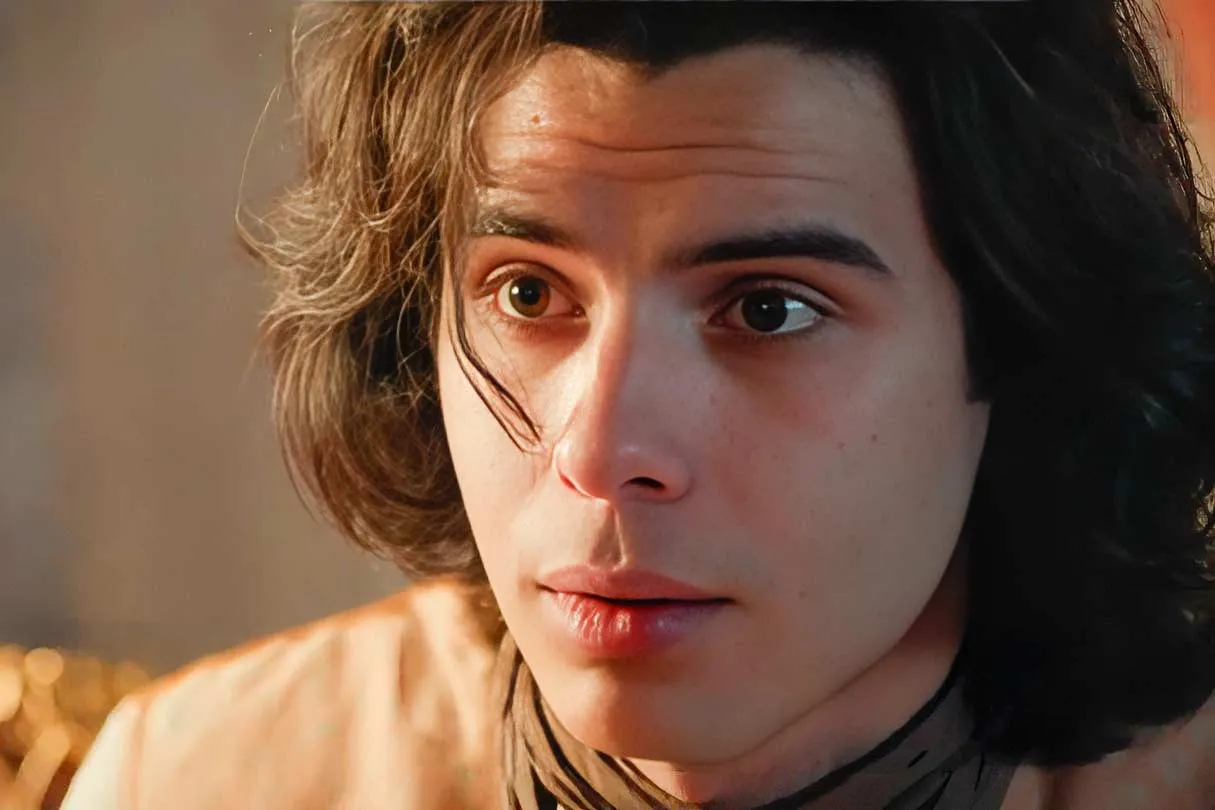
The latest episode of the acclaimed drama series ‘Valle Salvaje’ has delivered a pivotal and emotionally charged scene, marking one of the most revealing moments in recent weeks. The intense confrontation between matriarch Enriqueta and her son, Braulio, has sent shockwaves through the narrative, exposing a deeply guarded secret that fundamentally alters the perception of Braulio’s character and his relationship with his mother. This dramatic exchange, meticulously crafted within the unfolding storyline of the De la Reina family, highlights the series’ strength in leveraging sharp dialogue and character vulnerability to drive its plot.
The dramatic tension escalates as Enriqueta, a formidable figure known for her unwavering resolve, confronts Braulio regarding his disastrous attempt to woo Manuela. Her initial approach, characterized by maternal concern and a demand for explanations, quickly transforms into an unexpected confession from Braulio, one that even Enriqueta, despite her keen intuition, could not have foreseen. This scene, central to the episode’s impact, serves as a critical turning point, delving into the characters’ hidden insecurities and desires.
The Genesis of Conflict: A Failed Courtship
The episode opens with Enriqueta directly addressing Braulio, her tone laced with disbelief and frustration. "Can you explain to me what that disastrous conversation you had with Manuela was about?" she demands, cutting straight to the heart of the matter. Braulio, rather than accepting responsibility, deflects, exhibiting a defensive posture. "And what did you want me to do? If the fault is hers, for pushing a young woman on me who clearly has no desire for me whatsoever," he retorts. The conversation rapidly devolves, with Braulio expressing his exasperation at his mother’s persistent insistence on a courtship he deems futile. "How can I make her understand that I neither want to nor intend to court Manuela?" he pleads, his voice betraying a deep weariness from the relentless pressure.
Braulio’s frustration stems from his mother’s continued efforts to orchestrate a romantic connection between him and Manuela. Viewers have observed Enriqueta’s strategic maneuvers and her belief that Manuela, a character with her own complex motivations and backstory within the series, would be an ideal match for her son. Braulio, however, appears to lack the social grace or emotional inclination for such advances, leading to a series of awkward and ultimately unsuccessful interactions. This particular encounter with Manuela, intended by Enriqueta to be a step forward, has instead become a significant setback, fueling Enriqueta’s determination to rectify what she perceives as Braulio’s failings.
Enriqueta’s Unyielding Strategy: From Reproach to Practical Advice
Unfazed by Braulio’s resistance, Enriqueta shifts her approach from criticism to pragmatic guidance, a testament to her characteristic tenacity. She meticulously dissects his perceived shortcomings, focusing on his attire and his lack of assertiveness. "How could you possibly show up in those clothes, that third-rate coat?" she scolds, before reminding him of his privileged position as the heir to a considerable fortune and the imperative to conduct himself accordingly. "This morning you looked like a little boy asking a little girl for a walk," she concludes, her words a blend of exasperation and a paternalistic affection.
This critique is not merely about superficial appearances; it reflects Enriqueta’s deep-seated anxieties about Braulio’s future and his ability to secure his inheritance and the family’s legacy. The De la Reina family, as established in previous seasons, has navigated numerous challenges, and Enriqueta sees Braulio’s romantic life as intrinsically linked to the stability and continuation of their influence. Her attempts to mold him into a suitable suitor for Manuela are, in essence, part of a broader strategy to ensure the family’s continued prosperity and social standing. Her comparison to a child seeking a promenade underscores her perception of Braulio’s immaturity and his failure to grasp the nuances of courtship and romantic engagement.
Braulio, cornered, defends himself as best he can. "I did what I could, that’s it!" he exclaims, his voice rising with mounting pressure. Enriqueta, relentless, advises him to employ "less nerves and more charm," resorting to a comparison with his late father. "Your father wasn’t exactly an example of anything, but at least he knew how to conquer a woman," she remarks. This comparison, however, is swiftly rejected by Braulio. "I will never treat a woman the way my father treated them," he declares, a firm stance that highlights a potential generational difference in their views on relationships and a rejection of his father’s potentially problematic past behaviors. Enriqueta clarifies that she is not advocating for his father’s methods, but rather for the charisma and confidence that her son seemingly lacks.
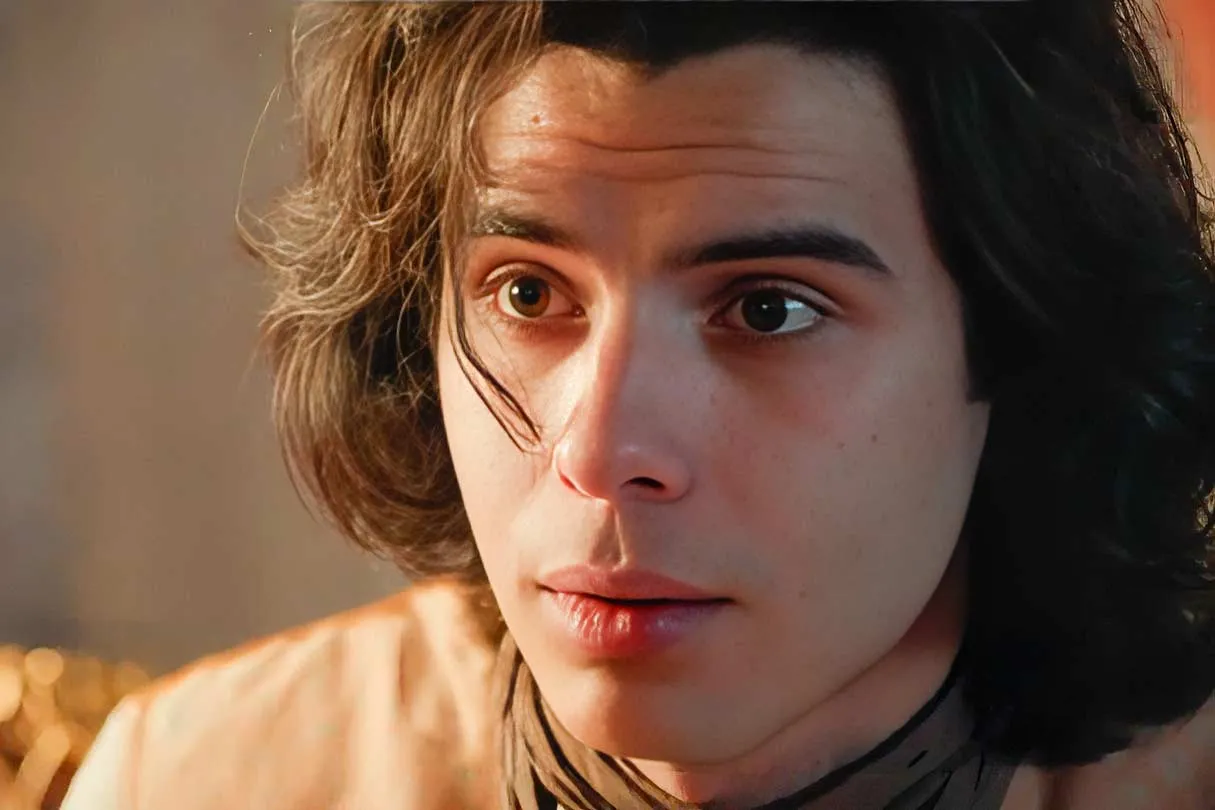
The historical context of the De la Reina family suggests a lineage steeped in tradition and expectation. Braulio, as the sole male heir, carries the weight of these expectations, amplified by his mother’s ambitious vision for his future. His father’s legacy, while presented as a flawed model, also hints at a past where such assertive, if perhaps manipulative, courtship was considered effective. Braulio’s rejection of this model indicates a potential internal conflict between the traditional roles imposed upon him and his own evolving understanding of relationships.
The Explosive Revelation: A Secret Unveiled
The simmering tension reaches its breaking point when Enriqueta, her patience depleted, utters a provocative statement: "I always imagined you had never been in love, but I couldn’t imagine you were so clueless." The word "clueless" hangs in the air. Braulio, pushed to his absolute limit by the humiliation and the relentless pressure to feign emotions and actions he does not understand, finally explodes with a confession that leaves his mother utterly speechless: "If I haven’t courted a woman, and I don’t know how to do it, it’s because I’ve never been with one."
This profound admission, delivered with raw vulnerability, serves as a dramatic culmination of Braulio’s internal struggles. It reframes his awkwardness, his perceived lack of interest in Manuela, and his general ineptitude in romantic pursuits not as a lack of effort or desire, but as a consequence of his inexperience. The revelation is significant because it provides a concrete explanation for his behavior, shifting the focus from his supposed deficiencies to a fundamental aspect of his personal history that has remained hidden.
The silence that follows is deafening, a stark contrast to the charged atmosphere that preceded it. Enriqueta, usually quick with a retort, finds herself without words, the force of Braulio’s confession overwhelming her. This scene effectively concludes a narrative arc of escalating tension that has been building for weeks, simultaneously opening a new emotional frontier in the De la Reina family’s saga.
Implications and Analysis: A New Chapter for the De la Reinas
Braulio’s confession has far-reaching implications, not only for his relationship with Manuela but, more significantly, for his dynamic with his mother and the expectations she has placed upon him. It challenges Enriqueta’s long-held assumptions about her son and forces her to confront the reality of his lived experience. This revelation could lead to a profound shift in their relationship, potentially fostering greater understanding and empathy, or it could introduce new layers of complexity as Enriqueta grapples with this newfound knowledge and her role in shaping Braulio’s life.
The broader impact of this confession on the ‘Valle Salvaje’ narrative is substantial. It provides a fresh impetus for character development, particularly for Braulio, who can now embark on a journey of self-discovery and genuine romantic exploration, free from the burden of pretense. For Manuela, this revelation might also alter her perception of Braulio, potentially paving the way for a more authentic connection, should the writers choose to explore that path.
‘Valle Salvaje’ once again demonstrates its narrative prowess by proving that its most impactful moments do not necessitate elaborate plot twists. Instead, they are born from meticulously crafted dialogues and characters who, at the most unexpected junctures, choose to reveal their truths. This particular scene, steeped in emotional realism, underscores the series’ commitment to exploring the intricate tapestry of human relationships and the profound impact of unspoken truths. The future of the De la Reina family, now informed by this significant revelation, promises to be even more compelling as they navigate this uncharted emotional territory. The series, through such poignant character-driven moments, continues to solidify its reputation as a masterclass in dramatic storytelling.

0 Comments