
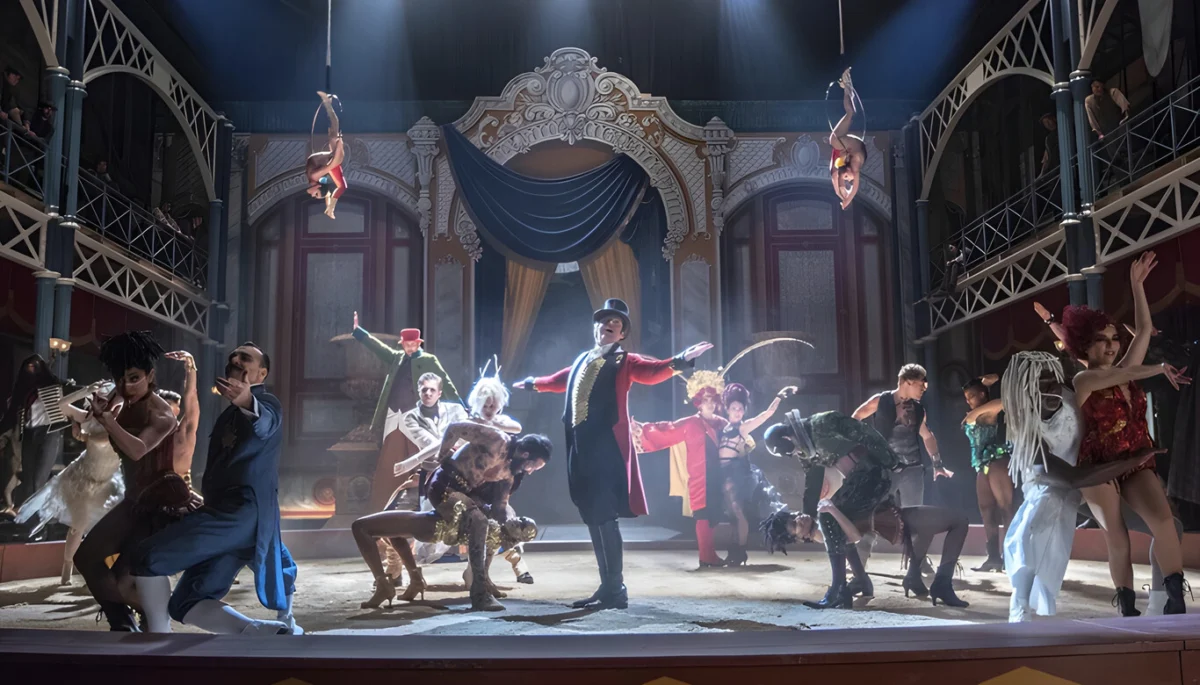
The landscape of digital streaming is undergoing a significant transition as major studios continue to consolidate their intellectual property under proprietary platforms. Among the most notable shifts scheduled for the end of May 2018 is the departure of the 2017 musical sensation The Greatest Showman from Netflix. Subscribers have until May 31 to view the film on the service before it migrates to Disney+, following the expiration of long-standing licensing agreements established prior to the acquisition of 20th Century Fox by The Walt Disney Company.
The film, which stars Hugh Jackman in the lead role of P.T. Barnum, represents a landmark in the modern movie musical genre. Despite initial skepticism from industry analysts regarding its box office potential, the production transformed into a global phenomenon, grossing over $435 million worldwide. Its exit from Netflix marks the end of an era for the film’s availability on third-party platforms in several international markets, signaling a tighter grip by Disney on its expansive library of 20th Century Studios content.
A Visionary Project: The Seven-Year Journey to the Screen
The development of The Greatest Showman was a prolonged and arduous process that began as early as 2009. Hugh Jackman, already a celebrated figure for his roles in the X-Men franchise and his Academy Award-nominated performance in Les Misérables, was the primary driving force behind the project. Jackman sought to create a contemporary musical that blended the aesthetic of the 19th century with a modern pop sensibility.
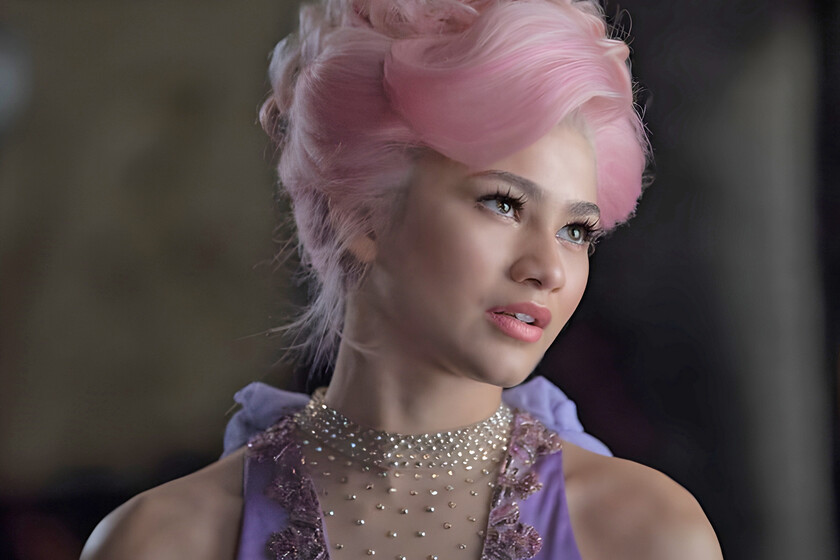
Securing financial backing for an original musical—meaning one not based on a pre-existing stage show or established intellectual property—proved difficult. Major studios were hesitant to invest in the genre, which at the time was perceived as a high-risk venture. It took seven years for the project to receive a green light from 20th Century Fox. Director Michael Gracey, making his feature film debut, worked closely with Jackman to develop the visual language of the film, which utilized vibrant colors and high-energy choreography to mirror the chaotic but captivating world of the circus.
During the pre-production phase, the creative team faced numerous hurdles. One of the most significant challenges occurred just 36 hours before the film’s final "pitch" to studio executives. Jackman had undergone surgery to remove a basal cell carcinoma from his nose and was strictly forbidden by doctors to sing, as the tension could rupture his stitches. During the workshop, however, Jackman famously disregarded medical advice during the performance of "From Now On," a moment that many credited with finally convincing the studio to fund the $84 million production.
Historical Accuracy versus Cinematic Spectacle
The narrative of The Greatest Showman centers on Phineas Taylor Barnum, a man who rose from poverty to become the world’s most famous showman. The film portrays Barnum as a visionary who championed the "marginalized"—individuals with physical differences who were often shunned by Victorian society. By bringing them into the spotlight, the film’s Barnum creates a sanctuary of diversity and self-acceptance.
From a historical perspective, however, the film takes significant creative liberties. The real P.T. Barnum was a much more polarizing figure than the one portrayed by Jackman. History remembers him as the "Prince of Humbugs," a man whose career was built on elaborate hoaxes and, in some instances, the exploitation of the performers he employed. For example, the real Barnum’s first major success involved the "purchase" of an elderly enslaved woman named Joice Heth, whom he falsely claimed was 161 years old.

The cinematic version of the story chooses to sanitize these darker elements, opting instead for a thematic focus on ambition, family, and the celebration of "the oddity." This decision has been the subject of debate among historians and film critics alike. While some argue that the film ignores the complexities of Barnum’s ethics, others maintain that The Greatest Showman is not intended to be a biographical documentary, but rather a "fable" inspired by the spirit of the circus. This distinction is crucial to understanding the film’s enduring popularity; it prioritizes emotional resonance and spectacle over historical minutiae.
Financial Performance: From Slow Start to Global Phenomenon
The commercial trajectory of The Greatest Showman is often cited by box office analysts as one of the most remarkable "leg" runs in modern cinema history. When the film premiered in December 2017, it opened to a modest $8.8 million during its first three days in the United States. Such numbers typically signal a commercial failure, especially for a production with a budget exceeding $80 million.
However, the film defied traditional industry trends. Instead of the typical 40% to 50% drop in viewership in its second week, The Greatest Showman saw its audience grow. Driven by positive word-of-mouth and the viral success of its soundtrack, the film remained in the top ten of the box office for months. It eventually earned $174.3 million domestically and $260.7 million internationally, totaling $435 million. According to data from Box Office Mojo, the film holds one of the highest "multipliers" (the ratio of total gross to opening weekend) for a wide-release film, illustrating a rare sustained interest from the public.
The Power of the Soundtrack: A Cultural Milestone
A significant portion of the film’s success can be attributed to its music, composed by Benj Pasek and Justin Paul, the duo behind La La Land and Dear Evan Hansen. The soundtrack was designed to be contemporary, utilizing pop and rock structures that resonated with a younger demographic while maintaining the theatricality required for a musical.

The anthem "This Is Me," performed by Keala Settle, became a global hit and an anthem for the LGBTQ+ community and other marginalized groups. The song won a Golden Globe for Best Original Song and was nominated for an Academy Award. Beyond "This Is Me," tracks such as "The Greatest Show," "Rewrite the Stars" (performed by Zac Efron and Zendaya), and "Never Enough" dominated streaming charts for over a year.
In the United Kingdom, the soundtrack achieved historic success, spending 28 non-consecutive weeks at number one on the UK Albums Chart. It became the best-selling album of 2018 globally, according to the International Federation of the Phonographic Industry (IFPI). The music’s ability to live independently of the film ensured that The Greatest Showman remained in the cultural zeitgeist long after its theatrical run concluded.
The Shifting Dynamics of Digital Distribution
The departure of The Greatest Showman from Netflix on May 31 is a direct consequence of the "streaming wars." In 2019, Disney completed its $71.3 billion acquisition of 21st Century Fox assets, which included the 20th Century Fox film studio. Since then, Disney has been methodically reclaiming the streaming rights to its acquired titles to bolster the library of Disney+ and Hulu.
For Netflix, the loss of such a high-profile title represents the ongoing challenge of maintaining a library of licensed content as major producers launch their own platforms. The film’s transition to Disney+ is expected to be permanent, as the studio seeks to centralize its "family-friendly" and musical content under one roof. This move also aligns with Disney’s strategy of cross-promoting its film properties with its theme parks and live stage productions; a Broadway adaptation of The Greatest Showman is currently in active development.

Broader Impact and Legacy
The legacy of The Greatest Showman extends beyond its financial success. It revitalized the career of Zac Efron in the musical genre, marking his first return to the format since High School Musical 3. It also solidified Zendaya’s status as a major film star, showcasing her versatility as both an actress and a physical performer. For Hugh Jackman, the film remains a career-defining project that he toured globally in 2019 with his "The Man. The Music. The Show." arena tour, where Greatest Showman numbers were the centerpiece.
While critics were initially divided—the film holds a 57% rating on Rotten Tomatoes—the audience score stands at an impressive 86%. This disparity highlights a disconnect between critical analysis of the film’s narrative depth and the public’s embrace of its emotional core and technical brilliance. The film’s themes of finding one’s "chosen family" and the importance of imagination continue to resonate with viewers of all ages.
As the May 31 deadline approaches, the surge in viewership on Netflix is expected to increase as fans take a final opportunity to view the film on the platform. Following its departure, the movie will remain available for digital purchase on platforms like Amazon Prime Video and Apple TV, but its primary streaming home will be Disney+. For those who have yet to experience the "spectacle" of Barnum’s world, the remaining two weeks on Netflix offer a final window to witness one of the most successful original musicals of the 21st century.

0 Comments