
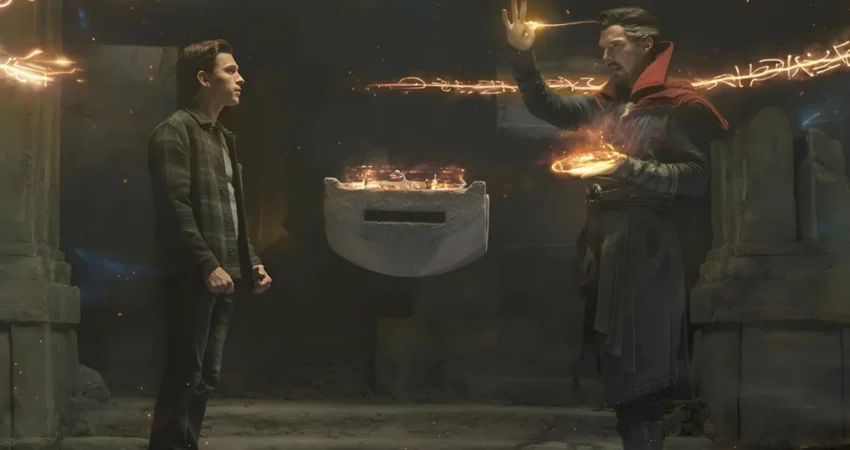
The Marvel Cinematic Universe (MCU) is currently undergoing its most significant narrative pivot since the conclusion of the Infinity Saga, moving toward a massive convergence event titled Avengers: Doomsday. As fans prepare for the next chapter in this multi-billion-dollar franchise, industry analysts and narrative experts point toward the 2021 blockbuster Spider-Man: No Way Home as the indispensable prerequisite for understanding the high stakes of the upcoming conflict. Directed by Jon Watts and starring Tom Holland, the film was more than a commercial juggernaut; it served as the formal introduction of multiversal physics to the mainstream MCU audience, establishing the rules and consequences of reality-warping events that will likely culminate in the arrival of Victor von Doom.
The Strategic Shift from The Kang Dynasty to Avengers: Doomsday
The road to the next Avengers installment has been marked by significant internal and external shifts at Marvel Studios. Originally, the studio had planned to center the Multiverse Saga around the character of Kang the Conqueror, with a film titled Avengers: The Kang Dynasty. However, following legal issues involving actor Jonathan Majors and a tepid critical reception to some Phase 4 and 5 projects, Marvel Studios President Kevin Feige announced a major course correction at San Diego Comic-Con 2024.
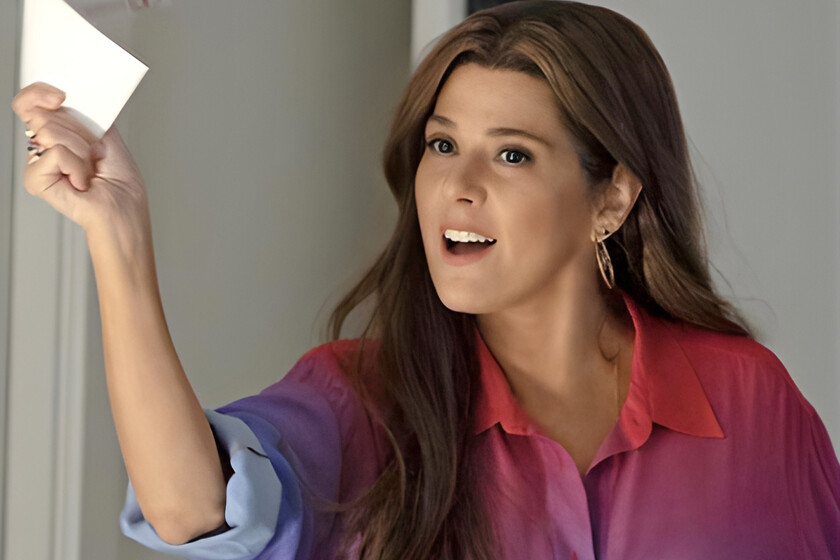
The project was rebranded as Avengers: Doomsday, with the Russo Brothers—directors of Infinity War and Endgame—returning to lead the production. In a move that shocked the industry, Robert Downey Jr. was announced to return to the franchise, not as Tony Stark, but as the iconic villain Doctor Doom. This shift necessitates a deep understanding of the Multiverse, as the character of Doom is historically linked to the collapse of different realities—a concept first explored on a grand cinematic scale in Spider-Man: No Way Home.
A Chronological History of the MCU Multiverse
To understand why Spider-Man: No Way Home is essential, one must look at the chronology of the MCU’s exploration of alternate realities. While the concept was teased in Doctor Strange (2016) and used as a plot device for time travel in Avengers: Endgame (2019), it was the third Spider-Man film that demonstrated the physical intrusion of one universe into another.
- The Catalyst (Endgame): The removal of Infinity Stones from their original timelines created the potential for branched realities.
- The Theoretical Framework (Loki Season 1): Introduced the Time Variance Authority (TVA) and the concept of the "Sacred Timeline" being shattered.
- The Physical Breach (No Way Home): For the first time, characters from non-MCU franchises (the Sam Raimi and Marc Webb Spider-Man universes) were physically transported into the primary MCU continuity (Earth-616).
- The Aftermath (Multiverse of Madness): Explored "Incursions," the phenomenon where two universes collide, leading to the destruction of one or both.
Spider-Man: No Way Home sits at the center of this timeline. The plot follows Peter Parker (Tom Holland) as he seeks the help of Doctor Strange (Benedict Cumberbatch) to cast a spell that would make the world forget his secret identity. The spell’s failure acts as a "containment breach," pulling in those who knew Peter Parker’s identity from across the Multiverse. This narrative choice did not just serve as a vehicle for nostalgia; it established that the boundaries between realities are fragile and can be manipulated by powerful magic or scientific anomalies.

The Mechanics of Fan Service and Narrative Weight
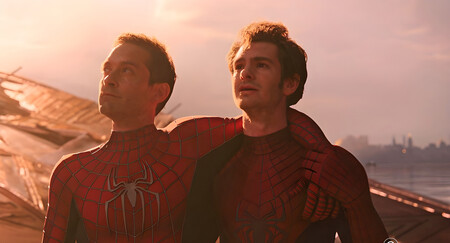
Spider-Man: No Way Home achieved what many thought impossible by unifying three generations of cinema. By bringing back Tobey Maguire and Andrew Garfield to reprise their roles alongside Holland, the film validated the existence of every previous iteration of the character. This was not merely "fan service," a term often used to describe pandering to a loyal base; rather, it was a structural necessity to prove that the Multiverse has "weight."
The inclusion of villains such as Willem Dafoe’s Green Goblin and Alfred Molina’s Doctor Octopus provided a template for how legacy characters can be integrated into the modern MCU. For Avengers: Doomsday, this is a critical precedent. Rumors and reports suggest that Doomsday and its successor, Avengers: Secret Wars, will feature a wide array of legacy characters from the 20th Century Fox era, including the X-Men and the Fantastic Four. No Way Home serves as the proof of concept that such a massive crossover can be executed with both emotional depth and narrative coherence.
Financial and Critical Success: A Statistical Overview
The necessity of revisiting Spider-Man: No Way Home is also backed by its unprecedented success during a period of global box office uncertainty. Released in December 2021, the film became a beacon for the theatrical industry, proving that "event cinema" still held massive drawing power.
- Global Box Office: The film grossed $1.921 billion worldwide, making it the highest-grossing film of 2021 and the seventh highest-grossing film of all time.
- Critical Reception: On the review aggregator Rotten Tomatoes, the film maintains a 93% "Certified Fresh" rating from critics and a near-perfect 97% audience score.
- Market Impact: In Mexico and Latin America, the film broke opening weekend records, demonstrating the universal appeal of the character and the Multiverse concept.
These figures are significant because they indicate that the "Multiverse" is the most commercially viable narrative tool in Marvel’s current arsenal. For the studio, doubling down on this concept for Avengers: Doomsday is a strategic move to recapture the cultural zeitgeist that peaked during the era of Thanos.
Analyzing the "Incursion" Threat in Doomsday
The primary threat in the upcoming Avengers films is expected to be an "Incursion." This term refers to the point at which the boundaries between two universes erode completely, causing them to occupy the same space until both are annihilated. In Spider-Man: No Way Home, the climax features the sky "cracking" open, revealing thousands of entities from other worlds trying to break through.
This visual and narrative beat is a direct precursor to the stakes of Doomsday. If a single botched spell by Doctor Strange could nearly destroy the fabric of reality, the calculated machinations of a character like Doctor Doom—who traditionally seeks to rule the Multiverse by "saving" it through total control—pose an existential threat of a much higher order. Viewing No Way Home allows audiences to understand the vulnerability of the MCU’s primary timeline before it is inevitably challenged by Doom.

Availability and Accessibility: How to Watch
For viewers in Mexico and North America, the streaming rights for Spider-Man: No Way Home are somewhat more complex than other MCU titles due to the licensing agreement between Sony Pictures and Disney. While most Marvel films are housed on Disney+, Spider-Man: No Way Home is currently available through different channels.
In the Mexican market, the film is primarily available on Universal+. However, accessibility has been broadened through third-party integrations. Subscribers to Amazon Prime Video can access the film via "Prime Video Channels," which often offers a seven-day trial period for new users of the Universal+ add-on. Additionally, the film remains a staple for digital purchase or rental on platforms such as Claro Video and the Apple TV app.
Conclusion: The Path to December and Beyond
As the MCU marches toward its next major milestone, the importance of Spider-Man: No Way Home continues to grow. It is the film that transitioned the franchise from the grounded, legacy-focused stories of Phase 4 into the cosmic, reality-bending stakes of the current era. It gave Tom Holland’s Peter Parker a definitive "origin story" regarding responsibility and loss, finally detaching him from the shadow of Tony Stark and preparing him for a leadership role in the battles to come.
With the Russo Brothers back at the helm and Robert Downey Jr. set to redefine his legacy within the franchise, the narrative foundations laid in No Way Home are more relevant than ever. To ignore the events of this film is to miss the instructional manual for the Multiverse—a manual that will be essential when the "Doomsday" clock finally strikes twelve.

0 Comments