
 Lina Irawan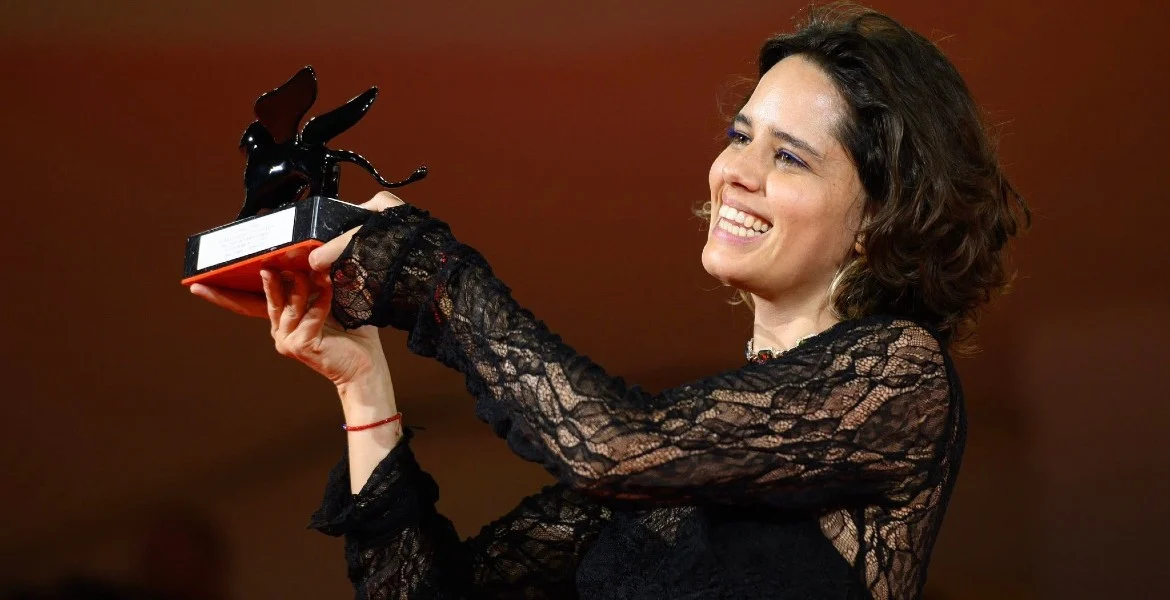
The World Cinema Fund (WCF), a cornerstone of the Berlin International Film Festival’s commitment to global cinematic diversity, has officially announced the results of its 43rd jury session. In a significant move to bolster independent filmmaking in regions with fragile or developing cinema infrastructures, the WCF jury has recommended a total of 365,000 euros in funding for nine distinct projects. These selections represent a broad geographical spectrum, including Bangladesh, Burkina Faso, Cambodia, Ecuador, Lebanon, Malaysia, the Philippines, Senegal, and Turkey. Among the most notable recipients is the Ecuadorean feature "Amapola," directed by Ana Cristina Barragán, which stands as the sole Latin American representative in the prestigious WCF Europe funding line for this session.
The 43rd session marks a pivotal moment for the fund, as it continues to bridge the gap between creative vision and financial feasibility for directors working outside the traditional Hollywood and European studio systems. By providing these grants, the Berlinale not only validates the artistic merit of the selected auteurs but also facilitates the complex international co-production models necessary to bring these stories to global audiences.
The Strategic Selection of Amapola and the Rise of Ana Cristina Barragán
Within the specific framework of the WCF Europe program—which encourages collaboration between European producers and filmmakers from WCF-eligible regions—"Amapola" emerged as a standout project. The film is a sophisticated multi-national co-production, led by Ecuadorean outfits Trópico Cine and Botón Films. The project’s international pedigree is further strengthened by the involvement of Graal Films (Greece), Ciné-Sud Promotion (France), Klaxon Cultura Audiovisual (Brazil), and Clara Films (Chile).
This level of international cooperation is a testament to the project’s perceived quality and the growing reputation of its director. Born in Quito in 1987, Ana Cristina Barragán has rapidly ascended to the vanguard of contemporary Latin American cinema. Her career trajectory illustrates the efficacy of the international festival circuit in nurturing talent. Her debut feature, "Alba" (2016), premiered at the International Film Festival Rotterdam and received widespread acclaim for its sensitive portrayal of pre-adolescence.
Barragán’s subsequent work has only solidified her standing. Her 2025 feature, "Hiedra," competed in the Orizzonti section of the Venice International Film Festival, where it secured the award for Best Screenplay. This accolade placed her among the elite group of filmmakers capable of translating deeply local narratives into universal cinematic language. Her history with the Berlinale is also well-established, having participated in the Berlinale Talents program in 2018, an experience that likely laid the groundwork for her current success with the WCF.
"Amapola" promises to continue Barragán’s exploration of vulnerability and human connection under extreme circumstances. The narrative follows a group of adolescent survivors of human trafficking residing in a clandestine shelter. The plot delves into the complexities of their recovery as they care for infants fathered by their former captors. Set against the atmospheric backdrop of an approaching eclipse, the film explores the intersections of fear, tenderness, and the profound bonds formed in the shadow of trauma.
A Rigorous Evaluation Process Under New Leadership
The selection process for the 43rd WCF session was characterized by intense competition and a high volume of submissions. The jury evaluated a total of 373 projects originating from 75 countries, reflecting the global demand for independent film financing. This high ratio of applications to successful grants underscores the prestige associated with WCF backing, which often acts as a "seal of quality" that attracts further investment and distribution interest.
This session also marked a significant administrative milestone for the fund. It was the first jury meeting presided over by Sata Cissokho, who assumed the leadership of the World Cinema Fund in late 2025. Cissokho’s appointment was seen by many industry analysts as a move toward further diversifying the fund’s reach and modernizing its approach to international sales and distribution. Her background in the industry brings a fresh perspective to the fund’s mission of supporting films that not only possess artistic integrity but also have the potential to resonate within the evolving global marketplace.
The jury’s decisions are based on several criteria, including the artistic quality of the project, the feasibility of the production plan, and the potential impact of the film on its local film industry. By selecting projects from nations like Burkina Faso and Bangladesh, the WCF continues to prioritize voices from regions where political or economic instability often stifles creative expression.
The Role of the World Cinema Fund within Berlinale Pro
The World Cinema Fund is not an isolated entity; it is an integral component of Berlinale Pro, the festival’s comprehensive industry platform. Berlinale Pro serves as a central hub for film professionals, encompassing several key initiatives designed to support every stage of a film’s lifecycle:
- The European Film Market (EFM): One of the world’s most important venues for the trade of film rights and audiovisual content.
- The Berlinale Co-Production Market: A platform where producers can find international partners for their upcoming projects.
- Berlinale Talents: An annual summit and networking program for 200 emerging filmmakers from around the world.
- World Cinema Fund (WCF): The financial arm that provides direct production and distribution support.
The synergy between these programs ensures that a project supported by the WCF, such as "Amapola," benefits from a holistic ecosystem. A project might start as a concept at Berlinale Talents, find its European co-producers at the Co-Production Market, receive financing through the WCF, and eventually be sold to international distributors at the EFM. This integrated approach is vital for the survival of "world cinema"—a term used to describe films from regions where the domestic market is insufficient to sustain high-quality production.
Chronology of Development: The Path to Funding
The success of "Amapola" in the 43rd WCF session is the culmination of years of strategic development. Before receiving this latest grant, the project participated in several high-profile industry laboratories and markets, which helped refine the script and build the necessary co-production network:
- Ikusmira Berriak: A residency program organized by the San Sebastián International Film Festival, Tabakalera-International Centre for Contemporary Culture, and the Elías Querejeta Zine Eskola. This program provided Barragán with the space and mentorship to develop the early stages of the screenplay.
- Venice Gap-Financing Market: During its time at the Venice Film Festival, the project was presented to potential financiers to bridge the final gaps in its production budget.
- BAL Lab: The laboratory component of BAFICI (Buenos Aires International Festival of Independent Cinema), which focuses on supporting Latin American projects in development.
This timeline highlights the "slow cinema" model often required for high-quality independent films. It demonstrates that the WCF tends to favor projects that have been rigorously vetted by other international institutions, ensuring that the funds are allocated to projects with a high probability of completion and festival success.
Broader Implications for Global Cinema
The allocation of 365,000 euros across nine projects might seem modest compared to Hollywood blockbuster budgets, but in the context of independent cinema, these funds are transformative. For a filmmaker in Senegal or Cambodia, a WCF grant can cover a significant portion of the local production costs or provide the necessary leverage to secure a European co-producer.
The inclusion of countries like Turkey and Lebanon in this session also points to the WCF’s role in supporting cinema as a form of cultural diplomacy and social commentary in regions experiencing geopolitical tension. By funding stories from these areas, the Berlinale fosters a more nuanced understanding of global realities, moving beyond the headlines to explore the human condition.
Furthermore, the emphasis on co-production—exemplified by the five-country coalition behind "Amapola"—reflects the reality of the modern film industry. No longer confined to national borders, the most successful independent films are now global hybrids. This model not only shares the financial risk but also ensures that the film has "natural" advocates in multiple markets (e.g., France, Brazil, Greece), which is crucial for its eventual theatrical and streaming release.
Future Outlook: From Grant to Screen
As Ana Cristina Barragán and the other eight recipients move from the financing phase into active production, the industry will be watching closely. The track record of the World Cinema Fund is impressive; many of its past recipients have gone on to win major awards at Cannes, Venice, and the Berlinale itself.
For "Amapola," the WCF funding provides the momentum needed to move into principal photography. The film’s exploration of human trafficking and the resilience of the human spirit is timely and fits the Berlinale’s historical preference for socially conscious cinema. As the project progresses, it will likely return to the Berlinale in a future edition, perhaps as a world premiere in the Competition or Panorama sections.
In conclusion, the 43rd session of the World Cinema Fund reinforces the Berlinale’s status as a vital patron of the arts. By backing directors like Ana Cristina Barragán and projects that tackle difficult, essential subject matter, the fund ensures that the global cinematic landscape remains diverse, challenging, and vibrant. The 365,000 euros distributed this session represents more than just financial aid; it represents a commitment to the idea that cinema is a universal right and that every corner of the world has a story worth telling.


 Jia Lissa
 admin
admin
 Raisa Andriana
 Pevita Pearce
 Eva Lovia
 Julia Chirkova