
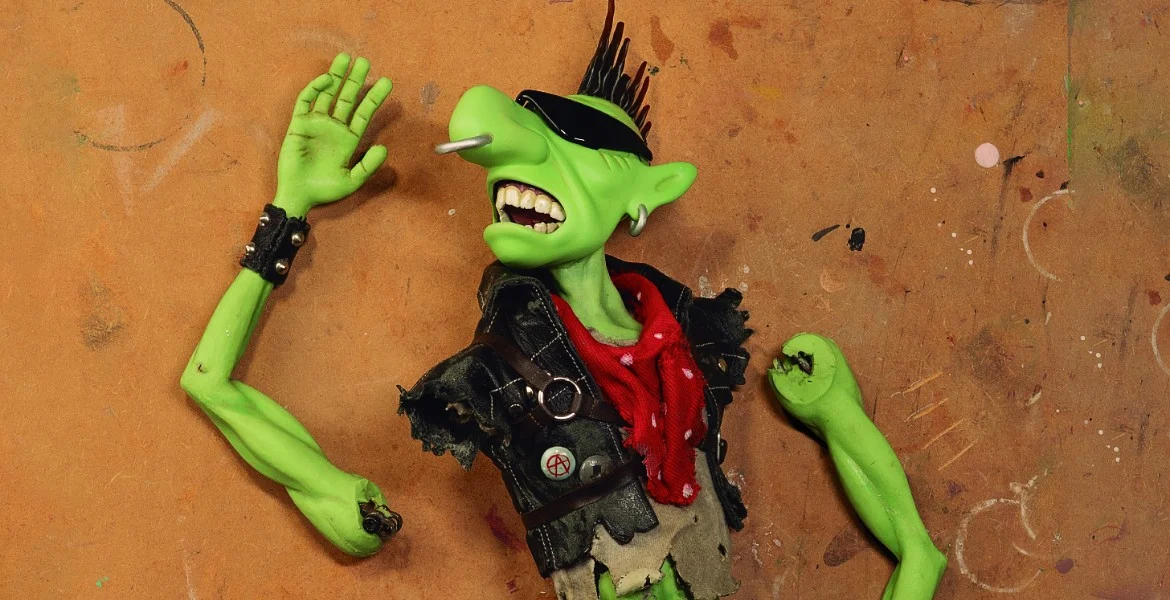
The Ibero-American animation sector is witnessing a simultaneous push for future talent and the preservation of its recent masterpieces as two major developments take center stage in the regional industry. The association known as MIA (Mujeres en la Industria de la Animación) has officially opened the call for the fifth edition of MIANIMA, an intensive training and mentorship program designed specifically to bridge the gender gap in the animation workforce. Concurrently, the acclaimed Brazilian stop-motion feature Bob Cuspe – Nós Não Gostamos de Gente (Bob Spit – We Do Not Like People) is set to expand its cultural footprint through the release of a comprehensive "making-of" book and a revival of physical media formats, including DVD and a collector’s edition VHS. These two announcements underscore a broader trend within the Ibero-American audiovisual landscape: a commitment to structural gender equity and a growing reverence for the technical craftsmanship of stop-motion animation.
MIANIMA 2026-2027: Strengthening the Female Creative Pipeline
The MIANIMA program has established itself as a cornerstone for female creators across Ibero-America, offering a structured environment for project development that goes beyond mere financial aid. For its fifth edition, the program will select a total of nine projects, categorized to reflect the diverse formats currently driving the industry. These include three short films, two feature-length films, two television or streaming series, and two projects specifically reserved for students. This tiered selection process ensures that both established professionals and emerging talents have a platform to refine their intellectual properties.
The call for entries is currently active and will remain open until September 2, 2024. Eligibility extends to women who are nationals or legal residents of the 22 countries comprising the Ibero-American community. This geographical reach is significant, encompassing the Iberian Peninsula and the vast majority of Latin America, fostering a cross-continental exchange of styles, narratives, and business strategies. According to the organizers, the primary objective of MIANIMA is to provide the necessary tools for these projects to transition from initial concepts to market-ready assets capable of securing international co-production deals.
A Rigorous Four-Month Incubation and Mentorship Period
Selected participants will undergo an intensive four-month training cycle scheduled to run from September 2026 to January 2027. This timeline suggests a long-term strategic planning approach by MIA, allowing for the curation of high-level mentors and the synchronization of the program with major industry markets. The curriculum is built around three core pillars: creative strengthening, financial viability, and international projection.
- Creative Mentorship: Projects will receive feedback from industry veterans on scriptwriting, art direction, and narrative pacing.
- Masterclasses: Leading figures in global animation will conduct sessions on emerging technologies, production management, and the nuances of the Ibero-American market.
- Pitching Preparation: A significant portion of the program is dedicated to the art of the "pitch," teaching creators how to effectively communicate their vision to potential investors and distributors.
The program will culminate in a high-profile closing ceremony in Madrid. During this event, finalists will present their projects to an international jury of producers and distributors. This "pitching" session serves as the final exam of the incubation period, with one winner chosen from each category. These winners will receive specific prizes and grants designed to fund the next stage of their project’s development, whether that be the creation of a pilot, a teaser, or a comprehensive production bible.
Bob Cuspe and the Documentation of Stop-Motion Excellence
While MIANIMA looks toward the future of the industry, the Brazilian animation community is celebrating the enduring impact of Bob Cuspe – Nós Não Gostamos de Gente. Directed by Cesar Cabral and produced by Coala Filmes, the film has become a benchmark for adult-oriented stop-motion animation. To document the Herculean effort required to bring this project to life, a new book titled Nas Entranhas de Bob Cuspe (Inside the Guts of Bob Spit) has been announced.
Written by journalist Ramon Vitral and published by Ugra Press, the book provides an exhaustive look at the five-year production cycle of the film. Vitral conducted interviews with 16 key members of the production crew, ranging from animators and puppet makers to set designers and the director himself. The publication is expected to serve as both a historical record and a technical manual for stop-motion enthusiasts, featuring previously unreleased sketches, storyboards, and photographs of the intricate miniature sets.
The film is an adaptation of the legendary character created by the cartoonist Angeli, a central figure in Brazil’s underground comic scene. Bob Spit, a punk living in a post-apocalyptic version of Angeli’s own mind, represents a gritty, counter-cultural aesthetic that contrasts sharply with the family-friendly fare often associated with the animation medium.
The Paradoxical Revival of Physical Media
In a move that aligns with the "lo-fi" and punk aesthetic of the source material, the production company Busa Filmes has announced the first-ever DVD release of Bob Cuspe – Nós Não Gostamos de Gente. More notably, the company will also release a special edition on VHS in October. While the global film industry has largely pivoted to digital streaming, the decision to release the film on analog tape is a calculated nod to the 1980s and 90s underground culture that birthed the character of Bob Spit.
Industry analysts suggest that for independent and auteur-driven animation, physical media serves as a vital revenue stream and a way to build a "cult" following. For a film that won the Contrechamp Award at Annecy—the world’s most prestigious animation festival—and swept the Grande Prêmio do Cinema Brasileiro, these physical editions represent collectible artifacts for a dedicated fanbase. The inclusion of the VHS format specifically targets the "kidult" and collector demographic that values the tactile nature of cinema history.
Chronology of Achievements for Bob Cuspe – Nós Não Gostamos de Gente
To understand the significance of the book and physical media release, one must look at the film’s trajectory since its debut:
- 2021: Global premiere and immediate critical acclaim. The film wins the Contrechamp Award at the Annecy International Animation Film Festival, signaling its status as a major work of world cinema.
- 2021-2022: The film secures top honors at the Ottawa International Animation Festival and the Tokyo Anime Award Festival, proving its cross-cultural appeal.
- 2022: Recognition within the regional industry through the Premios Quirino de la Animación Iberoamericana, where it was celebrated for its technical mastery.
- 2023-2024: Continued domestic success in Brazil, including multiple categories at the Grande Prêmio do Cinema Brasileiro (the "Brazilian Oscars").
- Late 2024: The announcement of the expansion into literature and legacy media formats to preserve the film’s "making-of" history.
Broader Implications for the Ibero-American Industry
The dual nature of these announcements—MIANIMA’s call for creators and Bob Cuspe’s expansion—reflects a maturing industry. The Ibero-American animation sector is no longer just a service provider for Hollywood studios; it is a hub of original intellectual property and innovative storytelling.
The focus of MIANIMA on female leadership addresses a documented disparity in the industry. According to recent reports on the state of Ibero-American animation, while women make up more than 50% of animation students, they occupy less than 30% of directing and producing roles in feature films. By providing mentorship and a direct line to international markets, MIA is actively working to correct this imbalance, ensuring that the next "Bob Cuspe" or "Spider-Verse" could be helmed by a woman from the region.
Furthermore, the success of Bob Cuspe demonstrates the viability of "adult animation" as a genre. By utilizing stop-motion—a technique that requires immense patience and physical craftsmanship—Cesar Cabral and his team have shown that Ibero-American studios can compete at the highest level of artistic quality. The upcoming book by Ramon Vitral will likely inspire a new generation of animators by demystifying the complex process of frame-by-frame production.
As the deadline for MIANIMA approaches in September and the special VHS edition of Bob Cuspe prepares for its October launch, the Ibero-American animation community continues to solidify its position as a global powerhouse of creativity, resilience, and cultural preservation. These initiatives ensure that the stories of the region are not only told but are also documented and supported by a diverse and equitable workforce.

0 Comments