
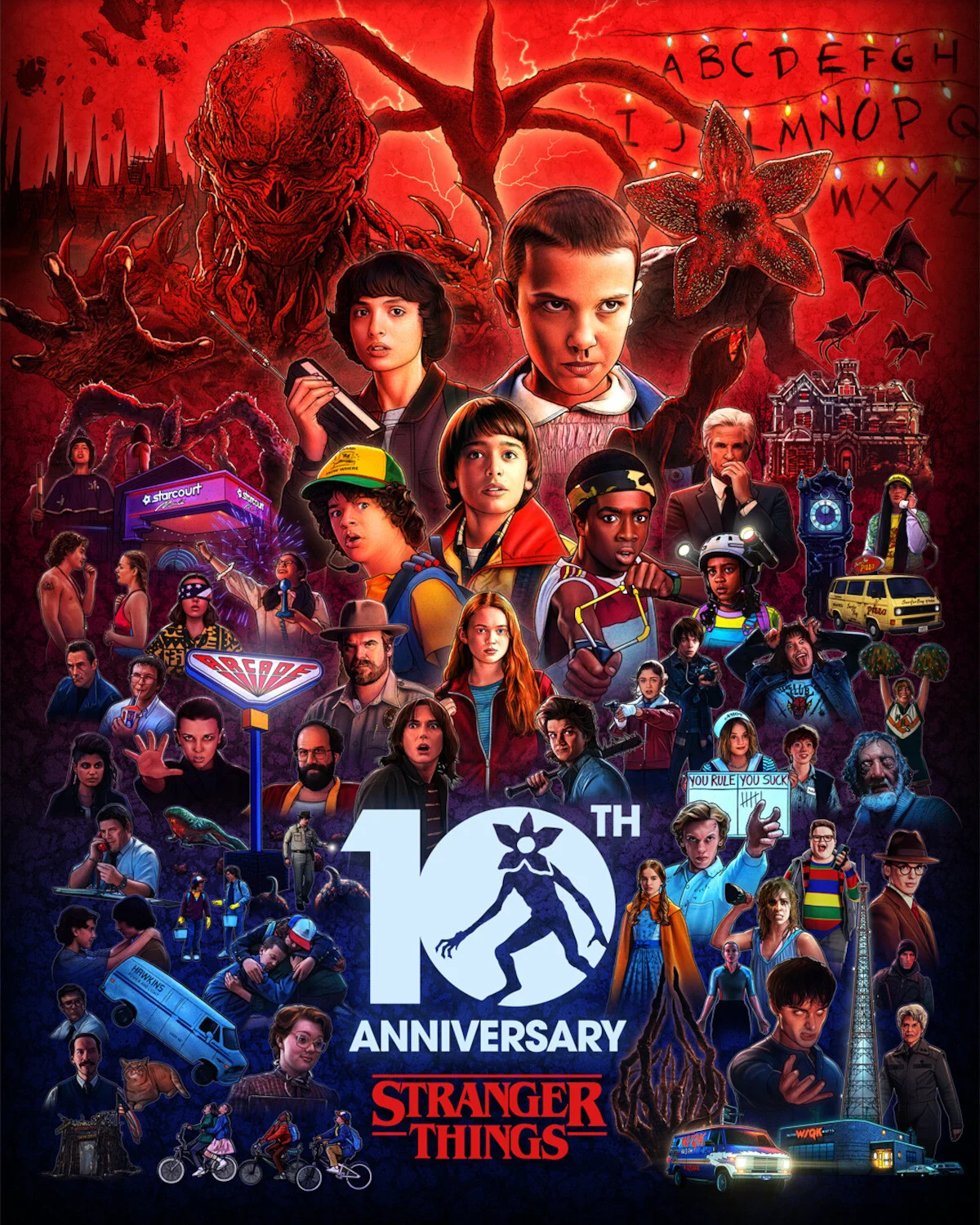
Netflix has officially announced the release of a specialized "VHS Edition" of the first season of Stranger Things, marking a significant milestone for the series that has dominated the global streaming landscape since its debut in 2016. This commemorative release does not offer new scenes or extended cuts; instead, it introduces a meticulously crafted visual and auditory filter designed to replicate the analog experience of 1980s home video. The move is a strategic nod to the show’s foundational themes of nostalgia and retro-futurism, allowing long-term fans to re-experience the mystery of Hawkins, Indiana, through the aesthetic lens of the era in which the story is set.
The Genesis of a Streaming Giant
When the Duffer Brothers first pitched Stranger Things—originally titled Montauk—the project was reportedly rejected by more than a dozen networks. Critics at the time were skeptical of a series that featured a lead cast of children but maintained a tone suitable for adults, blending elements of Steven Spielberg’s suburban wonder with Stephen King’s supernatural horror. Netflix eventually acquired the rights, and on July 15, 2016, the first eight episodes were released with little traditional fanfare.
The series quickly became a word-of-mouth sensation. Set in November 1983, the first season followed the disappearance of Will Byers and the subsequent appearance of a psychokinetic girl named Eleven. The blend of 1980s pop culture, a synth-heavy score by Kyle Dixon and Michael Stein, and a compelling mystery surrounding a government conspiracy and a parallel dimension known as the "Upside Down" resonated across demographics. Within its first month, it became one of Netflix’s most-watched original series, setting the stage for a franchise that would eventually include four subsequent seasons, comic books, video games, and a stage play in London’s West End.
Technical Specifications of the VHS Special Edition
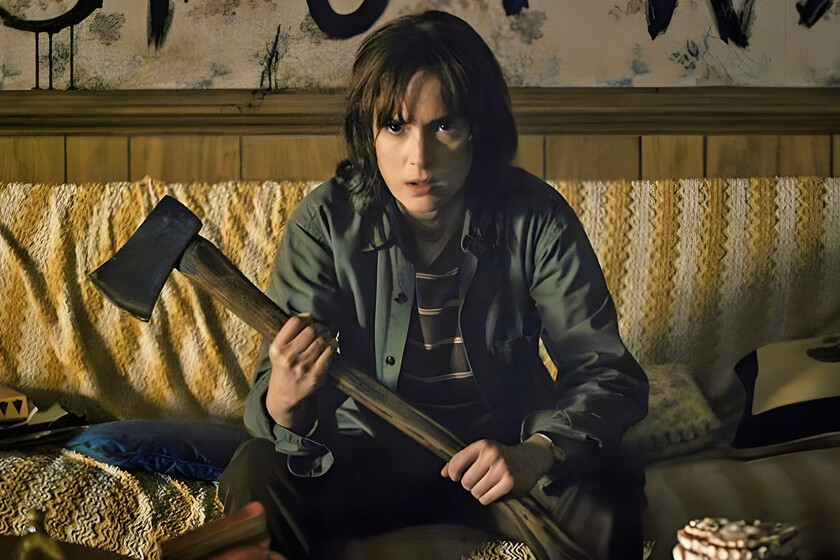
The "Stranger Things VHS" edition represents a unique technical undertaking by Netflix’s post-production teams. Rather than a simple overlay, the special edition incorporates several layers of digital manipulation to simulate the limitations and charms of 1980s magnetic tape technology.
Visual Degradation and Texture
The most prominent feature of the special edition is the introduction of "film grain" and "tape noise." During the 1980s, the Video Home System (VHS) format was known for its lower resolution compared to modern 4K standards. The special edition emulates this by softening the sharp edges of digital cinematography. Viewers will notice occasional "tracking errors"—the horizontal lines of static that occurred when a VCR head was misaligned—and "chromatic aberration," where colors bleed slightly at the edges of objects.
Color Grading
The color palette of the first season has been shifted to mimic the magnetic saturation of tape. This involves a slight crushing of black levels and a warmer, more inconsistent color temperature. The goal is to evoke the feeling of watching a well-worn rental tape from a local video store, a central location in the later seasons of the show.
Auditory Nostalgia
The audio has also undergone a transformation. While the original series is known for its crisp Dolby Atmos mix, the VHS edition features a simulated "hiss" and a slight "wow and flutter"—the pitch fluctuations caused by the physical movement of tape across a playback head. This creates an immersive, period-accurate atmosphere that complements the 1980s synthesizers.

Statistical Impact and Viewership Milestones
The decision to revisit the first season is backed by staggering viewership data. According to Netflix’s internal metrics and third-party analytics, Season 1 of Stranger Things has accumulated over 1.5 billion hours viewed since its inception. It remains a "long-tail" asset for the streamer, meaning it continues to attract new viewers and repeat watches years after its release.
The series was a pioneer in the "binge-watching" era. Unlike later seasons, which featured episodes exceeding 75 or even 90 minutes in length, the first season maintained a brisk, episodic pace that many critics argue represents the show’s peak narrative structure. By re-releasing this season with a vintage aesthetic, Netflix is capitalizing on the "rewatchability" of its core IP while the production of the fifth and final season continues following delays caused by industry-wide strikes and the global pandemic.
A Timeline of the Hawkins Saga
To understand the weight of this 10th-anniversary celebration (counting from the start of the show’s development and its rise to cultural dominance), one must look at the chronology of the franchise:
- July 2016: Season 1 premieres, introducing the world to the Demogorgon and the disappearance of Will Byers.
- October 2017: Season 2 explores the aftermath of Will’s return and the introduction of the "Mind Flayer."
- July 2019: Season 3 shifts the tone to "summer fun" and teenage romance, culminating in the Battle of Starcourt Mall.
- May/July 2022: Season 4 is released in two volumes, introducing the villain Vecna and breaking streaming records globally.
- Present Day: The release of the VHS Special Edition serves as a bridge to the final chapter.
The Cultural Ripple Effect: "The Netflix Effect"
Stranger Things has done more than just provide entertainment; it has actively influenced global culture and the economy of nostalgia. The series is credited with reviving interest in 1980s fashion, tabletop gaming, and classic music.
Following the release of Season 4, Kate Bush’s 1985 song "Running Up That Hill" reached the top of the charts in multiple countries, decades after its initial release. Similarly, Metallica’s "Master of Puppets" saw a massive resurgence. The "VHS Special Edition" is expected to trigger a similar wave of interest in analog media, potentially boosting the secondary market for vintage VCRs and physical media collections.
Furthermore, the series revitalized the careers of established actors like Winona Ryder and David Harbour while launching the careers of its young stars. Millie Bobby Brown, Finn Wolfhard, and Gaten Matarazzo have transitioned from child actors to major Hollywood players, with Brown becoming a prominent producer in her own right.
Netflix’s Strategy and Official Statements
According to Netflix TUDUM, the streaming giant’s official fan and news platform, the release of the VHS Special Edition is an experiment in fan engagement. A spokesperson for the platform indicated that if the viewership for the filtered version of Season 1 meets specific internal targets, the company may apply similar "period-accurate" filters to subsequent seasons.
"We wanted to give the fans something that felt like a gift—a way to see the world of Hawkins the way the characters themselves would have seen it," the statement suggested. This move aligns with Netflix’s broader strategy of "eventizing" its library content to maintain subscriber retention in an increasingly competitive market.
Broader Implications for the Streaming Industry
The release of a "special edition" based on a visual filter marks an interesting shift in the streaming industry. Traditionally, "remasters" involve increasing resolution (e.g., 4K or 8K upgrades). Netflix is doing the opposite—intentionally degrading quality to enhance the emotional and thematic resonance of the content.
This "lo-fi" movement mirrors trends in music (lo-fi hip hop) and photography (the resurgence of film and Polaroid), where consumers are seeking out "imperfections" as a rebellion against the sterile perfection of modern digital media. If successful, other platforms may follow suit, offering "vintage" versions of period pieces like Mad Men or The Crown.
Conclusion: The Road to Season 5
As Stranger Things approaches its final season, the VHS Special Edition serves as a reminder of the show’s humble beginnings. What started as a small-town mystery about a boy on a bike has evolved into a multi-billion dollar franchise that defined a decade of television.
The VHS edition is currently available to all Netflix subscribers at no additional cost. For the "generation of the 80s," it is a trip down memory lane; for younger viewers, it is a stylistic curiosity that adds a new layer of horror to the already chilling world of the Upside Down. As the production of the series finale enters its final stages, Hawkins remains at the center of the cultural conversation, proving that even in the age of ultra-high-definition, there is still a place for the grainy, flickering magic of the past.

0 Comments