
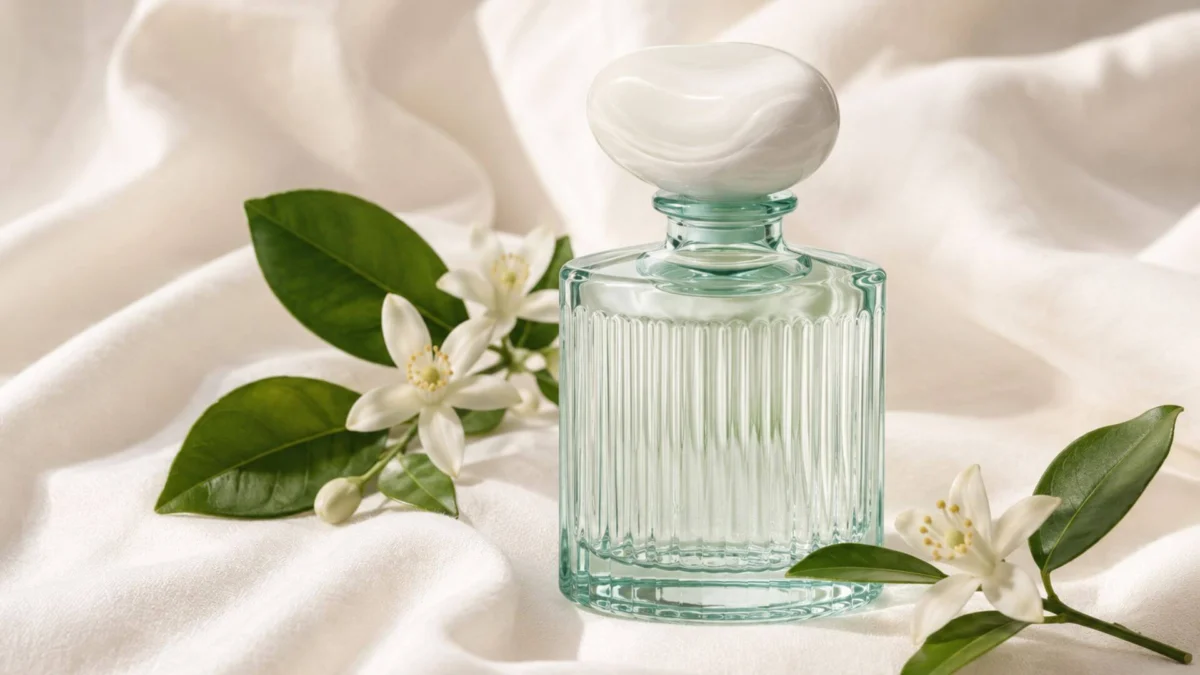
The global fragrance industry has witnessed a significant shift in consumer preferences toward "clean" and "nostalgic" scent profiles, a trend exemplified by the recent market performance of citrus-floral compositions such as Eau de Rochas Néroli Azur. As of mid-2026, the luxury perfume sector is increasingly leveraging the psychological link between scent and memory, specifically targeting the olfactory associations of childhood, serenity, and domestic comfort. This movement marks a departure from the heavy, gourmand, and oud-heavy scents that dominated the previous decade, favoring instead the transparency of neroli, the green bitterness of petitgrain, and the soft, skin-like finish of white musk. The resurgence of these notes is not merely a matter of aesthetic preference but a calculated response to a consumer base seeking emotional grounding and "olfactory wellness" in an increasingly complex global environment.
The Scientific and Psychological Foundation of Nostalgic Scents
The phenomenon of "scent-induced nostalgia" is rooted in the unique architecture of the human brain. Unlike other senses, the olfactory bulb has a direct connection to the amygdala and the hippocampus—the regions responsible for emotion and memory. When a fragrance incorporates notes commonly found in traditional infant care products, such as light citrus and powdery musks, it triggers a subconscious "reset" to a state of perceived safety and simplicity.
Industry analysts observe that the "clean skin" accord, which characterizes fragrances like Eau de Rochas Néroli Azur, mimics the scent of a post-bath ritual. This specific olfactory profile—often described as a mix of warm steam, soft cotton towels, and delicate botanical soaps—has become a cornerstone of the 2026 fragrance market. By blending these "infantile" markers with more sophisticated elements like blood orange, amber, and petitgrain, perfumers are creating a new category of "adult-nostalgic" scents that offer the comfort of the past with the complexity required by modern luxury consumers.

The Botanical Versatility of the Bitter Orange Tree
Central to this olfactory movement is the Citrus aurantium, or the bitter orange tree, a botanical specimen that remains one of the most valuable assets in high-end perfumery. The tree provides three distinct essential oils, each serving a different structural purpose in a fragrance:
- Neroli: Derived from the steam distillation of freshly picked blossoms. It is characterized by its honeyed, metallic, and floral profile. In Eau de Rochas Néroli Azur, neroli provides the "clean" and luminous heart that defines the fragrance.
- Petitgrain: Extracted from the leaves and green twigs of the tree. According to the raw material catalog of Robertet, a world leader in natural aromatic products, petitgrain offers a woody, herbaceous, and slightly bitter aroma. This ingredient is used to ground the sweetness of the flowers, providing a "green" structure that prevents the scent from becoming overly cloying.
- Orange Blossom Absolute: Obtained through solvent extraction of the flowers, resulting in a deeper, more indolic, and sensual scent compared to the airy nature of neroli.
The interplay between neroli and petitgrain is what allows modern colognes to maintain a balance between "floral innocence" and "botanical sophistication." This dual nature is the technical secret behind why a fragrance can simultaneously evoke a 1990s nursery and a high-end Mediterranean resort.
Historical Context: The Legacy of the Princess of Nerola
The cultural significance of neroli dates back to the late 17th century, providing a historical pedigree that luxury brands continue to emphasize. Anne Marie Orsini, the Princess of Nerola, Italy, is credited with popularizing the essence of the bitter orange flower. She utilized the oil to perfume her gloves, stationery, and bath water, effectively establishing a standard for aristocratic hygiene and elegance.
This historical association with royalty and high-society rituals adds a layer of "prestige nostalgia" to modern formulations. When brands like Rochas or 100BON market neroli-based products, they are tapping into a lineage of cleanliness that spans centuries, moving from the courts of Italy to the modern luxury vanity. The 2025 release of Eau de Rochas Néroli Azur is seen as a contemporary tribute to this lineage, updated with modern synthetic musks to ensure longevity on the skin—a common critique of traditional 17th-century colognes.

Product Analysis: Eau de Rochas Néroli Azur and 100BON
The current market offers two distinct paths for consumers seeking this nostalgic citrus profile. Eau de Rochas Néroli Azur, positioned as a premium eau de toilette, utilizes a top-heavy structure of mandarin and blood orange. This "juicy" opening is designed to provide an immediate burst of energy, which then transitions into a heart of petitgrain bigarade and lemon petitgrain. The inclusion of lemon petitgrain is a specific technical choice that adds a zesty, almost crushed-leaf freshness that differentiates it from the original 1970 Eau de Rochas.
Market data from major retailers like El Corte Inglés indicates a high demand for this specific flanker. Originally priced at 110 euros for a 100ml bottle, it has recently seen aggressive promotional pricing at 53.90 euros, signaling a strategy to capture a wider demographic during the peak summer and early autumn seasons.
In contrast, the French house 100BON offers a more "botanical-forward" alternative with its Néroli & Petitgrain expression. This fragrance leans more heavily into the floral aspects of the bitter orange tree, incorporating jasmine and orange blossom to create a "Mediterranean garden" effect. With a current price point of 27.30 euros for 50ml (down from 39 euros), 100BON targets the "clean beauty" and "natural perfumery" segment, appealing to consumers who prioritize ingredient transparency and eco-conscious packaging.
Chronology of the "Clean Scent" Evolution (1970–2026)
To understand the current dominance of neroli, one must look at the timeline of its evolution within the Rochas portfolio and the wider industry:

- 1970: Launch of the original Eau de Rochas. It revolutionized the market as one of the first "Eaux Fraîches" for women, moving away from heavy perfumes toward mineral and citrus transparency.
- 1990s: The "Baby Cologne" boom. Brands began marketing light, alcohol-free citrus waters specifically for children, cementing the association between neroli/musk and infancy for an entire generation.
- 2010s: The rise of heavy "Oud" and "Gourmand" (sweet/food-like) scents. Neroli took a backseat to vanilla, praline, and incense.
- 2020–2023: Post-pandemic shifts. Consumer interest in "wellness" and "aromatherapy" scents surged. Scent was increasingly used as a tool for anxiety reduction.
- 2025: Launch of Eau de Rochas Néroli Azur. The fragrance is engineered to bridge the gap between the 1970 mineral freshness and the 1990s childhood nostalgia.
- 2026: Market saturation of "Skin Scents." The industry sees a 15% year-over-year increase in fragrances marketed with "clean," "soapy," or "nurturing" descriptors.
Economic Implications and Market Data
The shift toward neroli-based fragrances has significant implications for the global supply chain. The demand for high-quality bitter orange blossoms has driven prices for neroli essential oil to record highs, often exceeding $2,500 per kilogram depending on the harvest quality in Tunisia, Morocco, and Egypt.
According to 2026 industry reports, the "Fresh and Citrus" fragrance family now accounts for approximately 28% of the global prestige fragrance market, a 5% increase from five years prior. Analysts attribute this to two main factors:
- Gender Neutrality: Neroli and petitgrain are inherently gender-neutral notes, making these fragrances highly attractive to Gen Z and Alpha consumers who reject traditional gendered marketing.
- Workplace Suitability: As professional environments move toward "scent-sensitive" policies, light, soapy, and citrus-based fragrances are viewed as more socially acceptable than heavy orientals or florals.
Broader Impact: The Future of Olfactory Minimalism
The popularity of fragrances that "smell like clean skin" suggests a broader cultural movement toward minimalism and authenticity. In an era of digital saturation, the physical sensation of "freshness" acts as a luxury. Experts in sensory branding suggest that we are entering an era of "Olfactory Quiet Luxury," where the goal is not to project a scent across a room, but to create a private "scent bubble" that provides personal comfort.
Statements from industry insiders at Robertet and other raw material houses suggest that the next frontier will be "functional perfumery"—scents that not only smell like childhood memories but are chemically formulated to lower cortisol levels. The use of neroli, which has long been used in traditional medicine to treat anxiety and insomnia, is at the forefront of this research.

In conclusion, the success of Eau de Rochas Néroli Azur and similar compositions represents more than a passing trend. It is a sophisticated convergence of botanical science, historical prestige, and psychological necessity. By capturing the essence of the bitter orange tree, perfumers are providing a modern solution to the age-old human desire for purity, memory, and peace. As the market continues to evolve, the "clean" scent of neroli and petitgrain is expected to remain a staple of the luxury landscape, serving as a permanent bridge between our earliest memories and our adult aspirations.

0 Comments