
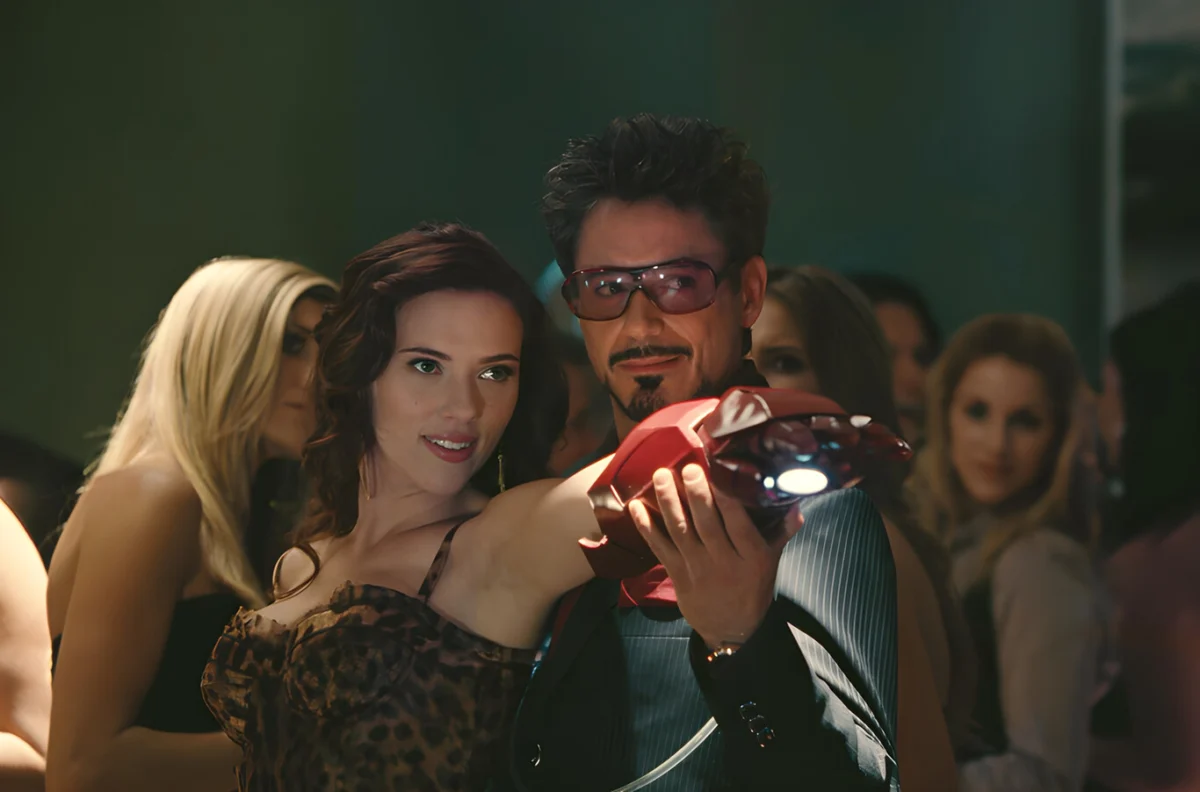
The year 2010 represented a pivotal moment for Marvel Studios as it sought to expand upon the foundation laid by the 2008 surprise hit Iron Man. Under the direction of Jon Favreau, Iron Man 2 was tasked with the dual responsibility of continuing Tony Stark’s personal narrative while simultaneously laying the groundwork for a broader interconnected universe. At the time of its release, the sequel faced significant scrutiny from critics and audiences alike, often dismissed as a secondary entry that prioritized world-building over a cohesive plot. However, in the current climate of the Marvel Cinematic Universe (MCU)—characterized by reports of visual effects (VFX) fatigue, inconsistent writing, and a saturation of content—Iron Man 2 has undergone a significant critical re-evaluation. Industry analysts and fans now point to the film’s use of practical effects, character-driven subplots, and its satirical take on the military-industrial complex as elements that have allowed the film to age more gracefully than many of its modern counterparts.
The 2010 Context: Building a Cinematic Universe
When Iron Man 2 debuted in May 2010, the "Cinematic Universe" concept was still an unproven gamble. The film followed Tony Stark (Robert Downey Jr.) as he grappled with his declining health—caused by the very palladium core keeping him alive—and the political pressure to share his technology with the United States government. The production was marked by high expectations and a rigorous schedule, as Marvel Studios was eager to maintain the momentum of its burgeoning franchise.
During its initial theatrical run, the film was criticized for being overstuffed. Critics argued that the inclusion of S.H.I.E.L.D. subplots and the introduction of Nick Fury (Samuel L. Jackson) felt like "commercials" for the then-upcoming Avengers film. Mickey Rourke’s portrayal of Ivan Vanko (Whiplash) was also a point of contention; Rourke himself later expressed dissatisfaction with the final cut, stating in various interviews that much of the character’s depth and nuance was lost in the editing room to make more space for franchise-building elements. Despite these internal and external criticisms, the film grossed over $623 million worldwide, confirming that the public’s appetite for the character remained strong.

Technical Artistry: The Shift from Practicality to Digital Dominance
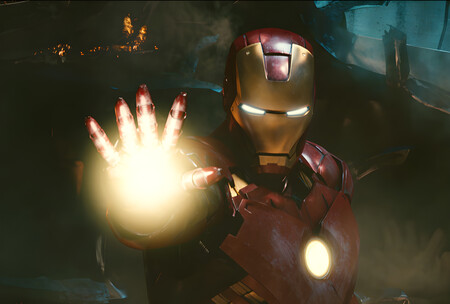
One of the primary reasons for the modern appreciation of Iron Man 2 lies in its visual presentation. In 2010, the MCU still relied heavily on a blend of practical effects and computer-generated imagery (CGI). The "Suitcase Armor" (Mark V) sequence in Monaco remains a high-water mark for the franchise, utilizing physical props and intricate mechanical designs that provided the armor with a sense of weight, texture, and physical presence.
In contrast, contemporary MCU entries have faced significant backlash regarding "CGI fatigue." Reports from VFX houses have highlighted grueling schedules and late-stage creative changes that have led to "rubbery" or unfinished-looking digital effects in recent phases. By revisiting Iron Man 2, viewers are reminded of an era where the suits felt like heavy machinery rather than seamless digital "nanotech" overlays. This tactile quality, achieved through the collaboration of Legacy Effects and Industrial Light & Magic (ILM), provided a grounded aesthetic that many critics argue has been lost in the pursuit of more fantastical, cosmic scales.
Character Dynamics and the Introduction of Black Widow
Iron Man 2 served as the crucial entry point for Natasha Romanoff, also known as Black Widow, portrayed by Scarlett Johansson. While the character’s introduction was initially viewed through a lens of stylized action, her presence established a long-term archetype for the MCU: the grounded, highly skilled human operating among "gods" and "monsters." The hallway fight sequence, choreographed to showcase physical prowess rather than energy blasts, set a standard for hand-to-hand combat in the franchise.
Furthermore, the film’s secondary antagonist, Justin Hammer (played by Sam Rockwell), has seen a resurgence in popularity. Hammer was designed as a dark reflection of Tony Stark—a corporate rival who possessed Stark’s ego but lacked his genius and moral compass. Rockwell’s performance is now cited as a brilliant piece of satire regarding the incompetence of the private defense sector. As the MCU moves toward projects like Armor Wars, rumors regarding Hammer’s return suggest that the character’s impact outlasted the film’s original lukewarm reception.

Critical Reception and Financial Performance Metrics
To understand the trajectory of Iron Man 2, it is necessary to examine the data surrounding its release. On the review aggregator Rotten Tomatoes, the film currently holds a 72% approval rating. While "Fresh," this score sits significantly lower than the original Iron Man (94%) and even the divisive Iron Man 3 (79%).
Comparison of the Iron Man Trilogy (Box Office and Critical Data):
- Iron Man (2008): $585.8 Million Worldwide | 94% Rotten Tomatoes
- Iron Man 2 (2010): $623.9 Million Worldwide | 72% Rotten Tomatoes
- Iron Man 3 (2013): $1.215 Billion Worldwide | 79% Rotten Tomatoes
The data indicates that while Iron Man 2 was a financial success, it suffered from "middle-child syndrome." It lacked the novelty of the first film and the massive "post-Avengers" box office bump of the third. However, the 72% rating now looks favorable compared to recent MCU "Rotten" entries such as Ant-Man and the Wasp: Quantumania (46%) or Eternals (47%). This shift suggests that the "floor" for quality in superhero cinema has moved, making the technical competence of Iron Man 2 more apparent in retrospect.
A Chronology of Key Marvel Cinematic Universe Milestones
To appreciate where Iron Man 2 fits, one must look at the timeline of the franchise’s development:
- May 2008: Iron Man launches Phase 1.
- May 2010: Iron Man 2 introduces Black Widow and the concept of a shared universe.
- May 2012: The Avengers culminates Phase 1, proving the shared universe model.
- April 2019: Avengers: Endgame concludes the "Infinity Saga," leading to a period of experimentation and rapid expansion.
- 2021–2023: Phase 4 and 5 introduce Disney+ series, leading to concerns regarding "content bloat" and quality control.
- 2024–2025: Marvel Studios announces a "quality over quantity" pivot, reducing the number of annual releases.
The Future of the MCU: A Strategic Pivot
The re-evaluation of earlier films like Iron Man 2 comes at a time when Marvel Studios is undergoing a significant strategic shift. Following a series of underperformances, Disney CEO Bob Iger and Marvel Studios President Kevin Feige have signaled a return to more focused storytelling.
Part of this strategy involves leaning on established star power and nostalgia. The recent announcement at San Diego Comic-Con regarding Robert Downey Jr.’s return to the franchise—not as Tony Stark, but as the villainous Victor von Doom (Doctor Doom)—has sent shockwaves through the industry. This move, coupled with the return of directors Joe and Anthony Russo for Avengers: Doomsday and Avengers: Secret Wars, suggests a desire to return to the creative heights of the late 2010s.
Furthermore, the franchise is looking to stabilize its theatrical presence with projects like Spider-Man: Brand New Day, which reportedly aims to return the character to his "street-level" roots, moving away from the multiversal chaos that has dominated recent narratives. This "back-to-basics" approach mirrors the grounded, character-focused elements that fans are now finding so appealing in Iron Man 2.
Broader Impact and Implications for the Genre
The legacy of Iron Man 2 serves as a case study for the superhero genre at large. It demonstrates that films once dismissed as "transitional" can gain value as the genre evolves. The film’s exploration of legacy—specifically Tony Stark’s relationship with his father, Howard Stark—provided the emotional backbone for the character’s entire arc, culminating nearly a decade later in Endgame.
For audiences, the availability of the film on Disney+ has allowed for a "binge-watch" perspective, where the S.H.I.E.L.D. subplots that felt intrusive in 2010 now feel like essential world-building. For the industry, the film stands as a reminder that practical stunts and a charismatic cast can often outweigh the need for high-stakes, world-ending threats.

As Marvel Studios prepares for its next era, the lessons of the past are becoming increasingly relevant. Whether it is the return of Robert Downey Jr. or a renewed focus on practical action, the studio appears to be acknowledging that the foundation laid by films like Iron Man 2 was more solid than critics originally believed. While it may not be the pinnacle of the MCU, its technical reliability and foundational character work make it an essential piece of cinematic history that warrants a second look in the current streaming era.

0 Comments