
 Lina Irawan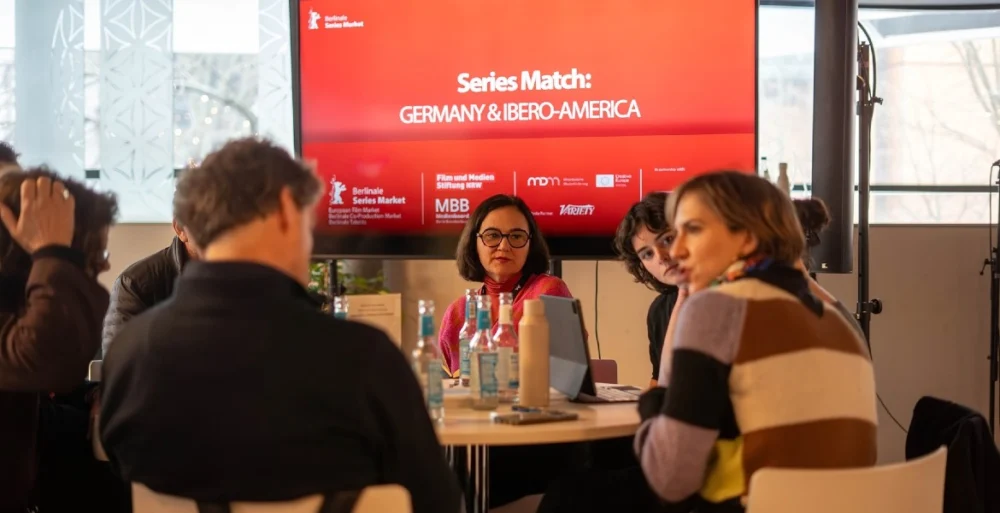
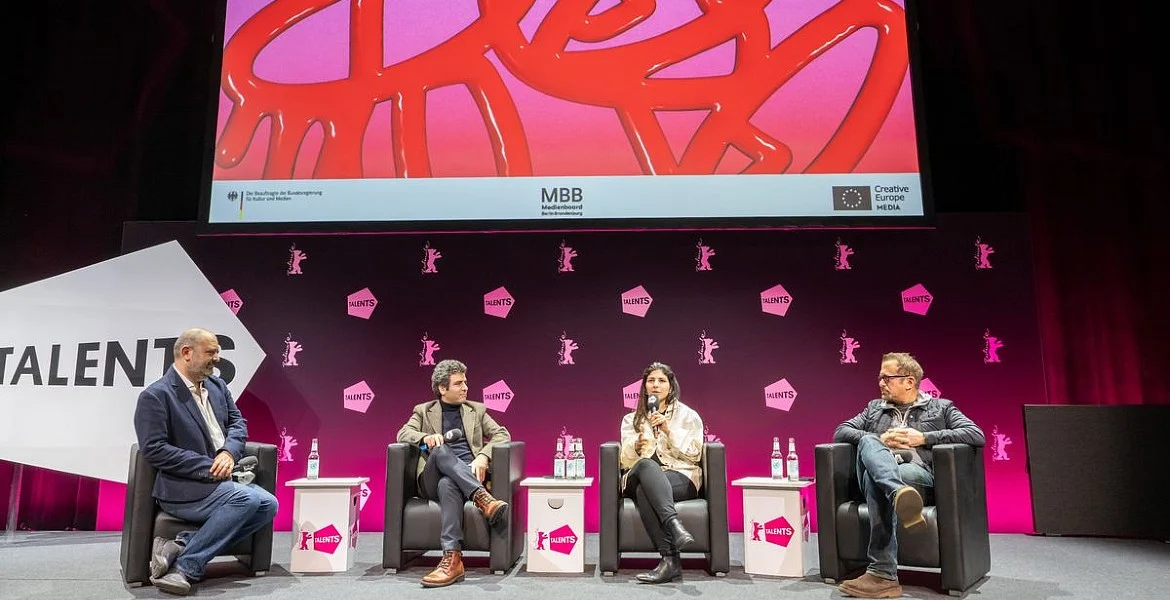
The European Film Market (EFM) of the Berlinale has officially launched a new era of transatlantic cooperation with the successful conclusion of the first edition of "Series Match: Germany & Ibero-America." This strategic initiative, a collaborative venture between the Berlinale Series Market and Iberseries & Platino Industria, brought together ten high-caliber production companies—five from the German-speaking territories and five from across Ibero-America—to pitch and develop series projects in their early stages. Held between February 16 and 17, the program served as a high-level forum for creators, producers, and financiers to establish the groundwork for future co-productions that bridge the gap between European and Latin American storytelling.
A Strategic Bridge for Global Narratives
The primary objective of Series Match is to facilitate the creation of premium episodic content capable of resonating on a global scale. By focusing on projects in the initial development phase, the program allows for the integration of international perspectives from the ground up, ensuring that financial and creative structures are optimized for multiple markets. The initiative specifically targets the Spanish, Portuguese, and German-speaking markets, which represent some of the most robust and rapidly growing sectors in the global streaming and television landscape.
The timing of this initiative coincides with a broader industry shift toward non-English language "prestige" content. As global platforms seek narratives that offer local authenticity with international production values, the partnership between Germany—a powerhouse of European television engineering and distribution—and Ibero-America—a region known for its rich narrative heritage and burgeoning creative talent—offers a formidable synergy.
Spotlight on Ibero-American Innovation
The selection of Ibero-American projects for this inaugural edition reflected a diverse array of genres, from historical dramas to psychological thrillers. Each project was chosen for its potential to scale internationally while maintaining a distinct cultural identity.
One of the most anticipated presentations came from the Brazilian production house Boutique Filmes. They introduced "A casa das setes mulheres" (The House of the Seven Women), a project penned by Angela Chaves. This series represents a modern, female-centric reinterpretation of a classic Brazilian historical narrative. By revisiting a story deeply rooted in the national consciousness through a contemporary lens, Boutique Filmes aims to appeal to both a nostalgic domestic audience and an international viewership interested in sophisticated period drama.
From Chile, the production company Villano presented "Tierra Quemada," a psychological suspense series. Chile has established itself as a leader in the "Southern Noir" genre, and "Tierra Quemada" seeks to continue this trend by blending atmospheric tension with complex character studies. The project highlights Chile’s ongoing commitment to high-end genre storytelling that explores the darker facets of the human condition.
Uruguay’s Alterna Media brought a project of significant historical and artistic weight: "El abuso" (The Abuse). Directed by the Academy Award-nominated Fernando Meirelles (of "City of God" fame) and César Charlone, the series is set in 1971 Uruguay. It dramatizes the real-life prison break of over 100 inmates, many of whom were members of the Movimiento de Liberación Nacional-Tupamaros. The involvement of Meirelles and Charlone underscores the "premium" nature of the Series Match selection, signaling projects that carry significant auteurist prestige.
Rounding out the Ibero-American selection were "Assassinos no Paraiso" from Brazil’s Movioca Films in partnership with Ginga Stories, and "Callback," a Spanish project from the Catalan-based Funicular Films. These projects demonstrate the geographic breadth of the initiative, covering the major production hubs of the Iberian Peninsula and South America.
The German Participation: A Pillar of Production Excellence
On the German side, the participation of legacy production houses and modern content giants provided a stable foundation for the exchange. The five companies involved—Zeitsprung, UFA, SKP Entertainment, Studio Zentral, and Beta Film—represent the pinnacle of the German audiovisual industry.
UFA, with its century-long history, and Beta Film, a global leader in distribution and production, brought a wealth of experience in navigating international markets. Their involvement in Series Match suggests a keen interest from the German industry in diversifying its portfolio through partnerships with Latin American creators. For German producers, Ibero-America offers not only diverse filming locations and competitive production costs but also a gateway to the massive Spanish-speaking audience in both the Americas and Europe.
The exchange focused on aligning German technical expertise and financial structures with the creative dynamism and narrative innovation of Ibero-American writers and directors. This "matching" process is designed to result in co-productions that are eligible for various European and Latin American subsidies, thereby de-risking the development of ambitious, large-scale series.
Costa Rica’s Strategic Ascent in the Global Market
Parallel to the Series Match activities, the EFM hosted a significant delegation from Costa Rica, led by the Costa Rican Film Commission and the Foreign Trade Corporation of Costa Rica (PROCOMER). This presence marks a deliberate move by the Central American nation to transition from a sought-after filming location to a recognized hub for original content and creative services.
Marysela Zamora, the Costa Rican Film Commissioner, emphasized the strategic nature of their participation. According to Zamora, the Costa Rican film industry is currently in a state of "effervescence," with local talent and stories increasingly gaining international recognition. This momentum is supported by a comprehensive national strategy that includes audiovisual incentives, industry strengthening programs, and the designation of "Film Friendly Zones."
"Our goal is to consolidate Costa Rica as a key point for international productions in Central America," Zamora stated. "At the same time, we are working to ensure our cinema and content can travel and connect with global audiences."
The Costa Rican strategy is multi-faceted. By participating in the Latin American Corner at the EFM, the delegation shared networking spaces and participated in panels that highlighted specific technical talents. A notable example was the inclusion of sound designer Nayuribe Montero in the festival’s official programming, showcasing the high level of post-production expertise available in the country.
Creative Projects and Talent from the "Rich Coast"
The Costa Rican delegation also included a diverse group of professionals: composer Diego Esnaurrizar Ramírez of Aracella Sound, producer Pablo Wong of Destello Films, and sales specialist Jainer Morales. This variety indicates Costa Rica’s intent to promote its entire audiovisual ecosystem, from pre-production through to international sales.
Two specific film projects were showcased to highlight the country’s creative range. "Abril," a comedy directed by Hernán Jimenez and produced by Witch Rock Films, is currently in the distribution phase. The film, which follows a divorced woman’s attempts to reconnect with her daughter, represents the commercial potential of Costa Rican cinema in the dramedy genre.
In contrast, "Mapache," directed by Pablo Wong, is a hybrid feature currently in development. The film tells the unique story of a man nicknamed Mapache, a former participant in the Nicaraguan Sandinista Revolution who redirected his life toward the protection of Costa Rican biodiversity. Currently working as a guide in the Upala mountains, the protagonist’s life serves as a bridge between the region’s turbulent political history and its current status as a global leader in environmental conservation.
Industry Implications and Economic Outlook
The activities at the 2024 EFM underscore a growing trend of "inter-regionalism" in the film and television industry. As the cost of high-end production continues to rise, and as audiences become more accustomed to subtitled content, these bilateral matches are becoming essential.
The Series Match: Germany & Ibero-America initiative is more than just a networking event; it is a laboratory for the future of the industry. By fostering these connections, the EFM is helping to create a more resilient and interconnected global production network. For Ibero-American producers, the link to Germany provides access to the sophisticated European television market. For German producers, it offers a fresh infusion of narrative energy and access to one of the world’s fastest-growing demographics.
Furthermore, the focused participation of countries like Costa Rica illustrates the democratization of the global industry. Nations that were previously seen as secondary players are now leveraging specific policy tools—such as the Costa Rica Media Market and tax incentives—to compete on the world stage.
As the Berlinale concludes, the impact of these meetings will likely be seen on screens in the coming years. The projects presented in Berlin represent the next wave of "prestige" television, characterized by international financing, diverse creative teams, and stories that, while deeply local in their origins, possess a universal appeal that transcends borders. The success of this first Series Match edition sets a strong precedent for future festivals, suggesting that the future of the "Golden Age of Television" is increasingly collaborative and cross-continental.


 Eva Lovia
 Julia Chirkova
 Julia Prastini
 Nila Kartika Wati
 Jia Lissa
 admin
admin