
The global fashion landscape has undergone a significant shift over the last decade, with Copenhagen Fashion Week (CPHFW) emerging from a regional showcase to a premier international destination that rivals the traditional "Big Four" of New York, London, Milan, and Paris. As the Autumn 2026 season approaches, the street style witnessed in the Danish capital has provided a definitive blueprint for the silhouettes, palettes, and styling techniques that will dominate the coming months. The Danish fashion philosophy, often characterized by a seamless blend of pragmatic minimalism and daring maximalism, was on full display, proving once again that Scandinavian women are among the world’s most influential trendsetters. This season, the focus is squarely on six specific dress trends that encapsulate the "Copenhagen Look": a mixture of romanticism, graphic boldness, and architectural simplicity.
The Evolution of Copenhagen Fashion Week: A Global Authority
To understand the significance of the trends emerging from Copenhagen, one must look at the event’s rapid ascent. Originally established as a niche platform for Nordic designers, CPHFW has transformed into a global leader, particularly in the realm of sustainability. Since 2023, the event has enforced strict sustainability requirements for all participating brands, mandating the use of at least 50% certified organic, recycled, or upcycled materials. This commitment to ethics has not stifled creativity; rather, it has fostered a new aesthetic of "conscious luxury."

The Autumn 2026 edition, held in early August, served as a transitional bridge. The street style reflected a unique "in-between" period where summer lightness met the structural demands of the approaching cold. Attendees demonstrated a masterclass in layering, proving that the dress is not merely a single-piece outfit but a versatile foundation for complex, multi-textured looks.
1. The Short Printed Tunic: A Study in Layering
One of the most prominent trends observed on the streets of Copenhagen was the return of the short printed tunic, reimagined through the lens of early 2000s nostalgia but executed with modern sophistication. Unlike the ultra-mini dresses of previous seasons, the 2026 iteration leans toward a boxy, t-shirt-inspired silhouette.
The trend was most effectively worn over fluid, dark trousers—a styling choice that has become a hallmark of the "Scandi-girl" aesthetic. By pairing vibrant, high-contrast prints with neutral bottoms, the look achieves a balance between playfulness and maturity. Footwear played a crucial role here; many show-goers opted for colorful sandals or delicate ballet flats to maintain a sense of lightness. As the season progresses into September and October, industry analysts expect this silhouette to transition seamlessly into winter through the addition of knee-high boots and oversized wool coats.

2. Retro Zigzag Knits: The Graphic Revival
The influence of 1970s graphic design made a powerful comeback in the form of the zigzag knit dress. While reminiscent of heritage brands like Missoni, the Copenhagen version for Autumn 2026 focuses on a more muted, earthy color palette combined with architectural accessories.
The key to this trend’s success in 2026 is the silhouette. These are not the clingy knits of the past; instead, they feature heavy draping and a midi-to-maxi length that provides significant movement. To prevent the graphic print from overwhelming the wearer, Danish stylists utilized wide leather belts to cinch the waist, creating a defined hourglass shape. This trend highlights a broader industry shift toward "tactile graphics"—prints that are integrated into the weave of the fabric rather than stamped on top, adding a layer of luxury and depth to the garment.
3. The Reimagined Polka Dot: Brown is the New Black
Polka dots are a perennial fashion staple, but for the Autumn 2026 season, they have undergone a coloristic evolution. The classic black-and-white pairing has been sidelined in favor of a warm, chocolate brown and cream combination. This shift aligns with the broader "Quiet Luxury" movement, which prioritizes softer, more natural tones over harsh contrasts.

In Copenhagen, the preferred silhouette for this print was the pinafore or "pichi" style dress. This choice allows for maximum versatility through layering. The most notable street style looks featured these brown polka-dot dresses worn over bright, contrasting long-sleeved shirts—such as pale yellows or soft oranges. This approach transforms a traditionally "sweet" print into a sophisticated, fashion-forward statement. Market data suggests that searches for "brown patterned dresses" have increased by 45% year-on-year, indicating a strong consumer appetite for this updated classic.
4. The Architectural White Shirt Dress: Minimalist Presence
While much of Copenhagen’s fame comes from its use of color, the Autumn 2026 street style proved that the Danes still lead the world in minimalism. The long, white shirt dress appeared as a dominant force, though it was far from basic.
The 2026 version of the shirt dress is defined by its length—reaching the ankles—and its structural details. Knotted waists, asymmetrical buttoning, and exaggerated cuffs transform the garment from a simple staple into a piece of wearable architecture. When styled with bicolor shoes and worn over slim-fit trousers, the look exudes a "corporate chic" energy that is both professional and avant-garde. This trend reflects the ongoing "Office Siren" aesthetic, which seeks to bring high-fashion sensibilities into everyday workwear.

5. The Embroidered Babydoll: Romanticism with an Edge
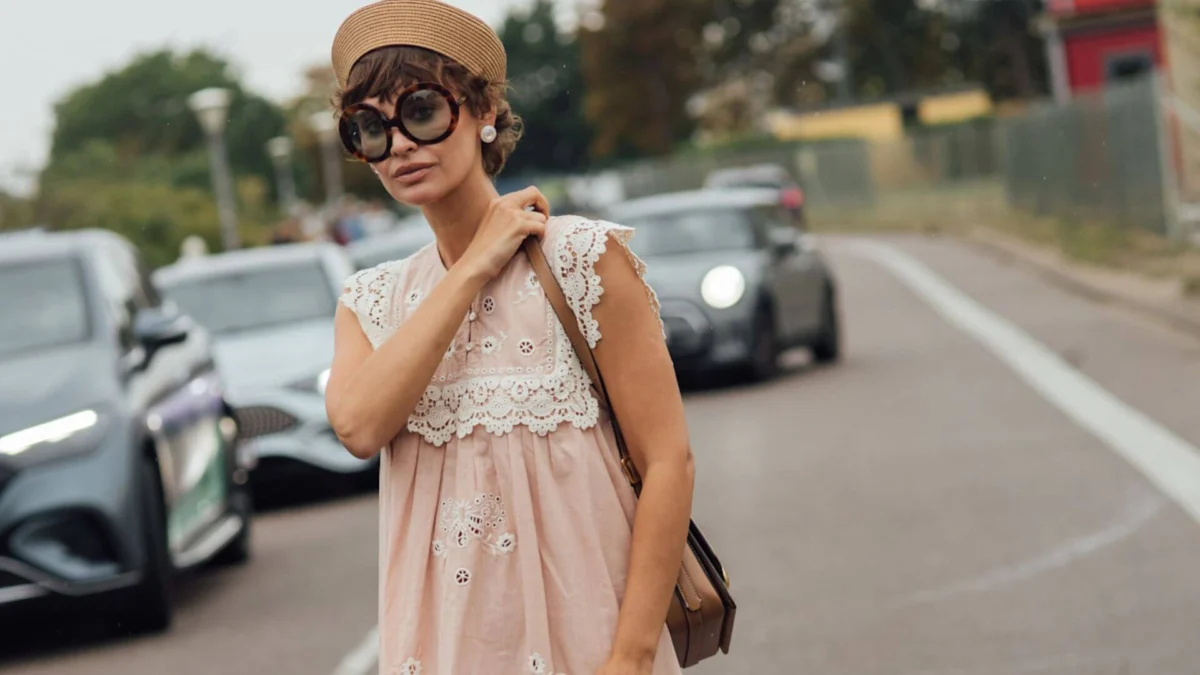
Romanticism remains a core pillar of Scandinavian design, largely driven by the global success of brands like Cecilie Bahnsen. For the upcoming autumn, the babydoll dress—characterized by a high waist and voluminous skirt—is being rendered in delicate embroidery and lace, specifically in shades of dusty rose and powder pink.
However, the Copenhagen interpretation avoids being overly "preppy" by incorporating "hard" accessories. Street style stars paired these ethereal dresses with black studded ballet flats, chunky loafers, or dark, oversized eyewear. This juxtaposition of "soft" and "hard" is essential for the 2026 season. It allows the wearer to embrace femininity without sacrificing a modern, urban edge. Analysts note that this trend is particularly popular among Gen Z and Millennial consumers who value "mood-board" styling—mixing different subcultural aesthetics into a single outfit.
6. The Black XL Ruffle Dress: Controlled Drama
The final major trend identified is the oversized black dress featuring XL ruffles. This is a "statement" piece in the truest sense, utilizing volume to create a dramatic, sculptural silhouette. While a large, ruffled black dress might seem more suited for an evening gala, the Danish fashion set brought it into the daylight by layering it over simple white t-shirts.

This "casualization" of formal silhouettes is a recurring theme in 2026. By adding flat shoes and a minimalist leather bag, the drama of the ruffles is tempered, making the look suitable for the street. The movement provided by the tiers of fabric creates a dynamic visual that photographs exceptionally well, contributing to its viral status on social media platforms like TikTok and Instagram.
Chronology and Market Impact
The trends observed during the first week of August 2026 did not appear in a vacuum. The chronology of the week showed a clear progression:
- Days 1-2: Focused on "Clean Girl" minimalism, dominated by the white shirt dress and neutral knits.
- Days 3-4: Saw an explosion of color and print, where the zigzag patterns and brown polka dots took center stage.
- Closing Days: Dedicated to "Scandi-Maximalism," featuring the XL ruffles and heavy embroidery.
According to retail data from major European fashion platforms, the "Copenhagen Effect" usually results in a 30% spike in sales for featured silhouettes within six weeks of the event. For Autumn 2026, the industry expects a surge in demand for "transitional layering pieces," specifically dresses that can be worn over trousers or under heavy knitwear.

Industry Reactions and Analysis
Fashion editors and buyers attending the event noted that the 2026 street style felt more "grounded" than in previous years. "There is a shift away from ‘costume’ dressing toward ‘functional fantasy,’" remarked one senior buyer from a major London department store. "These women are riding bikes, going to work, and attending shows, all in the same outfit. The clothes have to perform."
The broader implication of these six trends is a move toward "Personalized Uniforms." Rather than following a single aesthetic, the Autumn 2026 season encourages individuals to mix and match these disparate elements—pairing a romantic babydoll with a graphic zigzag belt, or a minimalist shirt dress with dramatic XL ruffles.
Conclusion: The Future of the Autumn Wardrobe
As the fashion world looks toward the remainder of 2026, the influence of Copenhagen is undeniable. The six dress trends identified—ranging from the short printed tunic to the architectural white shirt dress—offer a comprehensive guide for the modern woman. They represent a rejection of "disposable fashion" in favor of versatile, high-quality pieces that can be recontextualized through creative styling. In the world of Autumn 2026, the dress is no longer just a garment; it is a tool for self-expression, a feat of sustainable engineering, and a testament to the enduring power of the Scandinavian aesthetic.

0 Comments