
 Lana Rhoades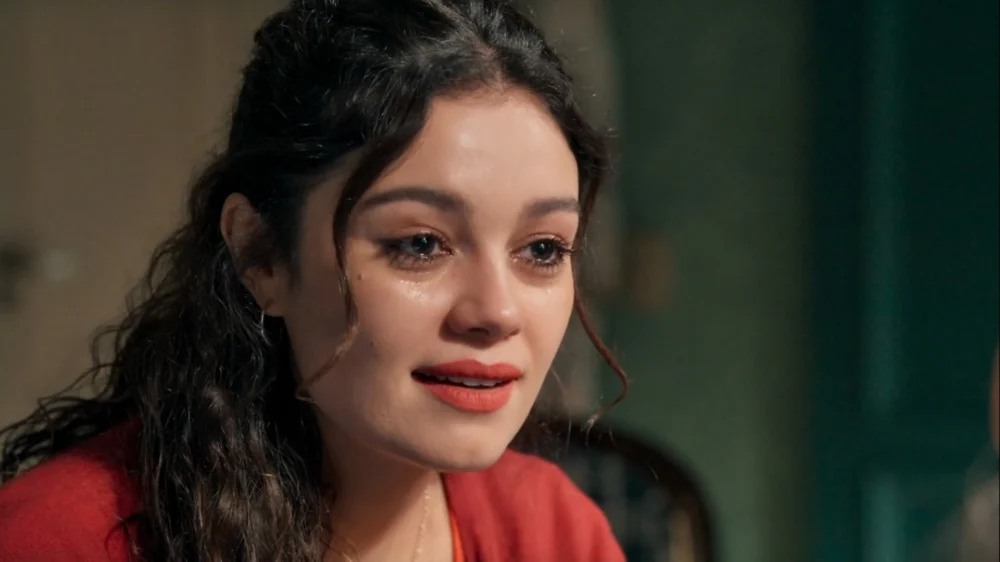
The Weight of Truth: Gerluce’s Confession
The moment of truth unfolded under immense pressure, a culmination of mounting suspicion and forensic detective work. Paulinho, increasingly wary of Gerluce’s evasive behavior and inconsistent accounts, meticulously gathered a body of evidence that incontrovertibly linked her to the audacious crime. Faced with irrefutable proof, Gerluce found herself with no viable escape, compelled to confess that the robbery of the multi-millionaire sculpture was far from a simple act of illicit enrichment. Her confession was not merely an admission of guilt but a dramatic unveiling of a complex motivation rooted in deep personal sacrifice and a desperate quest for justice. The narrative pivots from a straightforward crime procedural to a profound exploration of ethics, family loyalty, and the systemic failures that push individuals to extreme measures.
Gerluce’s confession to her mother, Lígia (Dira Paes), provided the crucial missing piece of the puzzle, revealing the statue’s true significance. The seemingly innocuous art piece was, in fact, a sophisticated concealment for a substantial fortune in illicit cash. This vast sum was directly linked to the criminal enterprise orchestrated by the ruthless Santiago Ferette (Murilo Benício), involving the widespread falsification of life-saving medications. Gerluce’s primary objective in orchestrating the heist was to appropriate this dirty money, not for personal gain, but to procure genuine pharmaceuticals and fund essential medical treatments for her ailing mother and other vulnerable members of their community in Chacrinha, all of whom had fallen victim to the nefarious scheme perpetuated by the Ferette Foundation. This altruistic, albeit illegal, motivation adds layers of complexity to Gerluce’s character, transforming her from a simple criminal into a tragic figure driven by a profound sense of responsibility and love.
A Deep Dive into the Characters and Their Motivations
The central figures in Três Graças are intricately woven into this unfolding drama, each facing their own moral and ethical quandaries.
- Gerluce (Sophie Charlotte): Her journey from a seemingly innocent caregiver to the mastermind of a major heist is a testament to the show’s intricate character development. Sophie Charlotte imbues Gerluce with a palpable sense of internal conflict, portraying a woman torn between her innate morality and the desperate measures she feels compelled to take. Her initial "victim" facade was a carefully constructed defense mechanism, designed to deflect suspicion while she navigated the treacherous waters of her secret mission. Her love for Lígia is the driving force behind her actions, highlighting the lengths to which a child will go to protect a parent. The confession, while exposing her crime, also reveals her profound selflessness, making her a sympathetic, if flawed, protagonist.
- Paulinho (Romulo Estrela): As the dedicated detective and Gerluce’s romantic interest, Paulinho embodies the conflict between professional duty and personal affection. Romulo Estrela skillfully portrays the detective’s growing suspicion, the methodical nature of his investigation, and the painful realization that the woman he loves is deeply embroiled in the very crime he is tasked to solve. His pursuit of justice is unwavering, yet his heart is clearly conflicted. This dilemma places him at the heart of the moral struggle, as he must reconcile his love for Gerluce with the unyielding demands of the law.
- Lígia (Dira Paes): Gerluce’s mother and a victim of Ferette’s counterfeit drug scheme, Lígia represents the suffering of the innocent. Dira Paes, known for her powerful dramatic performances, portrays Lígia’s fragility and resilience. Her illness is the catalyst for Gerluce’s desperate plan. The revelation of Gerluce’s criminal actions, while aimed at saving her, will undoubtedly test the profound bond between mother and daughter. Lígia’s forgiveness, or lack thereof, will be a critical emotional arc in the upcoming episodes, exploring themes of sacrifice, guilt, and unconditional love.
- Arminda (Grazi Massafera): Initially presented as the primary victim of the statue theft, Arminda’s role is complex. Her connection to Santiago Ferette and her opulent lifestyle hint at a deeper entanglement with the criminal underworld. Grazi Massafera brings a blend of vulnerability and potential complicity to the character, suggesting that Arminda may not be as innocent as she initially appears. The ongoing investigation will likely expose her own ties to Ferette’s illicit activities, transforming her from a victim into a potential antagonist or an unwitting accomplice.
- Santiago Ferette (Murilo Benício): The ultimate antagonist, Ferette is the embodiment of corporate greed and moral depravity. Murilo Benício’s portrayal of Ferette is chilling, depicting a man who profits from human suffering through his counterfeit medication empire. His foundation, a cynical front for his illicit activities, highlights the hypocrisy and corruption prevalent in certain sectors. Ferette’s vast wealth and influence make him a formidable foe, and his downfall is a central goal for the protagonists.
- Joaquim (Marcos Palmeira): Leading a group of "justiceiros" (vigilantes), Joaquim represents an alternative form of justice, operating outside the conventional legal framework. Marcos Palmeira, a veteran actor, portrays Joaquim with a strong sense of moral conviction, driven by a desire to rectify societal wrongs that the official system often fails to address. His involvement signals a broader, more aggressive confrontation with Ferette’s empire, raising questions about the legitimacy of vigilantism and its role in achieving true justice.
The Genesis of the Conflict: A Timeline of Deception and Desperation
The intricate plot of Três Graças has been meticulously crafted, leading to this explosive confession.
- The Counterfeit Drug Scheme: The narrative’s foundation lies in Santiago Ferette’s ruthless operation, producing and distributing fake medications. This scheme has devastating consequences for vulnerable communities, including Chacrinha, where Lígia resides. The widespread suffering caused by these fraudulent drugs ignited Gerluce’s resolve.
- The Statue’s Secret: Unbeknownst to many, Ferette used a valuable statue housed in Arminda’s mansion as a clandestine repository for the vast sums of cash generated by his illicit trade. This detail elevates the statue from a mere art piece to a symbol of corruption.
- Gerluce’s Desperation and Planning: Witnessing her mother’s deteriorating health due to the fake medicines, and frustrated by the apparent inability of the legal system to hold Ferette accountable, Gerluce began to formulate her audacious plan. She meticulously researched, observing the routines at Arminda’s mansion and understanding the statue’s hidden secret.
- The Robbery: The heist itself was executed with precision, allowing Gerluce to maintain her "victim" facade. The initial reports focused on the stolen art, obscuring the true target: the cash concealed within.
- Paulinho’s Investigation: Detective Paulinho, drawn into the case, began his thorough investigation. His initial interactions with Gerluce were marked by a budding romance, adding a layer of personal conflict to his professional duties. However, inconsistencies in Gerluce’s story and other forensic clues slowly began to paint a different picture.
- Mounting Evidence and Confrontation: Paulinho’s persistent efforts led him to uncover compelling evidence linking Gerluce to the crime, forcing a direct confrontation that shattered her carefully constructed deception.
- The Confession: Faced with the irrefutable truth, Gerluce’s confession to Paulinho, and subsequently to Lígia, ripped open the wound of deception, but also unveiled the profound, albeit illegal, motivation behind her actions.
Legal and Ethical Implications: Justice vs. Morality
While Gerluce’s crime was undeniably committed for a "noble cause" – saving her mother and community from the clutches of a corrupt system – the legal framework does not typically make exceptions for such motivations. Her confession inevitably portends a period of severe legal repercussions. The implications are multi-faceted:
- Criminal Charges: Gerluce faces charges ranging from theft to possibly conspiracy, depending on the intricacies of Brazilian law. The severity of these charges could lead to significant jail time.
- Ethical Dilemma for Paulinho: For Detective Paulinho, this confession presents a profound ethical quandary. His duty to uphold the law clashes directly with his burgeoning feelings for Gerluce and his understanding of her motivations. This internal conflict will be a central theme, testing his professional integrity and personal loyalties.
- Public Perception: The revelation of Gerluce’s motives will likely divide public opinion within the narrative. While some may condemn her actions as criminal, others might view her as a tragic hero, forced into desperate measures by an unjust system. This mirrors real-world debates about civil disobedience and the boundaries of justice.
- The Law’s Rigidity: The storyline highlights the often-impersonal nature of the law, which prioritizes adherence to statutes over subjective moral justifications. It prompts viewers to consider whether justice is truly served when a system fails to protect its most vulnerable citizens, leading individuals to bypass legal channels in pursuit of what they perceive as right.
Broader Impact and Societal Resonance
Três Graças, like many successful Brazilian telenovelas, serves as more than mere entertainment; it functions as a powerful mirror reflecting and critiquing contemporary societal issues. The counterfeit medicine scandal at the heart of the plot resonates deeply within Brazil, where public health challenges and issues of corruption in healthcare are frequently discussed.
- Telenovelas as Social Commentary: TV Globo has a long-standing tradition of producing telenovelas that address significant social issues, from environmental protection (Pantanal) to mental health (Caminho das Índias) and social inequality (Avenida Brasil). Três Graças continues this legacy by shining a harsh light on pharmaceutical fraud, a global problem with severe local consequences. By embedding such a critical issue within a captivating dramatic narrative, the show educates and provokes discussion among its vast audience, influencing public discourse.
- Audience Engagement and Moral Debates: The moral ambiguity of Gerluce’s actions is designed to spark heated debates among viewers. Is she a criminal or a hero? Does the end justify the means? This engagement extends beyond the television screen, fueling social media discussions and critical analyses, thereby amplifying the show’s impact. The emotional investment in characters like Gerluce and Lígia makes these debates intensely personal for the audience.
- The Struggle Against Corruption: The overarching conflict between the protagonists and Santiago Ferette’s empire symbolizes the broader societal struggle against entrenched corruption. The involvement of Joaquim’s "justiceiros" further complicates this theme, raising questions about the effectiveness of official institutions versus the appeal of direct, albeit illegal, action when justice seems unattainable. This taps into a common frustration with systemic inefficiencies and corruption in many societies.
What to Expect: The Unfolding Drama
Gerluce’s confession is merely the tip of a much larger iceberg, unleashing a torrent of consequences that promise to reshape the future of Três Graças.
- Escalation of Conflict: With Gerluce’s truth revealed, the clandestine war against Ferette’s corrupt empire is set to explode into public view. Joaquim, alongside his group of "justiceiros," will likely intensify their efforts, potentially resorting to more direct and confrontational tactics. This will pit the vigilantes against both Ferette’s powerful network and potentially the official law enforcement represented by Paulinho, creating a multi-front conflict.
- Gerluce’s Fate and Paulinho’s Choice: A central question revolves around Gerluce’s legal fate. Will she face the full extent of the law, or will her noble intentions sway the course of justice, perhaps through a sympathetic prosecutor or judge within the narrative? More critically, what will Paulinho choose? Will he fulfill his duty as a detective and ensure Gerluce faces legal consequences, or will his love and understanding of her motives lead him to seek alternative solutions or even compromise his professional integrity? This will be a defining moment for his character.
- Lígia’s Forgiveness and Family Reconciliation: The emotional core of the story will be tested by Lígia’s reaction to her daughter’s confession. While Gerluce acted out of love, Lígia must come to terms with the fact that her daughter became a criminal to save her. The journey towards forgiveness, understanding, and reconciliation between mother and daughter will be fraught with pain and difficult conversations, highlighting the sacrifices and burdens placed upon families in extraordinary circumstances.
- Arminda’s Exposure: As the investigation into Ferette intensifies, Arminda’s connections to the villain will undoubtedly be scrutinized. Her past actions and potential complicity will be brought to light, forcing her to confront her own role in the web of corruption. This could lead to her own downfall or a desperate attempt at redemption.
- The Battle for Justice: Ultimately, the audience awaits to see whether true justice will prevail against Santiago Ferette and his powerful network. Will the combined efforts of Paulinho, Joaquim, and the exposed truth be enough to dismantle his empire and bring him to account? The show promises a dramatic and intense conclusion to this battle, exploring the nuanced definition of justice in a world riddled with moral ambiguities.
The confession of Gerluce marks a turning point, transforming Três Graças from a story of a hidden crime into a complex saga of moral reckoning, societal critique, and the relentless pursuit of justice, regardless of the personal cost. The upcoming chapters are poised to deliver an emotionally charged and intellectually stimulating narrative, solidifying the telenovela’s place as a significant cultural and dramatic production.



 Eva Lovia
 Julia Chirkova
 Julia Prastini
 Nila Kartika Wati
 Lina Irawan
 Jia Lissa