

For decades, the global fragrance industry has been governed by a rigid seasonal dichotomy: light, citrus-forward "eaux de cologne" for the summer and heavy, spice-laden "eaux de parfum" for the winter. However, as the luxury market shifts toward more nuanced olfactory profiles, this traditional boundary is being dismantled. Modern perfumery now recognizes that the transition from a sun-drenched day to a balmy summer evening requires a sophisticated change in scent architecture. When the temperature drops and the humidity shifts, the skin’s chemistry interacts differently with fragrance molecules, allowing for deeper, more resinous, and "gourmand" notes to emerge without becoming overwhelming.
The contemporary consumer is increasingly moving away from the "freshness" mandate of the daylight hours toward scents that offer longevity and narrative depth. This shift is supported by market data from the prestige fragrance sector, which has seen a 12% year-over-year increase in the sales of niche and artisanal scents that prioritize complexity over simple seasonal categorization. In this context, five specific fragrances—ranging from the woody-powdery to the ambery-suede—have emerged as the definitive choices for the summer night.

The Olfactory Shift: Why Evening Summer Scents Require Depth
To understand why traditional summer citruses often fail during evening events, one must look at the volatility of fragrance molecules. Citrus notes, such as bergamot, lemon, and neroli, are "top notes" with small molecular structures that evaporate rapidly in heat. While refreshing during a midday heatwave, they lack the "sillage" (the trail left by a perfume) and the "tenacity" (the length of time it stays on the skin) required for a night that extends from an outdoor dinner to a late-night social gathering.
Conversely, base notes like sandalwood, vanilla, amber, and musk have larger molecular weights. On skin that has been warmed by the sun throughout the day, these notes bloom more slowly and consistently. The following selection represents a curated approach to this "nocturnal summer" aesthetic, balancing the need for sophistication with the environmental realities of the season.
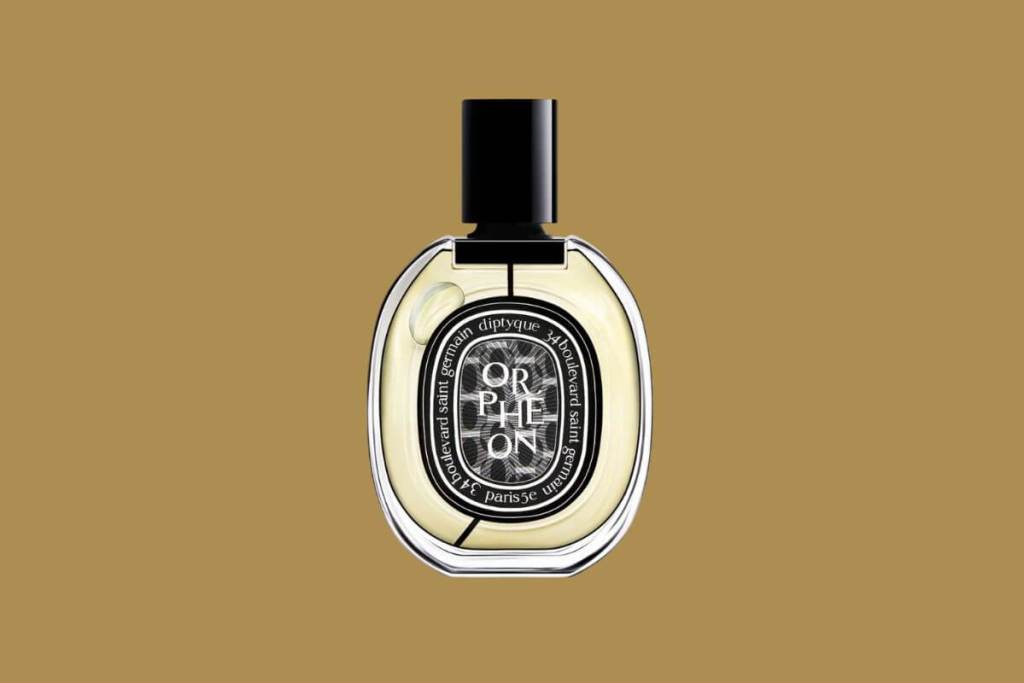
1. Orphéon by Diptyque: A Tribute to Bohemian Sophistication
Diptyque’s Orphéon serves as a departure from the brand’s more transparent, garden-inspired summer offerings. Launched to commemorate the brand’s 60th anniversary, the fragrance is a conceptual recreation of the Orphéon bar, a late-night haunt located next to the original Diptyque boutique on Boulevard Saint-Germain in Paris.

The scent architecture is distinctly woody and powdery, moving away from the "aquatic" tropes of summer. It opens with the sharp, aromatic freshness of juniper berries, which provides an immediate olfactory "coolness" suitable for a warm evening. However, the heart and base are where the fragrance finds its nighttime utility. The inclusion of cedarwood and tonka bean creates a warm, slightly sweet, and tobacco-adjacent trail that mimics the atmosphere of a sophisticated jazz club. The powdery jasmine heart ensures the fragrance remains elegant rather than aggressive.
Market analysts note that Diptyque’s success with Orphéon reflects a broader trend in "memory-based" perfumery, where consumers seek scents that tell a specific story. For a summer night, this fragrance provides a retro-modern edge that pairs effectively with linen tailoring or evening silk.
2. Honey Moon by Phlur: The Rise of the "Skin Scent"
Phlur has become a disruptive force in the fragrance industry, largely due to its mastery of "skin scents"—fragrances designed to smell like a heightened version of the wearer’s natural aroma. Honey Moon is a prime example of a gourmand fragrance that has been calibrated for high temperatures.

Unlike traditional gourmands that can feel cloying or "sticky" in the heat, Honey Moon utilizes a sophisticated honey accord that is more ethereal than sugary. It aims to replicate the sensation of "sun-warmed skin," using soft floral notes and a luminous musk base. This fragrance is particularly effective for intimate summer gatherings. It does not project loudly across a room; rather, it creates a personal "aura" that is only perceptible at close range.
The success of such "intimate" fragrances is backed by consumer behavior data indicating a rise in "fragrance wardrobes," where users select scents based on the specific social distance of an event. Honey Moon represents the "aperitif" phase of a summer evening—approachable, sweet, and understated.
3. 100% by Balenciaga: Contemporary Edge and Structural Depth
Under the creative direction of Demna Gvasalia, Balenciaga’s olfactory output has mirrored its fashion: structural, bold, and unapologetically modern. 100% is a fragrance that rejects the "pretty" floral tropes of summer in favor of something more assertive.
The composition begins with a sharp interplay of bergamot and pink pepper. Pink pepper is a crucial ingredient in modern nighttime perfumery because it provides a "dry" heat that mimics spice without the heavy, cloying weight of cinnamon or cloves. The heart features a classic duo of rose and jasmine, but these are grounded by a base of cedarwood and musk.
This fragrance is designed for the individual who views scent as a finishing accessory to a high-fashion ensemble. It possesses a "metallic" cleanliness that cuts through the humidity of a summer night, making it ideal for urban environments or late-night events in a metropolitan setting. It is a scent of "presence," designed to endure as long as the night itself.
4. Lust in Paradise Extrait de Parfum by Ex Nihilo: The Riviera Intensified
Ex Nihilo’s Lust in Paradise was already a staple of luxury summer perfumery, but the Extrait de Parfum version, formulated by renowned perfumer Louise Turner, elevates the concept for nighttime wear. Turner, known for her ability to balance commercial appeal with artistic depth, increased the concentration and added layers of complexity to the original profile.

The Extrait version focuses on a "hypnotic" floral heart of white peony, but it is the introduction of ginger and pink pepper that transforms it into a nighttime powerhouse. The base of white cedar and musk is amplified, providing a creamy, almost lactonic finish that stays on the skin for over twelve hours.
Turner’s work on this fragrance reflects the "Premiumization" trend in the industry, where brands release higher-concentration versions of popular scents to satisfy consumers looking for "beast mode" performance (extreme longevity and projection). For a summer night on the Mediterranean coast or a high-end rooftop lounge, this fragrance offers an unapologetic luxury.
5. Babycat by Yves Saint Laurent: The Subversion of Summer Vanilla
Perhaps the most daring choice for a summer night is YSL’s Babycat, part of the exclusive "Le Vestiaire des Parfums" collection. Traditionally, vanilla and suede are reserved for the depths of winter, yet Babycat has found a cult following as a summer evening scent due to its "cool" spice profile.

The fragrance centers on a high-quality vanilla bourbon, but it is stripped of any "cupcake" sweetness. Instead, it is paired with an "animalic" suede accord and incense. The result is a scent that is dark, smokey, and incredibly sophisticated. When applied with moderation, the incense provides a resinous quality that feels "dry" rather than "heavy," allowing it to breathe even in warm air.
The popularity of Babycat signals a major shift in consumer psychology: the rejection of "gendered" or "seasonal" rules in favor of "vibe-based" selection. It is a fragrance for the "femme fatale" or the "modern dandy," offering a level of mystery that a standard citrus perfume simply cannot achieve.
Economic and Cultural Implications of the Nighttime Fragrance Trend
The move toward heavier, more complex scents in summer is not merely a matter of taste; it is reflective of a changing global economy. The "lipstick effect"—a theory that consumers will purchase small luxury items like high-end perfumes during economic uncertainty—has expanded into the "fragrance effect." Consumers are willing to invest €200 to €400 in a single bottle of "Extrait" or "Niche" perfume if it offers a versatile, year-round experience.

Furthermore, the globalization of fragrance culture via social media (specifically "PerfumeTok") has educated a new generation of buyers on the importance of "notes" and "accords." This has led to a demand for ingredients like pink pepper, oud, and ambroxan, which were once the province of specialty boutiques but are now mainstream requirements for any nighttime summer fragrance.
Conclusion: Redefining the Summer Night
As the boundary between seasons continues to blur, the choice of a nighttime fragrance becomes a tool for personal branding. The five perfumes highlighted—Diptyque’s Orphéon, Phlur’s Honey Moon, Balenciaga’s 100%, Ex Nihilo’s Lust in Paradise, and YSL’s Babycat—represent the pinnacle of this new olfactory philosophy. They prove that the summer night does not belong to the lemon or the orange, but to the wood, the resin, and the spice.
By selecting a fragrance with a robust base and a narrative heart, the wearer ensures that their presence is felt long after the sun has set, turning the fleeting moments of a summer evening into a lasting sensory memory. The industry’s shift toward these deeper profiles is a testament to the maturing palate of the global consumer, who now demands that their scent be as complex and enduring as the nights they inhabit.

0 Comments