
The polo shirt occupies a unique and prestigious space in the modern wardrobe, serving as the definitive bridge between the casual simplicity of the T-shirt and the structured formality of the traditional dress shirt. Characterized by its knitted collar, placket with typically two or three buttons, and optional pocket, the garment has transcended its utilitarian origins to become a universal symbol of "smart-casual" attire. While often associated with elite sports and ivy-league aesthetics, the evolution of the polo shirt is a complex narrative of colonial history, athletic necessity, and savvy commercial branding that spans three continents and nearly two centuries.
The Colonial Genesis: Manipur and the British Military
The story of the polo shirt does not begin in a fashion house, but on the dusty plains of Manipur, India, during the early 19th century. British soldiers and tea planters stationed in the region became enamored with a local equestrian game played with a wooden ball and mallets. By 1833, the first polo club was established in Silchar, and the sport quickly became a favorite pastime for the British military elite.
However, the traditional attire for these early players was far from practical. Participants originally wore thick, long-sleeved shirts made of heavy cotton, which proved cumbersome in the heat and humidity of India. A persistent problem was the shirt’s collar; as players galloped across the field, the wind would cause the collars to flap uncontrollably, obstructing the players’ vision and causing irritation.

To solve this, players began attaching small buttons to the corners of their collars to pin them down to the shirt front. This functional modification, born of athletic necessity, birthed the "button-down" collar. When these soldiers returned to the United Kingdom, they brought the sport and its specialized clothing with them, sparking a fascination with the "polo shirt" among the British upper classes.
The Atlantic Crossing and the Brooks Brothers Influence
The transition of the polo shirt from a sporting garment to a commercial product began in the late 19th century. During a business trip to England in the 1890s, John E. Brooks—grandson of the founder of the legendary American clothier Brooks Brothers—attended a polo match. He was immediately struck by the ingenuity of the players’ button-down collars.
Recognizing the commercial potential for such a design in men’s formal wear, Brooks returned to the United States and introduced the "Original Polo Shirt" in 1896. Interestingly, what Brooks Brothers marketed was a long-sleeved dress shirt with a button-down collar, rather than the short-sleeved knitted garment we recognize today. Nevertheless, the name "Polo Shirt" became permanently etched into the fashion lexicon, associating the garment with the prestige and athleticism of the sport.
Simultaneously, the sport was flourishing in Argentina, where British immigrants had introduced it in 1890. It was here that the first embroidered logos began to appear. Lewis Spacey, a player and shirtmaker in Buenos Aires, conceived the idea of embroidering a polo player motif onto the garments. By 1920, Spacey was selling shirts featuring the Hurlingham Club’s logo, a move that predated the branding revolutions of the mid-20th century.

René Lacoste and the 1926 Revolution
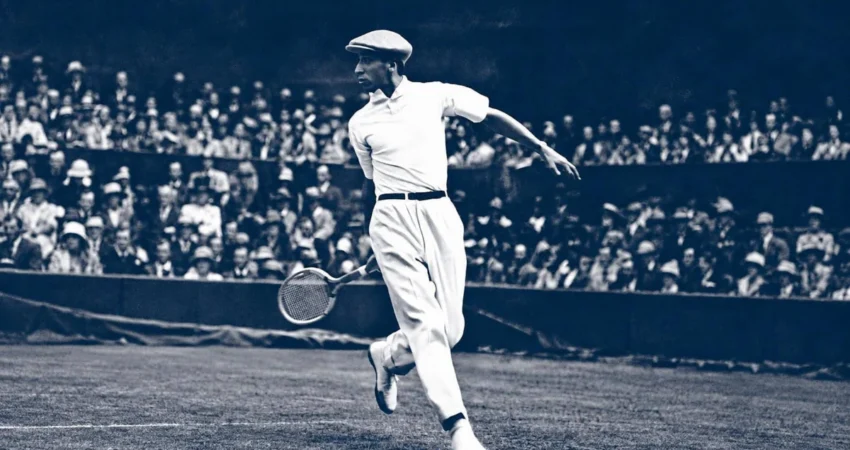
Despite the name, the modern silhouette of the polo shirt owes its greatest debt to the world of tennis. In the early 1900s, tennis players were expected to wear "tennis whites," which consisted of long-sleeved, button-up flannel shirts, trousers, and even ties. This attire was stifling and restricted movement, particularly as the game became faster and more competitive.
René Lacoste, a seven-time Grand Slam champion known as "The Crocodile" for his tenacity on the court, decided to challenge these sartorial constraints. For the 1926 U.S. Open, Lacoste designed a shirt that broke all traditional rules. His creation featured short sleeves, a flat rib-knit collar, and a longer back hem—known as a "tennis tail"—to keep the shirt tucked into the trousers during vigorous movement.
The most significant innovation, however, was the fabric. Lacoste utilized piqué cotton, a breathable, durable knit that allowed air to circulate and wicked sweat away from the body. This was a radical departure from the heavy flannels of the era. In 1927, Lacoste added a small embroidered crocodile to the left breast of his shirts, a reference to his nickname. This marked the first time a designer logo was prominently displayed on the exterior of a garment, a move that would eventually change the face of global branding.
When Lacoste retired from tennis in 1933, he partnered with André Gillier, the owner of France’s largest knitwear manufacturing firm, to form La Société Chemise Lacoste. They began mass-producing the "L.12.12" shirt (L for Lacoste, 1 for the fabric, 2 for short sleeves, and 12 for the prototype number). The shirt was an instant success, moving quickly from the tennis court to the golf course and eventually into everyday leisure wear.

The Post-War Era: Fred Perry and Subcultural Adoption
Following World War II, the polo shirt began to shed its purely athletic associations and entered the realm of youth culture. In the 1950s, British tennis star Fred Perry launched his own version of the polo shirt. While similar to the Lacoste design, the Fred Perry shirt featured a more fitted silhouette and was adorned with a laurel wreath, inspired by the original Wimbledon symbol.
The Fred Perry polo became an essential uniform for the "Mod" subculture in the UK. Young people attracted to the garment’s clean lines and "tough-but-elegant" look began wearing it buttoned to the top, often under Italian-style suits. This period was crucial because it moved the polo shirt from the country club to the urban street, proving that the garment had a versatility that appealed to different social classes and style tribes.
The Ralph Lauren Effect and the Preppy Aesthetic
If René Lacoste invented the modern polo and Fred Perry gave it subcultural edge, Ralph Lauren was the man who turned it into a lifestyle empire. In 1972, Lauren launched his "Polo" line, which featured a short-sleeved piqué shirt in 24 different colors, embroidered with a small polo player on a horse.
Lauren’s timing was impeccable. His brand tapped into a burgeoning desire for "classic Americana" and the "Preppy" aesthetic that dominated the 1970s and 80s. By naming his brand after the sport, Lauren reclaimed the "polo" moniker from the tennis world, solidifying the link between the garment and a high-status, aspirational lifestyle. The Ralph Lauren polo shirt became a staple of the American middle class, worn by everyone from suburban teenagers to corporate executives on their weekends.

Technical Data and Market Evolution
The enduring success of the polo shirt is supported by its significant economic footprint. According to market research, the global polo shirt market is valued at billions of dollars, with a steady growth rate driven by the "athleisure" trend and the relaxation of corporate dress codes.
From a technical perspective, the garment has seen various iterations:
- Piqué Knit: The traditional "waffle" texture that provides breathability and hides perspiration.
- Interlock Knit: A smoother, dressier fabric often used in high-end luxury polos.
- Performance Synthetics: Utilized by modern sports brands like Nike and Adidas, these shirts use polyester-spandex blends for maximum moisture-wicking in professional athletics.
- Mercerized Cotton: A treatment process that gives the cotton a silk-like luster and increased durability, favored by luxury houses like Prada and Giorgio Armani.
The Rise of "Business Casual" and the Uniform Era
In the 1990s, the polo shirt underwent another transformation as it became the standard-bearer for the "Business Casual" movement. As companies moved away from the suit-and-tie requirement, the polo emerged as the perfect compromise—professional enough for an office setting but comfortable enough for a full day of work.
This period also saw the polo shirt adopted as a ubiquitous corporate uniform. From technology giants in Silicon Valley to service industry workers, the polo shirt provided a standardized, neat appearance that was easy to maintain. While this mass-adoption briefly threatened the garment’s "cool" factor, its status as a classic ensured it remained a staple in high-fashion collections.

Contemporary Impact and Sustainability
Today, the polo shirt remains as relevant as ever, though the focus has shifted toward sustainability and ethical manufacturing. Major brands are now producing polos from organic cotton, recycled polyester, and even wood-pulp fibers like Tencel.
The garment’s cultural impact is also seen in its continued presence on the runway. Designers frequently deconstruct and reimagine the polo, playing with oversized proportions, avant-garde materials, and bold patterns. Despite these artistic flourishes, the core elements—the collar, the placket, and the knitted fabric—remain untouched.
Conclusion: A Legacy of Versatility
The polo shirt’s journey from the 19th-century polo fields of India to the global stage is a testament to the power of functional design. It is a rare example of a garment that has successfully navigated the worlds of elite sport, rebellious subculture, and corporate professionalism without losing its identity.
As fashion trends continue to cycle, the polo shirt stands as a permanent fixture, immune to the whims of "fast fashion." Its etymology may link it to the Tibetan word for ball (pholo), but its legacy is firmly rooted in its ability to adapt to the needs of the modern human. Whether worn on a tennis court, in a boardroom, or at a casual weekend gathering, the polo shirt remains the ultimate symbol of effortless, enduring style.

0 Comments