
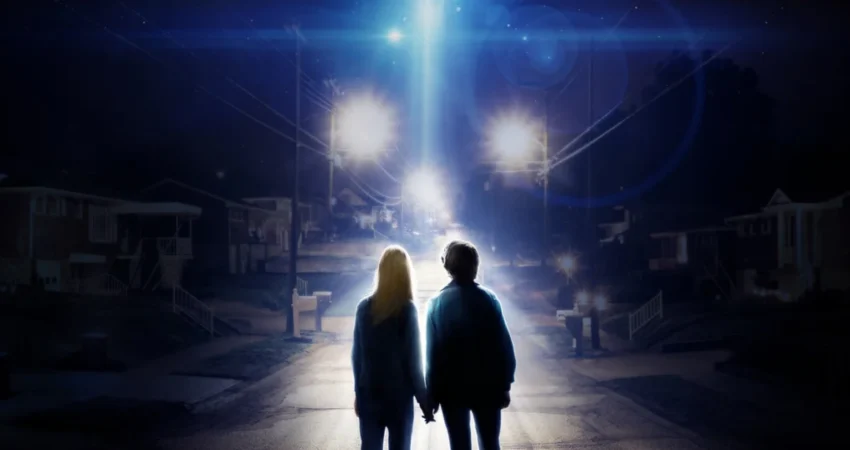
The 2011 release of Super 8 marked a significant milestone in contemporary cinema, representing a high-profile convergence of two generations of science fiction mastery. Directed and written by J.J. Abrams and produced by Steven Spielberg through Amblin Entertainment, the film was designed as both a technical showcase of modern filmmaking and a thematic homage to the "Amblin style" of the late 1970s and early 1980s. Set in the summer of 1979, the production meticulously recreated the aesthetic and emotional landscape of a bygone era, effectively serving as the spiritual precursor to the wave of 1980s-inspired media that would later dominate the streaming landscape, most notably the Netflix global phenomenon Stranger Things.
The Genesis of a Collaborative Vision
The development of Super 8 originated from two distinct ideas held by J.J. Abrams. The first was a desire to create a semi-autobiographical film about his own experiences as a young filmmaker using Super 8mm cameras in the 1970s. The second was a high-concept science fiction premise involving a massive train derailment and a mysterious cargo. According to production archives, Abrams found it difficult to secure interest for a standalone "coming-of-age" film about young filmmakers, prompting him to merge the narrative with the alien encounter plot.
When Abrams presented the combined concept to Steven Spielberg, the veteran director recognized the potential to evoke the same sense of wonder and suburban mystery found in his own classics, such as E.T. the Extra-Terrestrial (1982) and Close Encounters of the Third Kind (1977). The partnership was formalized under the Amblin Entertainment banner, ensuring that the film would carry the DNA of classic American sci-fi while benefiting from Abrams’ contemporary expertise in action and suspense.

A Chronology of Production and Strategic Marketing
The timeline of Super 8 was characterized by a high degree of secrecy, a hallmark of J.J. Abrams’ "Mystery Box" philosophy.
- May 2010: A surprise teaser trailer was attached to the theatrical release of Iron Man 2. The footage, which depicted a train crash and a glimpse of something breaking out of a cargo container, did not feature any of the lead actors and provided no plot details, sparking intense online speculation.
- September 2010: Principal photography began in Weirton, West Virginia. The location was chosen for its industrial, blue-collar aesthetic, which perfectly mirrored the fictional town of Lillian, Ohio.
- Early 2011: An extensive viral marketing campaign (Alternate Reality Game or ARG) was launched, involving hidden websites and cryptic radio signals that fleshed out the backstory of the "Argus" project and the extraterrestrial entity.
- June 10, 2011: Super 8 premiered in North American theaters, distributed by Paramount Pictures.
Narrative Structure and Thematic Depth
While the marketing focused heavily on the spectacle of the train crash and the "creature feature" elements, the core of Super 8 is a character-driven drama centered on Joe Lamb (played by Joel Courtney). The narrative begins four months after the accidental death of Joe’s mother, establishing a foundation of grief and emotional distance between Joe and his father, Deputy Jackson Lamb (Kyle Chandler).
The plot follows Joe and his group of friends—Charles, Cary, Martin, and Alice—as they attempt to finish an amateur zombie film for a local competition. During a midnight shoot at a remote train station, they witness a catastrophic derailment caused by a truck intentionally driving onto the tracks. In the aftermath, the U.S. Air Force, led by the ruthless Colonel Nelec, descends upon the town.
The film’s thematic sophistication lies in its parallel between the protagonist’s grief and the alien’s plight. The creature, a massive multi-limbed entity, is revealed not as a conqueror, but as a stranded traveler that has been tortured and experimented upon by the military since its arrival on Earth in 1958. The resolution of the conflict hinges not on military might, but on Joe’s ability to empathize with the creature’s pain, ultimately allowing both the boy and the alien to "let go" of their respective traumas.

Technical Execution and Aesthetic Authenticity
To achieve the specific visual language of the late 70s, cinematographer Larry Fong utilized anamorphic lenses and 35mm film stock. Abrams famously employed excessive lens flares—a stylistic choice that became a point of discussion among critics—to simulate the "flaws" of older optics and to heighten the sense of anamorphic anamnesis.
The sound design, handled by Ben Burtt (famed for his work on Star Wars), was instrumental in giving the alien a unique presence. The creature was designed by Neville Page, who aimed to create something that looked "frightening but capable of expressing deep sadness." Furthermore, the score by Michael Giacchino intentionally echoed the orchestral styles of John Williams, blending adventurous motifs with melancholic themes to underscore the emotional weight of the story.
Commercial Performance and Critical Reception
Super 8 was a significant commercial success. Produced on a relatively modest budget of $50 million—a figure kept low by the absence of "A-list" movie stars in the lead roles—the film grossed over $260 million at the global box office.
Critically, the film maintains an 81% approval rating on Rotten Tomatoes. Reviewers praised the performances of the young cast, particularly Elle Fanning, whose portrayal of Alice Dainard was cited as a breakout performance. Critics noted that while the film relied heavily on nostalgia, it succeeded because it prioritized the "human element" over digital effects. In his review, Roger Ebert awarded the film 3.5 out of 4 stars, stating that it "reinvigorates the sense of wonder" that had been missing from many contemporary blockbusters.
The Blueprint for the Stranger Things Era
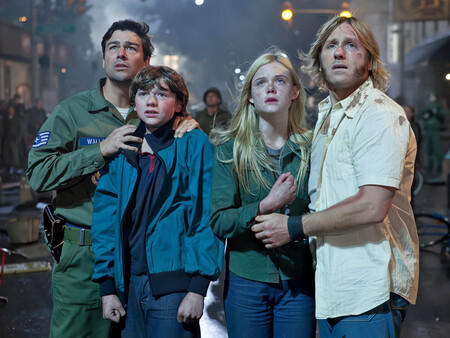
The cultural legacy of Super 8 is most visible in the subsequent rise of the "nostalgia-core" genre. When the Duffer Brothers pitched Stranger Things to various networks, they cited the works of Spielberg and the "kids on bikes" trope that Super 8 had successfully revived five years prior.
The parallels between the two productions are extensive:
- The Core Group: Both feature a tight-knit group of pre-teen boys with distinct archetypal roles (the leader, the skeptic, the comic relief).
- The Female Catalyst: Just as Alice Dainard provides the emotional bridge for the boys in Super 8, Eleven serves as the supernatural and emotional center of the Stranger Things group.
- Government Conspiracy: Both stories involve a secretive military/scientific organization operating on the fringes of a small town to contain a supernatural threat.
- Period Fidelity: The meticulous attention to 1970s/80s production design, from the Walkmans and BMX bikes to the specific texture of the film grain, became the industry standard after Super 8.
Broader Impact and Current Availability
In the decade following its release, Super 8 has transitioned from a box-office hit to a cult favorite, often discussed in film schools as a masterclass in blending genre elements. Its influence persists in films like It (2017) and shows like Dark, which utilize period-accurate settings to ground fantastical narratives.
Industry analysts suggest that Super 8 proved there was a massive, untapped market for "elevated nostalgia"—content that appeals to adults’ memories of their childhood while providing high-stakes entertainment for younger audiences. This realization fundamentally changed how streaming services like Netflix and Disney+ approach greenlighting original content.

Currently, Super 8 is available to stream on Netflix in various territories, including Mexico and parts of Latin America. Its inclusion in the streaming giant’s library has led to a resurgence in viewership, as fans of Stranger Things seek out the cinematic origins of the tropes they have come to love. For modern viewers, the film serves as a bridge between the classic era of 20th-century cinema and the high-concept serialized storytelling of the 21st century.
As a piece of cinematic history, Super 8 remains a poignant reminder that the most effective science fiction is often that which looks inward. By using an alien invasion as a metaphor for the process of mourning, Abrams and Spielberg created a narrative that transcends its 1979 setting, offering a timeless reflection on the necessity of facing one’s fears to find a path toward healing.

0 Comments