
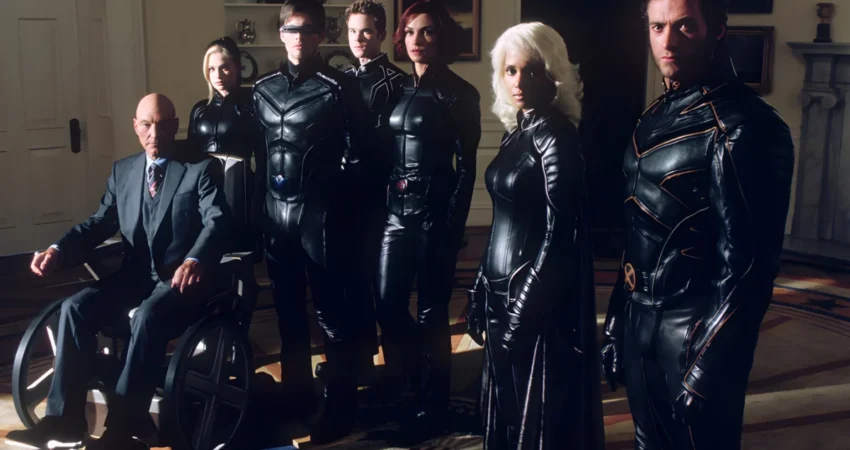
Marvel Studios has officially released a curated list of 15 cinematic entries that are considered essential viewing for audiences preparing for the theatrical debut of Avengers: Doomsday. This announcement marks a significant strategic shift in the Marvel Cinematic Universe (MCU) marketing and narrative strategy, as the studio begins to formally integrate legacy characters and storylines from the 20th Century Fox era into the core continuity of the Multiverse Saga. Following the foundational inclusion of the original X-Men (2000), the studio has designated X2: X-Men United (2003) as the second indispensable chapter in this 15-film roadmap. This designation highlights the 2003 sequel not merely as a nostalgic relic, but as a structural blueprint for the high-stakes political and social conflicts that are expected to define the confrontation with Victor Von Doom.
The inclusion of these legacy films comes at a time of transition for Marvel Studios. With the upcoming Avengers: Doomsday scheduled for release in mid-2026, the studio is navigating the complexities of the Multiverse, a narrative device that allows for the convergence of disparate film franchises. By mandating a re-watch of X2, Marvel is signaling that the themes of mutant-human relations, clandestine government operations, and the ethical boundaries of power will play a pivotal role in the upcoming crossover event. Industry analysts suggest that this "homework" list is designed to bridge the generational gap between fans of the early 2000s superhero boom and the modern MCU audience, ensuring that the emotional stakes of the Multiverse are grounded in established cinematic history.

The Cinematic Legacy and Narrative Depth of X2: X-Men United
Released in May 2003, X2: X-Men United arrived at a precarious moment for the superhero genre. While the first X-Men film proved that comic book properties could be profitable, it was the sequel that demonstrated they could be sophisticated, politically charged, and emotionally resonant. Directed by Bryan Singer and based loosely on the celebrated graphic novel "God Loves, Man Kills" by Chris Claremont and Brent Anderson, the film expanded the scope of the mutant conflict from a localized struggle between two ideologies—Charles Xavier’s pacifism versus Magneto’s militancy—into a global crisis involving the United States government and military-industrial complex.
The film’s narrative engine is fueled by the introduction of Colonel William Stryker, portrayed by Brian Cox. Unlike the primary antagonist of the first film, Magneto, Stryker is a human driven by a potent mix of religious-coded fervor, personal trauma, and institutional power. His plan to use a dark version of the Cerebro device to commit a global mutant genocide remains one of the most chilling stakes in superhero cinema. For the MCU, the return to this storyline suggests that Avengers: Doomsday may revisit the concept of state-sponsored anti-superhero sentiment, a theme previously explored in Captain America: Civil War but likely to be amplified on a multiversal scale.
Chronology of the Modern Superhero Era and the Path to Doomsday
To understand the weight of Marvel’s 15-film list, one must look at the chronology of the genre’s evolution. The "modern era" is generally considered to have begun in 2000 with the release of X-Men, which moved away from the campy aesthetic of the 1990s toward a more grounded, leather-clad realism. X2 followed three years later, refining the formula by balancing ensemble character work with groundbreaking action sequences.

- X-Men (2000): Introduced the concept of mutants as a marginalized minority, establishing the core rivalry between Xavier and Magneto.
- X2: X-Men United (2003): Elevated the stakes to a survival-level threat and introduced the tragic backstory of Logan (Wolverine).
- The MCU Integration (2024-2026): With the events of Deadpool & Wolverine (2024), the Fox universe was officially linked to the MCU’s Time Variance Authority (TVA).
The remaining 13 films on Marvel’s list are expected to follow this trajectory, likely including key MCU milestones such as Avengers: Infinity War and Avengers: Endgame, alongside other legacy titles like the original Spider-Man trilogy or the 2005 Fantastic Four, especially given that Robert Downey Jr. will be portraying Doctor Doom—a character traditionally associated with the Fantastic Four.
Technical Milestones and Socio-Political Themes
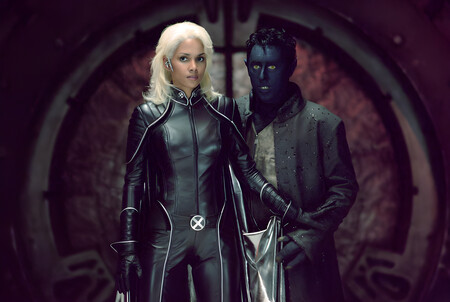
X2 is frequently cited by critics and filmmakers as one of the most influential sequels in the genre, often compared to The Dark Knight or Spider-Man 2. From a technical standpoint, the film’s opening sequence—featuring a brainwashed Nightcrawler (Alan Cumming) infiltrating the White House—set a new standard for the use of visual effects to showcase superhuman abilities in a terrifyingly efficient manner. This sequence, filmed with a blend of practical wirework and early digital compositing, remains a masterclass in establishing tension and power scaling.
Beyond the action, the film’s socio-political subtext remains its most enduring quality. The "coming out" scene, where Bobby Drake (Iceman) reveals his mutant status to his parents, served as a direct allegory for the LGBTQ+ experience, a theme that resonated deeply with audiences and added a layer of social commentary rarely seen in blockbusters of that time. By including X2 in the "Doomsday" preparation, Marvel Studios is likely leaning into the "outsider" status of the X-Men as they prepare to enter a world already populated by established heroes like the Avengers.
Supporting Data: Box Office and Critical Performance
The financial and critical success of X2 provided the necessary momentum for the superhero genre to dominate the 21st-century box office. Upon its release, the film earned $85.5 million in its opening weekend in the United States, a record-breaking figure at the time. It went on to gross over $407 million worldwide against a budget of approximately $110 million.
On the critical front, the film maintains an 85% approval rating on Rotten Tomatoes, with a "Certified Fresh" status. Critics at the time praised the film for its "intelligent script" and "solid acting," particularly noting the performances of Hugh Jackman, Patrick Stewart, and Ian McKellen. This high level of critical pedigree is essential for Marvel Studios as it seeks to validate the "Multiverse" approach; by tying Avengers: Doomsday to films with high critical standing, they elevate the perceived quality of the upcoming crossover.
Official Strategic Context and Implications for Avengers: Doomsday
While Marvel Studios executives, including Kevin Feige, have remained tight-lipped about the specific plot details of Avengers: Doomsday, the marketing strategy speaks volumes. The decision to label these films as "required viewing" suggests that Doomsday will not be a standalone story, but a culmination of over 25 years of cinematic history. This is a bold move that assumes a high level of "franchise literacy" from the audience.

The re-introduction of Robert Downey Jr. to the franchise—this time as the villainous Victor Von Doom—adds another layer of complexity. If X2 is a foundational text for this new era, it implies that the conflict in Doomsday may involve the systematic dismantling of hero organizations, much like Stryker dismantled the X-Men’s sanctuary. Doom, a character who combines the technological genius of Iron Man with the radical conviction of Magneto, represents the ultimate synthesis of the themes explored in the Fox and Disney eras.
Broader Impact on the Streaming Landscape and Fan Engagement
The announcement has already had a measurable impact on digital consumption patterns. Since the list began to circulate, viewership for the legacy X-Men films on Disney+ has seen a significant uptick. In Mexico and Latin America, where the "Avengers" brand holds immense cultural capital, the 17-week countdown to the premiere has sparked a renewed interest in physical media and digital "watch parties."
For Disney, this strategy maximizes the value of their 2019 acquisition of 21st Century Fox. By transforming "old" content into "essential" content for the next big event, the company ensures a continuous loop of subscription retention. Fans are no longer just watching a movie; they are participating in a multi-month narrative journey that rewards deep knowledge of the lore.
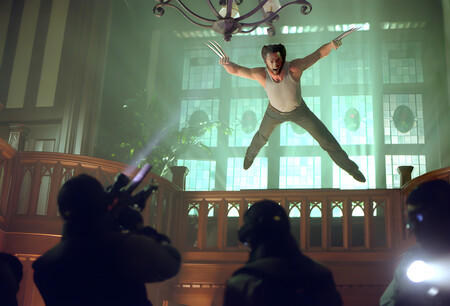
As the countdown to Avengers: Doomsday continues, the focus on X2: X-Men United serves as a reminder that the future of the MCU is inextricably linked to its past. The themes of persecution, the burden of leadership, and the necessity of unlikely alliances are as relevant today as they were in 2003. By revisiting the halls of Xavier’s Mansion and the cold, clinical corridors of Stryker’s base, audiences are being prepared for a conflict that promises to reshape the cinematic landscape once again. The road to Doomsday is long, but it is paved with the milestones of a genre that has spent two decades learning how to turn comic book panels into modern mythology.

0 Comments