
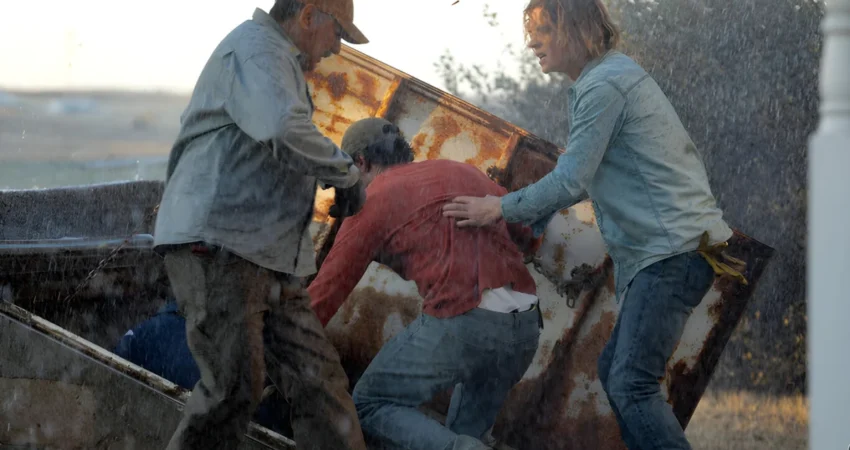
The landscape of modern digital consumption has fundamentally altered the lifecycle of cinematic productions, turning global streaming platforms like Netflix into fertile ground for films that failed to gain traction during their initial theatrical runs. The most recent and striking example of this trend is the 2021 disaster drama 13 Minutes, released in Spanish-speaking markets as En la tormenta. Despite a nearly invisible presence at the box office three years ago, the film has surged into the Netflix Top 10, capturing the attention of a global audience that bypassed it during the height of the global pandemic. This resurgence highlights a growing shift in how audiences discover content, moving away from traditional marketing blitzes toward algorithm-driven recommendations and the enduring popularity of the natural disaster genre.
Narrative Architecture and Social Commentary
Directed by Lindsay Gossling, 13 Minutes attempts to subvert the traditional tropes of the disaster genre by blending high-stakes survivalism with dense sociological exploration. While genre staples like the 1996 classic Twister or the 2024 blockbuster Twisters focus heavily on the spectacle of storm chasing and meteorological science, Gossling’s film utilizes the impending threat of a tornado as a catalyst to examine the fractured social fabric of a small American town.
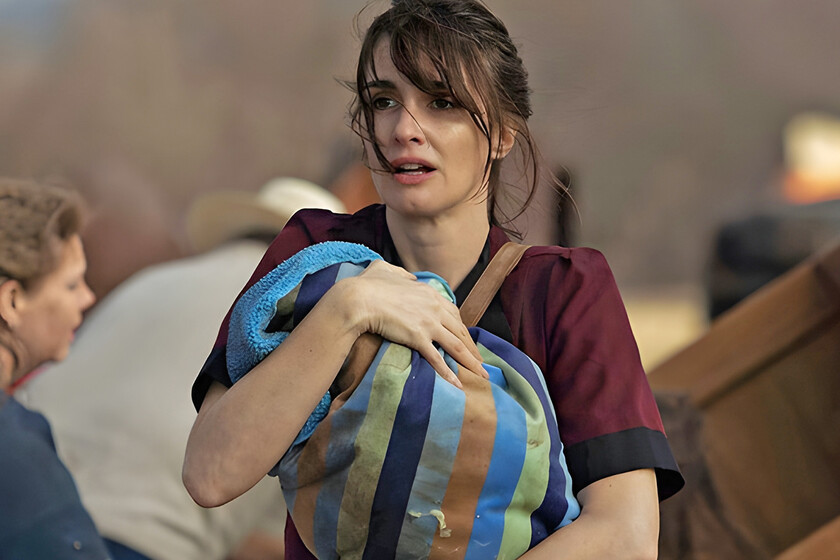
The narrative follows four disparate families whose lives are inextricably linked by their geographic location in the heart of "Tornado Alley." The film’s primary point of differentiation is its willingness to tackle polarizing themes, including undocumented immigration, religious intolerance, and the marginalization of the LGBTQ+ community. By centering the story on a diverse cast—including a Latino family facing deportation and a family grappling with an unplanned pregnancy—the film shifts the focus from the storm’s physical destruction to the human resilience required to survive it. The central tension is derived from the fact that these characters must set aside deeply ingrained cultural and ideological prejudices to find common shelter, emphasizing that in the face of nature’s fury, social hierarchies are rendered obsolete.
The Chronology of a Theatrical Failure
To understand the film’s current success on Netflix, one must analyze the catastrophic timing of its initial release. 13 Minutes arrived in theaters in late 2021, a period when the global film industry was still reeling from the impacts of the COVID-19 pandemic. Specifically, the emergence of the Delta variant and fluctuating theater capacities in major markets created a hostile environment for mid-budget independent films.
According to data from Box Office Mojo, the film’s theatrical performance was statistically negligible. It recorded a total gross of approximately $67,413. The majority of these ticket sales did not originate in the United States but were instead concentrated in international markets such as the United Arab Emirates and Portugal. Domestically, the film lacked the promotional budget to compete with major studio tentpoles that were beginning to return to the big screen. Furthermore, critical reception at the time was lukewarm at best. On the review aggregator Rotten Tomatoes, the film holds a 24% approval rating from critics, who largely felt that the ambitious social drama overshadowed the "disaster" elements audiences expected. The audience score, while higher at 57%, suggested a disconnect between the film’s marketing as an action thriller and its reality as a slow-burn character study.

The Science of the Thirteen-Minute Warning
The film’s title is not merely a creative choice but is rooted in the operational realities of the National Weather Service (NWS) and the National Oceanic and Atmospheric Administration (NOAA). The "13 minutes" refers to the average lead time provided to the public once a tornado warning has been officially issued. This window represents the thin margin between life and death, during which individuals must process the alarm, locate shelter, and secure their families.
Meteorological data suggests that while advances in Doppler radar and satellite imaging have increased warning times over the last few decades—up from an average of five minutes in the 1980s—the 13-minute mark remains the gold standard for modern emergency management. By framing the entire climax of the film within this specific timeframe, the production creates a real-time sense of urgency. It highlights the logistical nightmares faced by marginalized populations—such as those without access to storm cellars or those whose language barriers prevent them from understanding emergency broadcasts—thereby reinforcing the film’s social messaging through a lens of scientific reality.
Production Context and Notable Cast
Despite its modest budget, 13 Minutes featured a seasoned ensemble cast that lent gravity to its heavy themes. The film stars Thora Birch (American Beauty), Amy Smart (The Butterfly Effect), and Paz Vega (Spanglish), the latter providing the crucial perspective of the immigrant experience in the American Midwest.

The film also serves as a poignant entry in the filmography of the late Anne Heche, who plays a central role as a town resident. Following her passing in 2022, there has been a retrospective interest in her final projects, which may have contributed to the film’s visibility on streaming platforms. The production was filmed on location in Oklahoma, a choice that allowed the filmmakers to capture the authentic, oppressive atmosphere of the plains during storm season. This authenticity in setting helped ground the film’s visual effects, which, while not as expansive as those in a $200 million studio production, were praised by some niche critics for their grit and realism.
The Streaming Resurrection: Why Now?
The sudden ascent of 13 Minutes into the Netflix Top 10 is the result of a "perfect storm" of digital trends. First, the natural disaster genre is currently experiencing a massive revival in the zeitgeist. The 2024 release of Twisters, a legacy sequel to the 1996 original, renewed public interest in meteorological thrillers. As audiences finished watching the latest blockbuster in theaters, streaming algorithms began suggesting similar titles to fill the void, leading them directly to 13 Minutes.
Second, the "Netflix Effect" continues to prove that theatrical performance is no longer the final word on a film’s legacy. Platforms like Netflix provide a "low-risk" environment for viewers; a film that a consumer might not pay $15 to see in a cinema becomes an attractive option when included in a monthly subscription. This has allowed 13 Minutes to find its true audience—one that is perhaps more interested in the intersection of drama and disaster than the purely action-oriented crowds of 2021.

Broader Implications for the Film Industry
The success of 13 Minutes on streaming platforms offers several insights into the future of film distribution and consumption. It underscores the reality that "theatrical bombs" are often merely victims of poor timing or inadequate marketing rather than a lack of quality or interest.
- The Long Tail of Content: The digital era has extended the "shelf life" of movies indefinitely. A film can remain dormant for years before a cultural event or an algorithmic shift brings it to the forefront of global conversation.
- Genre Stability: Natural disaster films remain one of the most stable investments in cinema. Regardless of critical reviews, the primal fear and awe inspired by uncontrollable natural forces guarantee a baseline level of viewership.
- The Hybrid Model: For independent filmmakers, the goal is no longer just a successful opening weekend. The "second life" on streaming is now a core part of the financial and critical strategy, providing a safety net for experimental or socially conscious genre films.
As 13 Minutes continues to hold its position alongside other Netflix hits like the Mexican production La captura or Un hijo propio, it serves as a reminder of the unpredictability of the digital age. For the cast and crew who saw their work disappear during the pandemic, this late-stage success is a validation of the film’s core message: that even after the most devastating storm, there is a possibility for recovery and a new beginning. The film is currently available for streaming on Netflix, offering a 108-minute exploration of human fragility and the relentless pace of nature.

0 Comments