
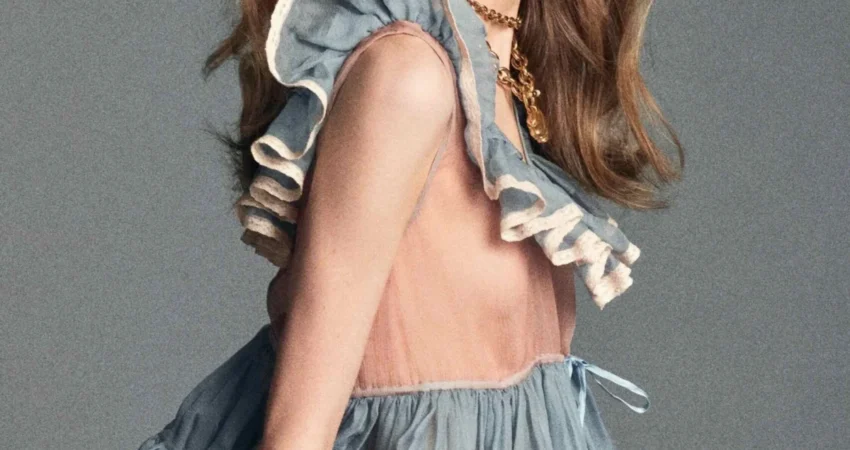
The global fashion landscape for 2026 marks a definitive shift in how hair is perceived within the broader context of personal style, moving beyond mere grooming to become a primary architectural accessory. As noted by industry veteran and expert hairstylist Francisco Iglesias, hair remains the only accessory an individual carries every day, making it the central pillar of the 2026 aesthetic. This year, the intersection of high fashion and beauty has reached a new equilibrium, where the runway serves as a laboratory for trends that balance high-octane nostalgia with a modern, texture-focused realism. From the bohemian volume of the 1970s to the rigid, gel-sculpted finishes of the 1980s and the "emo" fringes of the early 2000s, the 2026 hair cycle is defined by a rejection of the "one size fits all" approach in favor of diverse, expressive, and often rebellious silhouettes.

The Cultural and Economic Context of 2026 Beauty Trends
The evolution of hair trends for the 2026 seasons is not occurring in a vacuum. It follows a period of "Quiet Luxury" and "Clean Girl" aesthetics that dominated the early 2020s. Market data from the global beauty sector indicates that by 2026, the professional haircare market is projected to reach unprecedented heights, driven by a consumer desire for high-performance styling products that allow for at-home replication of complex runway looks. This shift represents a move toward "expressive authenticity," where the hair is used to signal cultural alignment—whether that be with the sustainable, natural-texture movement or the high-gloss, ultra-curated world of digital-first fashion.

The timeline for these trends was established during the major fashion weeks in New York, London, Milan, and Paris. Analysts observed that designers are no longer treating hair as a secondary thought; instead, lead stylists are brought into the creative process months in advance to ensure that the "beauty look" complements the textile textures and silhouettes of the garments.

Fall-Winter 2026: The Return of Volume and Nostalgic Rebellion
As the colder months of 2026 approach, the industry is seeing a departure from the low-maintenance, flat-ironed styles of previous years. The Fall-Winter 2026 collections have introduced a "maximalist" approach to hair, characterized by three distinct pillars: bohemian volume, retro accessories, and wind-swept realism.

The Bohemian Revival and the "Fluffy" Aesthetic
Leading the charge in the Fall-Winter cycle is a resurgence of 1970s-inspired volume. Brands like Chloé and Acne Studios have championed the "fluffy" look, where hair is worn long, voluminous, and intentionally frizzy. This is a strategic pivot from the sleek, high-shine finishes of the past decade. The technical execution involves back-combing techniques and the use of "wafleras" (crimpers) to create a subtle, internal structure that supports massive, airy silhouettes. Stylists are encouraging individuals to embrace their natural frizz, treating it as a design element rather than a flaw to be corrected.

The Return of the Zigzag Headband
In a nod to late-90s and early-2000s nostalgia, the zigzag headband has made a surprising comeback on the runways of Miu Miu and Valentino. Once relegated to casual or domestic use, this accessory is being repositioned as a "retro-cool" element for both formal and street-style ensembles. The 2026 iteration of this trend involves creating a slight "crepé" or lift at the roots before sliding the headband back, ensuring the hair retains volume behind the accessory rather than lying flat. This trend is heavily supported by cultural influencers like Hailey Bieber, whose adoption of the style has catalyzed its mainstream resurgence.

Wind-Swept Realism and the "Messy" Mane
A more avant-garde trend emerging for late 2026 is the "disheveled" look, seen in the collections of Hodakova, Erdem, and Etro. This style mimics the effect of a cold, windy autumn afternoon, where the hair is intentionally tangled and swept across the face. While it appears accidental, the look requires significant preparation with dry shampoos and matte-finish texturizers to achieve a "just-out-of-bed" aesthetic that remains stable throughout the day. This trend reflects a broader societal shift toward embracing imperfection and the "un-done" look as a form of high-fashion rebellion.

Spring-Summer 2026: Naturalism and Geometric Precision
As the fashion cycle moves into the Spring-Summer 2026 season, the focus shifts toward health-centric naturalism and sharp, geometric styling. According to Octavio León, a renowned hairstylist who has worked with global icons like Rosalía, the first half of 2026 will be dominated by hair that looks hydrated, manageable, and effortlessly healthy.

The 2000s Side Part and the Emo Fringe
The side part is officially replacing the center part as the dominant structural choice for 2026. However, this is not the soft side part of the 2010s; it is a sharp, deep division that often transitions into a "modern emo fringe." Designers like Balmain and Tory Burch have utilized this look to create a sense of mystery and edge. By pulling a large section of hair across the forehead and securing it with high-hold lacquers, stylists are able to create a dramatic, asymmetrical silhouette that requires no actual cutting.

The Looped Ponytail and the Low Bun
For those seeking a more polished look, the "low looped ponytail" (or bubble ponytail) has emerged as the preferred updo. Seen prominently at Givenchy and Fendi, this style involves folding the hair back on itself and securing it with multiple bands to create an organic, bubble-like effect. It is a sophisticated evolution of the traditional bun, offering a more modern and architectural feel.

The 90s Wet Look: A New Formulation
The "wet look" remains a staple for Summer 2026, but the formulation has changed. Unlike the voluminous wet looks of 2025, the 2026 version is flatter and more rigid. Brands like Toteme and Giambattista Valli showed models with hair "bathed in gel," where the strands are pressed tightly against the scalp. This creates a high-gloss, almost lacquered finish that emphasizes the bone structure of the face. This trend is particularly popular for evening wear and has been a frequent choice for celebrities on red carpets, including Dua Lipa and Jenna Ortega.

Technical Analysis: The "Skinification" of Haircare
The trends of 2026 are underpinned by a significant technological shift in the haircare industry known as "skinification." This refers to the application of high-end skincare ingredients—such as hyaluronic acid, niacinamide, and peptides—to hair products. The "natural texture" trend seen at Ralph Lauren and Christian Dior is only possible because of these advancements, which allow hair to maintain its natural shape while appearing exceptionally shiny and frizz-free.

Data from beauty industry reports suggest that 2026 will see a 15% increase in the sales of "bond-building" and "scalp-health" products. This indicates that consumers are prioritizing the health of their hair as a foundation for these runway-inspired styles. The "Hollywood Waves" seen at Gucci and McQueen, for instance, require a base of extremely healthy, hydrated hair to achieve the necessary fluidity and movement.

Broader Impact and Industry Implications
The 2026 hairstyle trends represent a broader cultural movement toward nostalgia and the reclamation of past aesthetics. By blending the 1970s, 80s, 90s, and 2000s, the fashion industry is creating a "remix culture" where individuals can choose a style that best fits their personal identity.

For the beauty industry, this diversity means a shift away from universal marketing toward niche styling tools. The rise of the "structured updo" (as seen at Ashi Studio and Peet Dullaert) has led to a renewed interest in traditional styling tools like hairpins and specialized fijadores (fixatives), while the "bohemian fluff" trend has revived the market for high-quality crimpers and diffusers.

Conclusion: The New Paradigm of Hair as Art
In summary, the hairstyles of 2026 are defined by a dualistic approach: one side embraces the wild, uninhibited textures of the natural world, while the other seeks absolute control through high-gloss, gel-sculpted precision. The common thread across all trends—whether it is the zigzag headband of the early 2000s or the French twist of the "old money" aesthetic—is the intentionality behind the look.

As the industry moves forward, the collaboration between hairstylists, designers, and chemical engineers will continue to push the boundaries of what is possible. For the consumer, 2026 offers an invitation to experiment, to play with the archives of fashion history, and to treat their hair not just as a part of their body, but as the ultimate, ever-changing accessory of their personal brand. Hair has returned to the center of the fashion conversation, and its role as a transformative tool for self-expression has never been more potent.

0 Comments