
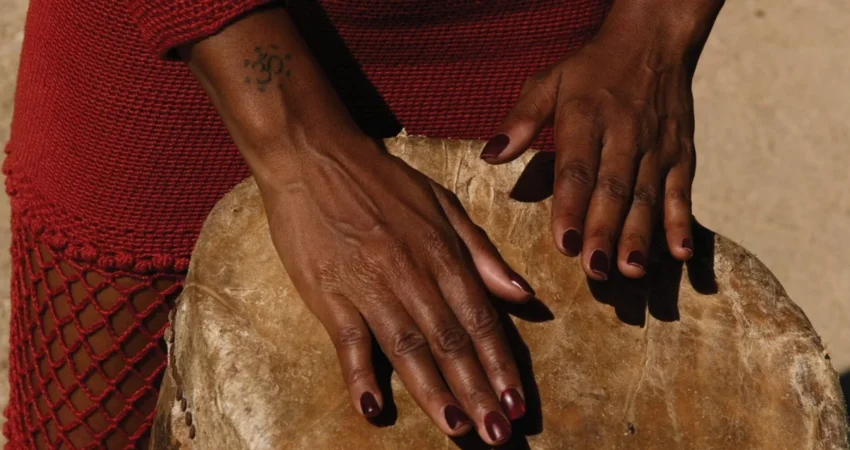
As the calendar turns to September 2026, Mexico enters its most culturally significant month, known domestically as the "Mes Patrio" or Patriotic Month. This period, culminating in the Independence Day celebrations on September 16, has evolved beyond traditional parades and culinary festivities to become a major driver in the national beauty and fashion industries. In 2026, the intersection of national identity and aesthetic expression is most visible in the surge of specialized manicures. Beauty professionals across the country report a significant shift in consumer behavior, moving away from literal interpretations of national symbols toward sophisticated, art-driven designs that blend ancestral heritage with contemporary technical innovations.
The beauty sector in Mexico has seen a steady annual growth rate of approximately 5.4% over the last three years, with the professional nail care segment leading the charge. According to industry data, the month of September accounts for nearly 15% of the annual revenue for urban nail salons, rivaling the December holiday season. This economic surge is driven by a demographic that increasingly views nail art as a primary form of self-expression and cultural pride. The trends for 2026 reflect a "New Mexicanism," characterized by the use of high-tech finishes like chrome and 3D textures applied to motifs that have defined Mexican craftsmanship for centuries.
The Historical Evolution of Patriotic Aesthetics
The tradition of wearing national colors—green, white, and red—during September is not a new phenomenon, but its application in the beauty industry has undergone a radical transformation. In the early 2000s, patriotic manicures were largely limited to simple flag patterns or basic color blocking. However, the rise of "Nail Art" as a recognized discipline in the 2010s, fueled by social media platforms, allowed for more complex storytelling.
By 2026, the trend has moved toward "Quiet Patriotism." This involves the use of negative space, nude bases, and minimalist accents that allow patriotic symbols to appear elegant rather than costume-like. Industry analysts suggest that this shift is a response to a global movement toward "stealth wealth" and sophisticated minimalism, adapted to local cultural contexts. Consumers are no longer asking for a flag on every finger; instead, they are requesting single-accent nails featuring hyper-realistic hand-painted icons or textures that mimic traditional textiles.
Key Trends for the 2026 Patriotic Season
The 2026 season is defined by five distinct aesthetic pillars that cater to a diverse range of preferences, from the avant-garde to the classic.
Talavera and Artisanal Craftsmanship
One of the most prominent trends this year is the "Talavera Manicure." Taking inspiration from the world-renowned pottery of Puebla and Tlaxcala—which holds a UNESCO Intangible Cultural Heritage designation—this style utilizes a crisp white base decorated with intricate cobalt blue patterns. Nail artists are increasingly using ultra-fine brushes and high-pigment gels to replicate the floral and geometric "plumeti" styles characteristic of authentic 16th-century ceramics. This trend is particularly significant as it elevates nail art to the level of traditional craft, bridging the gap between historical preservation and modern fashion.
The Modernized French Tricolor
The classic French manicure has been reimagined for the 2026 "Mes Patrio." Rather than the traditional white tip, salons are offering a "Gradient Tricolor" where the tips transition seamlessly from emerald green to white and then to deep crimson. This design often incorporates a "velvet" or "cat-eye" magnetic finish, adding a sense of depth and luxury that was unattainable with previous generations of polish. This approach appeals to corporate professionals who seek to participate in the festivities while maintaining a polished, office-appropriate appearance.
Folklore and Micro-Realism
For the younger demographic, particularly Gen Z and Alpha, the focus is on micro-realism and "Y2K" nostalgia blended with Mexican folklore. This includes short, oval-shaped nails with a "clean girl" nude base, featuring tiny, hand-painted stickers or charms. Popular motifs include the Lotería cards (such as "La Sirena" or "El Corazón"), the Monarch butterfly—symbolizing the souls of ancestors—and the prickly pear cactus (nopal). The 2026 iteration of this trend often uses 3D "jelly" textures to give these icons a toy-like, modern pop-art feel.

The Frida Kahlo Legacy
Frida Kahlo remains an inexhaustible source of inspiration. In 2026, the "Kahlo Aesthetic" in nail art has moved beyond her portrait. Instead, artists are focusing on her color palettes—vibrant teals, earthy terracottas, and floral pinks—and her surrealist themes. "The Wounded Deer" or the botanical elements from "Self-Portrait with Thorn Necklace and Hummingbird" are being translated into matte-finish designs that resemble oil paintings on a miniature canvas.
Celestial and Chromatic Innovation
Reflecting the global obsession with celestial motifs, "Patriotic Stars" have emerged as a top-tier trend. This involves the use of chrome powders in green and red, applied over star-shaped stencils. This trend highlights the technological advancement of the industry, utilizing long-wear poly-gels and UV-cured topcoats that provide a mirror-like finish, symbolizing a bright, forward-looking Mexico.
Economic Impact and Industry Professionalization
The surge in demand for complex patriotic designs has led to a professionalization of the "Nail Artist" role in Mexico. In major hubs like Mexico City, Guadalajara, and Monterrey, specialized workshops focusing on "Mexican Heritage Techniques" are sold out months in advance. Salon owners report that the average ticket price for a September manicure has increased by 25% compared to previous years, as clients are willing to pay a premium for hand-painted art that can take up to three hours to complete.
"We are seeing a shift where the nail technician is now viewed as a legitimate artist," says a representative from a leading beauty federation in Mexico. "The complexity of a Talavera or a Kahlo-inspired set requires a level of skill that goes far beyond traditional cosmetology. This has encouraged many young artists to enter the field, viewing it as a viable and lucrative career path."
Furthermore, the "Mes Patrio" serves as a launching pad for domestic beauty brands. Several Mexican nail lacquer companies have released "Independence Collections" for 2026, featuring pigments sourced from local minerals and botanical extracts, emphasizing a "Made in Mexico" ethos that resonates with the current consumer climate.
Social and Cultural Implications
The adoption of these trends is more than a superficial fashion choice; it is a manifestation of national identity in a globalized world. Sociologists point out that in times of global uncertainty, people often turn to cultural symbols to ground their identity. By wearing these designs, Mexican women and men are reclaiming their narrative and showcasing their heritage in a way that is both personal and public.
The 2026 trends also reflect a growing inclusivity. While nail art was traditionally marketed toward women, there has been a 12% increase in male-identifying clients seeking "patriotic accents"—often a single nail painted with a minimalist symbol or a matte tricolor band. This indicates a broadening of the beauty market and a dismantling of traditional gender norms surrounding grooming and national celebration.
Future Outlook
As the festivities of September 16 approach, the beauty industry serves as a barometer for the country’s mood: creative, resilient, and deeply proud. The trends of 2026 suggest that the future of Mexican beauty lies in a respectful but bold reinterpretation of the past. As technology continues to provide new tools—such as AI-generated nail patterns and 3D-printed nail charms—the core inspiration remains the same: the rich, colorful, and complex history of Mexico.
The "Mes Patrio" of 2026 will likely be remembered as the year when nail art transitioned from a secondary accessory to a primary medium of cultural storytelling. Whether through the blue tiles of Puebla or the surrealist visions of Kahlo, the hands of Mexico are quite literally carrying the weight of their history into a modern, aesthetic future. For the consumer, these manicures offer a way to carry their pride with them every day, proving that identity is not just something celebrated on a specific date, but something lived and worn.

0 Comments