

The landscape of digital streaming has increasingly become a vehicle for high-quality regional productions to achieve global prominence, and the latest Mexican cinematic offering, La Captura, serves as a definitive testament to this trend. Since its debut on Netflix, the film has maintained a formidable position at the top of the platform’s most-watched list for eight consecutive days, signaling a profound interest in narratives that re-examine Mexico’s complex history with organized crime. Directed and produced with a focus on gritty realism, La Captura does not merely recount the fall of a kingpin; instead, it pivots the perspective toward the law enforcement officers who executed one of the most significant arrests in modern history. By centering the story on the psychological and moral burdens of the police, the film offers a departure from the traditional "narcocultura" tropes that have historically dominated the genre.
The Narrative Shift: From Kingpin to Law Enforcement
For decades, media representations of the Mexican drug war have frequently gravatied toward the sensationalized lives of cartel leaders. However, La Captura deliberately subverts these expectations. While the central figure of the film is undeniably Joaquín "El Chapo" Guzmán—the former leader of the Sinaloa Cartel and once one of the most wanted men in the world—the narrative weight is carried by two police officers, portrayed by Alfonso Herrera and Héctor Kotsifakis.
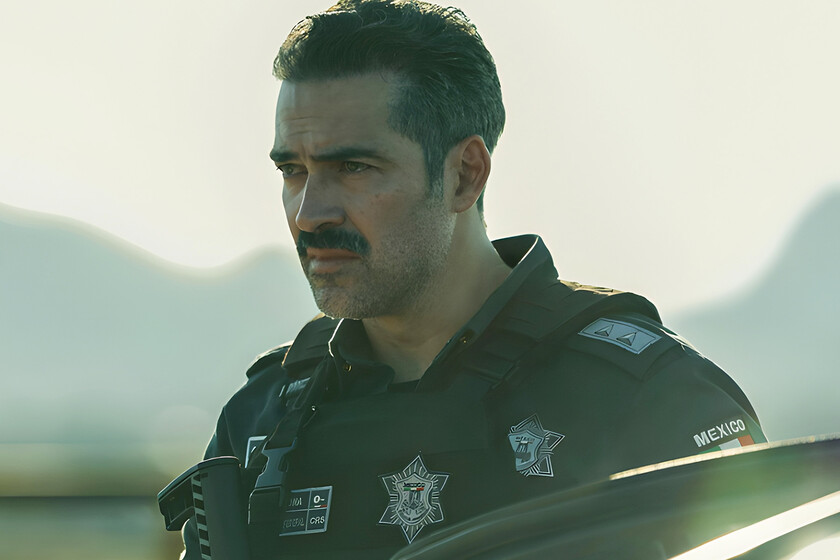
The film explores a specific, high-tension window of time: the immediate aftermath of Guzmán’s third and final capture on January 8, 2016. Rather than focusing on the grand logistics of the military operation known as "Black Swan," the script zooms in on the vulnerability and humanity of the officers who found themselves holding the world’s most dangerous prisoner in a roadside motel. This choice transforms the film from a standard police procedural into a psychological thriller. The protagonists are depicted not as untouchable heroes, but as ordinary men facing extraordinary pressure. They are shown grappling with financial instability and family concerns, factors that make the inevitable offers of bribes and the looming threat of cartel retaliation all the more palpable.
Historical Context: The Rise and Fall of Joaquín Guzmán
To understand the impact of La Captura, one must consider the historical gravity of the events it depicts. Joaquín Guzmán Loera’s criminal career spanned over four decades, beginning in the 1970s. By the 2000s, he had consolidated power to such an extent that he was included in Forbes’ list of the world’s most powerful people. His notoriety was cemented not only by the scale of his drug trafficking empire but by his repeated ability to evade justice.
Guzmán’s first major arrest occurred in Guatemala in 1993, leading to a 20-year sentence. However, in 2001, he famously escaped from the Puente Grande maximum-security prison, reportedly hidden in a laundry cart. He remained at large for 13 years before being recaptured in Mazatlán in February 2014. In a move that embarrassed the Mexican administration, Guzmán escaped again in July 2015, this time through a sophisticated 1.5-kilometer tunnel dug directly into his shower stall at the Altiplano prison.

The events of January 2016, which form the basis of the film, represented the final chapter of this saga. Following a violent shootout in Los Mochis, Sinaloa, Guzmán attempted to flee through the city’s sewer system. When he emerged and hijacked a vehicle, he was intercepted by federal police officers on a highway. Fearing that their superiors or other branches of the military might be compromised by cartel influence, the arresting officers took Guzmán to the "Hotel Doux," a modest motel on the outskirts of the city, to wait for reinforcements. This specific interval—the hours spent in the motel room—provides the primary setting for the film’s most intense sequences.
A Chronology of the 2016 Capture
The timeline of the capture depicted in La Captura is essential for distinguishing between cinematic dramatization and historical fact:
- 04:40 AM (Jan 8, 2016): The Mexican Navy (SEMAR) initiates Operation Black Swan in a residential neighborhood of Los Mochis. A fierce gun battle ensues, resulting in the deaths of five cartel gunmen and the injury of one marine.
- The Escape: During the chaos, Guzmán and his lead security officer, "El Cholo" Iván, escape through a hidden tunnel behind a mirror, leading into the city’s drainage network.
- The Interception: After traveling several blocks underground, the fugitives emerge through a manhole, steal a white Volkswagen Jetta, and then a red Ford Focus. Federal police officers, alerted to the vehicle thefts, spot the car on Highway 15.
- The Detention: Two officers successfully stop the vehicle and take the suspects into custody. It is at this moment that Guzmán reportedly offered the officers "houses, businesses, and positions" in exchange for his release.
- The Motel: Recognizing the danger of remaining on the open road, the officers diverted to the Hotel Doux. This is where the psychological standoff occurred, as the officers had to maintain custody while surrounded by the uncertainty of who they could trust within their own ranks.
- The Transfer: Eventually, Mexican Marines arrived to take custody of the prisoner, who was then flown to Mexico City and later returned to the Altiplano prison—the very site of his previous escape.
Supporting Data and Production Realism
The success of La Captura is bolstered by its commitment to a gritty, unpolished aesthetic. The casting of Alfonso Herrera is particularly noteworthy. Herrera, who has successfully transitioned from Latin American stardom to international projects like Sense8 and Ozark, brings a seasoned intensity to the role of an officer under siege. His chemistry with Héctor Kotsifakis creates a believable portrait of the camaraderie and paranoia that defined the Mexican Federal Police during that era.
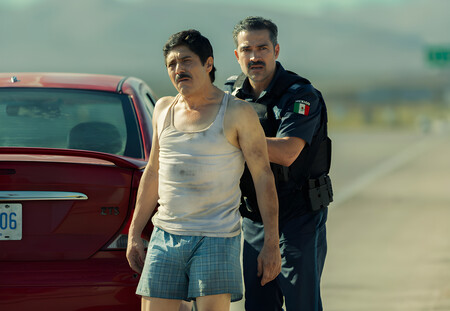
While the film takes creative liberties—such as changing the names of the officers to protect the identities of the real-life participants—it remains grounded in the socio-political realities of 2016. At that time, the Mexican Federal Police was under immense scrutiny, and the act of refusing a multi-million dollar bribe from Guzmán was seen as a rare and significant act of integrity.
Official Responses and the Fate of the Protagonists
The real-life aftermath for the officers involved in the 2016 arrest was far more somber than a cinematic ending might suggest. Following the arrest, the identities of the officers were kept secret to prevent assassinations. Reports from the Mexican government later indicated that the officers were eventually removed from active duty in Mexico and assigned to administrative roles in various Mexican embassies abroad for their own protection.
The Mexican government, then led by President Enrique Peña Nieto, used the capture to bolster its international standing, famously tweeting "Misión cumplida" (Mission accomplished). However, the arrest also sparked internal debates about the deep-seated corruption that had allowed Guzmán to escape twice before. The film captures this atmosphere of systemic distrust, reflecting the "plata o plomo" (silver or lead) dilemma that has defined law enforcement in Mexico for decades.

Broader Impact and Implications
The enduring popularity of La Captura on Netflix highlights a shift in how audiences consume "narco" stories. There is a growing demand for narratives that provide a more nuanced, "bottom-up" view of the conflict. By focusing on the vulnerability of the state’s front-line defenders, the film invites viewers to consider the human cost of the drug war beyond the headlines of seizures and body counts.
Furthermore, the film’s success underscores the strategic importance of Mexico as a hub for high-end content production. Netflix has invested heavily in Mexican studios, recognizing that local stories with high production values have the potential to resonate globally. La Captura is not just a local hit; it is a signal that Mexican cinema is increasingly capable of producing sophisticated thrillers that rival Hollywood productions in terms of tension and character development.
As of today, Joaquín Guzmán remains incarcerated in the ADX Florence "supermax" prison in Colorado, serving a life sentence plus 30 years. His extradition in 2017 marked the end of his physical presence in Mexico, but as La Captura demonstrates, his legacy and the stories of those who crossed his path continue to occupy a central place in the cultural consciousness. The film serves as a reminder that behind every historic headline, there are individuals who, for a few hours in a nondescript motel room, held the weight of a nation’s history in their hands.

0 Comments