
 Raisa Andriana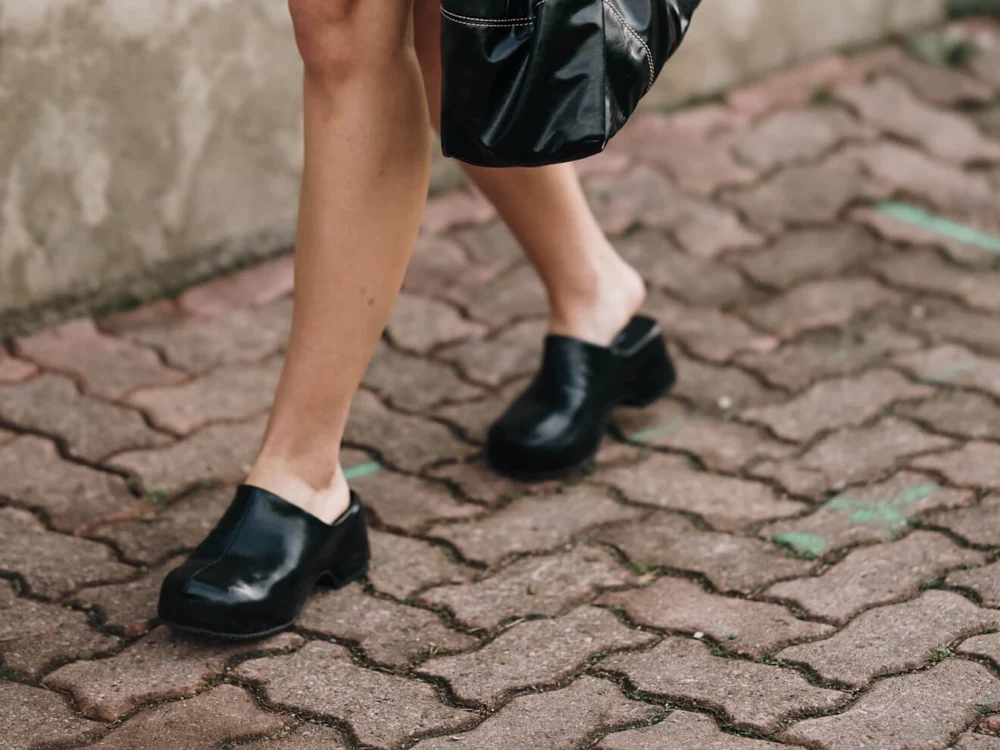
The international fashion landscape for the Spring-Summer 2026 season has solidified around a singular, once-divisive silhouette: the clog. According to the latest runway reports and retail collection launches, this traditional footwear, characterized by its closed-toe and open-heel design, has undergone a comprehensive aesthetic reinvention. No longer confined to the realms of functional workwear or niche bohemian circles, the clog is now positioned as a primary staple in both luxury and high-street markets. This resurgence is driven by a consumer base that increasingly prioritizes ergonomic comfort without sacrificing the "trend-forward" appeal required for modern urban environments.

Industry analysts from Launchmetrics Spotlight and major fashion publications have noted that the 2026 collections represent a pivotal moment for the clog, as designers move beyond the basic wooden sole to incorporate advanced materials, architectural platforms, and artisanal detailing. The trend is not merely a nostalgic revival of 1970s aesthetics but a strategic response to the evolving "athleisure" and "quiet luxury" movements that have dominated the early 2020s.
The Historical Trajectory of the Clog: From Function to Fashion
To understand the 2026 resurgence, it is essential to examine the historical context of the clog. Originating in Northern Europe, particularly in the Netherlands, Scandinavia, and England, clogs were historically crafted from solid wood. They served as protective gear for laborers, farmers, and factory workers due to their durability and moisture-resistant properties. By the mid-20th century, the silhouette began to permeate the fashion world, peaking in the late 1960s and 70s as a symbol of the counter-culture and bohemian lifestyles.

The current 2026 iteration represents the fourth major "wave" of clog popularity. Following the functional era, the bohemian era of the 70s, and the "ugly shoe" movement of the late 2010s, the modern era is defined by hybridization. Designers are now blending the clog silhouette with elements of the moccasin, the sneaker, and the high-fashion mule. This evolution has expanded the shoe’s utility, making it appropriate for diverse settings ranging from corporate offices to casual beachwear.
Market Data and Consumer Trends in 2026
Market research indicates a significant shift in footwear purchasing habits leading into the 2026 season. Global footwear sales are projected to grow by 4.2% annually, with the "comfort and wellness" segment outpacing traditional dress shoes by a margin of two to one. Search queries for "versatile clogs" and "ergonomic mules" have seen a 65% year-over-year increase on major e-commerce platforms.

This data suggests that the modern consumer is looking for a "one-shoe solution"—a pair that can transition from a morning commute to a professional setting and finally to a social evening event. The clog, with its easy slip-on functionality and increasingly sophisticated upper designs, fulfills this requirement. Retailers have responded by diversifying their inventories to include various price points, from entry-level synthetic models to premium leather and suede versions.
A Comparative Analysis of Key 2026 Clog Variations
The Spring-Summer 2026 collections showcase several distinct sub-trends within the clog category, each catering to different stylistic preferences and functional needs.

The Minimalist Suede Standard
Birkenstock remains the undisputed leader in the minimalist category. Their "Boston" model, crafted from premium suede with a soft footbed, continues to serve as the industry benchmark. For the 2026 season, the brand has maintained its focus on a neutral color palette, emphasizing the shoe’s ability to pair with spring essentials like denim and light knitwear. At a retail price point of approximately 160 euros, the Boston model represents the "investment" tier of the trend, favored for its long-term durability and orthopedic benefits.
The Contemporary Platform and Industrial Detail
High-street brands like Stradivarius have moved to capture the younger demographic by integrating height and hardware. The 2026 platform clog features a substantial sole that provides the wearer with additional height without the instability of a traditional heel. Incorporating metal studs (tachuelas) along the welt provides a "grunge" or "industrial" edge that appeals to Gen Z and millennial consumers. Priced at approximately 39.99 euros, these models democratize the trend, making the high-fashion silhouette accessible to a broader audience.

The Formalized Moccasin Hybrid
Dr. Martens has introduced a significant innovation for the season by merging the clog’s open-back structure with the upper of a traditional Adrian tassel loafer. Utilizing cherry red (burgundy) leathers and classic kiltie fringe, this hybrid shoe addresses the need for formal footwear that retains a relaxed silhouette. This "sartorial clog" is increasingly seen in business-casual environments where traditional loafers may feel too restrictive for the warmer months.
High-Impact Prints and Textures
As predicted in the Spring-Summer 2026 print guides, animal patterns—specifically cowhide and leopard prints—have migrated to footwear. H&M’s 2026 offering includes a statement clog with a bovine print, designed to serve as the focal point of a minimalist outfit. Similarly, Gioseppo has leaned into the "natural" trend by utilizing braided (trenzado) leathers and pointed toes, offering a more feminine, sophisticated take on the traditionally bulky clog shape.

The Technical and Sport-Influenced Sabot
Onitsuka Tiger has redefined the clog through the lens of urban sportswear. By utilizing mesh materials and athletic outsoles, their "Mexico 66 Sabot" provides the ventilation required for peak summer heat while maintaining the brand’s iconic racing stripes. This version appeals to the "gorpcore" aesthetic, where outdoor functionality meets city style.
The Role of Personalization and Color Theory
A notable development in the 2026 season is the emphasis on footwear customization. Crocs, a brand that has successfully navigated the transition from utility to fashion icon, has introduced the "Classic Floral Cut-Out" in "Baby Pink"—a color identified by trend forecasters as a primary shade for the season. These models feature perforations designed specifically for "charms" or "Jibbitz," allowing consumers to express individual identity.

This move toward personalization reflects a broader trend in the luxury market where "mass exclusivity" is highly valued. By allowing the consumer to modify the product, brands increase emotional engagement and brand loyalty.
Environmental and Manufacturing Implications
The 2026 clog trend is also a reflection of advances in sustainable manufacturing. Many brands are moving away from traditional wood—which can be heavy and difficult to source sustainably at scale—toward recycled cork, bio-based EVA (ethylene-vinyl acetate), and LWG-certified (Leather Working Group) suedes.

The manufacturing process for clogs generally requires fewer components than a traditional athletic sneaker, which often involves complex multi-material bonding. This simplicity allows for a more transparent supply chain and a reduced carbon footprint, a factor that is increasingly influencing the purchasing decisions of eco-conscious consumers in 2026.
Chronology of the Trend’s Peak
The timeline for the 2026 clog trend can be traced through the following milestones:

- September 2025: Initial prototypes appear on the runways of Paris and Milan, showcasing high-fashion interpretations of the wooden sole.
- January 2026: Pre-season "drop" collections from brands like Birkenstock and Dr. Martens sell out in major urban hubs.
- March 2026: High-street retailers (Zara, H&M, Stradivarius) launch full-scale Spring collections, making the silhouette ubiquitous.
- May 2026 (Projected): The transition to "summer clogs" involving mesh, rubber, and perforated materials as temperatures rise.
Conclusion: The Clog as a Cultural Indicator
The dominance of the clog in the Spring-Summer 2026 season is more than a fleeting fashion whim; it is an indicator of a cultural shift toward "pragmatic elegance." As the boundaries between professional and personal life continue to blur, the footwear that succeeds is that which offers the least resistance to the wearer’s lifestyle.
By combining the historical weight of a centuries-old design with modern materials and bold aesthetic choices—from animal prints to athletic mesh—the fashion industry has ensured that the clog is the definitive shoe of the year. Whether through the lens of luxury craftsmanship or affordable fast fashion, the clog has proven that in 2026, the most fashionable step is a comfortable one. The implications for the retail sector are clear: versatility is the new luxury, and the clog is its primary vehicle.




 Eva Lovia
 Julia Chirkova
 Julia Prastini
 Nila Kartika Wati
 Lina Irawan
 Jia Lissa