
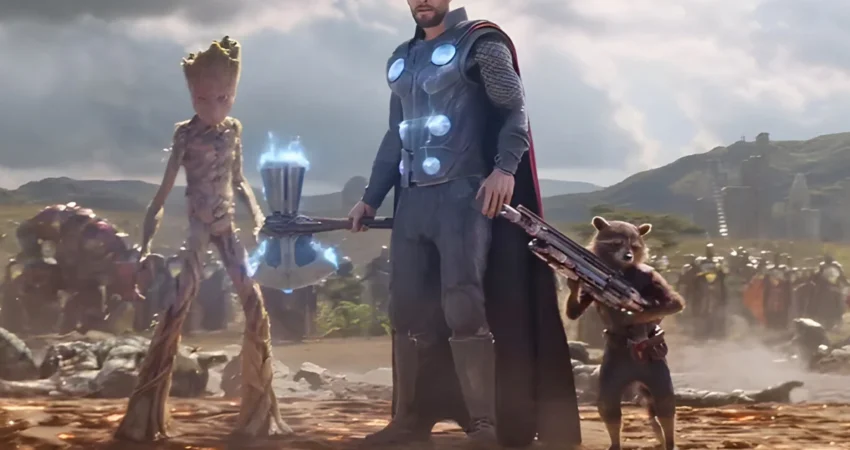
The release of Avengers: Infinity War in April 2018 marked a definitive turning point in the history of blockbuster cinema, representing the culmination of a narrative experiment that had been meticulously constructed over the course of a decade. Directed by Anthony and Joe Russo and written by Christopher Markus and Stephen McFeely, the film served as the beginning of the end for the "Infinity Saga," a 22-movie arc that redefined the capabilities of a shared cinematic universe. As the Marvel Cinematic Universe (MCU) now prepares for its next major milestone with the upcoming release of Avengers: Doomsday, Infinity War has regained significant cultural and strategic relevance. Industry analysts and the directors themselves have identified the film as a critical pillar for understanding the future of the franchise, placing it within a curated list of 15 essential productions to revisit before the next ensemble epic debuts in approximately 14 weeks.
The Narrative Pivot: Thanos as the Protagonist
Unlike previous entries in the Avengers series, Infinity War deviated from the standard superhero formula by positioning its antagonist, Thanos, as the central protagonist of the narrative. Portrayed by Josh Brolin through advanced motion-capture technology, Thanos was presented not merely as a seeker of power, but as a philosophical zealot driven by a Malthusian concern regarding the scarcity of resources in a growing universe. His mission to acquire the six Infinity Stones—artifacts of immense power representing Space, Mind, Reality, Power, Time, and Soul—provided the film with a relentless forward momentum.
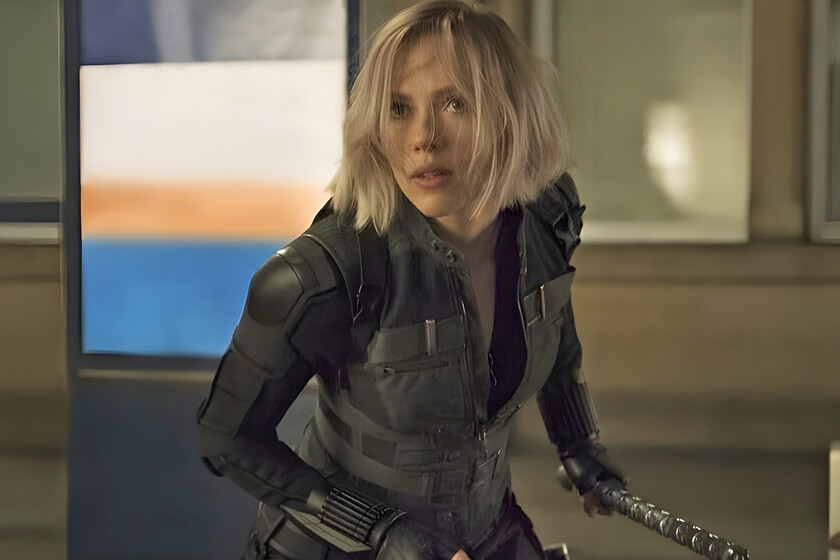
The story’s structure was uniquely decentralized, splitting the massive cast of heroes into smaller tactical groups across diverse locations, including New York City, the fictional African nation of Wakanda, and various deep-space environments such as Titan and Nidavellir. This approach allowed for unprecedented character interactions, such as the meeting between the Guardians of the Galaxy and the Avengers, which had been teased since the franchise’s inception. The film’s ability to balance dozens of high-profile actors while maintaining a coherent emotional core was cited by critics as one of its most significant creative achievements.
Chronology of the Infinity Saga Buildup
The road to Infinity War was paved across three distinct phases of the MCU. To understand the gravity of the 2018 release, one must look at the chronological introduction of the Infinity Stones, which served as the primary plot devices:
- The Space Stone (Tesseract): First introduced in Captain America: The First Avenger (2011), it represented the catalyst for the modern superhero age.
- The Mind Stone (Scepter): Debuted in The Avengers (2012) and later became the life force for the synthezoid Vision in Avengers: Age of Ultron (2015).
- The Reality Stone (Aether): The focal point of Thor: The Dark World (2013), showcasing the ability to alter the laws of physics.
- The Power Stone (Orb): Introduced in Guardians of the Galaxy (2014), illustrating the destructive potential of the artifacts.
- The Time Stone (Eye of Agamotto): Brought into the fold via Doctor Strange (2016), introducing the concept of temporal manipulation.
- The Soul Stone: Remained a mystery until the events of Infinity War, where its acquisition required a profound personal sacrifice on the planet Vormir.
This decade-long breadcrumb trail ensured that by the time Infinity War reached theaters, the stakes were already ingrained in the global audience’s consciousness.
Commercial Performance and Industry Impact
Upon its release, Avengers: Infinity War shattered numerous box office records, reflecting the immense anticipation surrounding the project. It became the first superhero film to gross over $2 billion worldwide, joining an elite group of cinematic productions that includes Avatar, Titanic, and Star Wars: The Force Awakens. On its opening weekend, it earned $257.7 million in the United States and Canada alone, setting a new benchmark for the industry.
Beyond its financial success, the film was a technical pioneer. It was the first Hollywood feature to be shot entirely with IMAX digital cameras, a decision that allowed the Russo Brothers to capture the massive scale of the battles and the towering presence of Thanos with unprecedented clarity. The film’s visual effects, particularly the rendering of Thanos’s facial expressions, set a new standard for CGI-integrated performances, earning an Academy Award nomination for Best Visual Effects.

The "Decimation"—the film’s ending in which half of all life in the universe is turned to dust—became a global cultural phenomenon. The decision to end a multi-billion-dollar blockbuster on a note of total defeat for the heroes was a bold narrative choice that left audiences in a state of shock, effectively generating unparalleled hype for the subsequent conclusion, Avengers: Endgame (2019).
Official Rewatch Strategy: The Road to Avengers: Doomsday
As Marvel Studios looks toward the future, the Russo Brothers have returned to the helm for the upcoming Avengers: Doomsday. To prepare the audience for the complexities of the Multiverse Saga, the directors have recommended a specific sequence of 15 films. This list is intended to provide the necessary context for the return of Robert Downey Jr., who is set to portray the villainous Victor von Doom (Doctor Doom), a pivot from his legendary role as Tony Stark/Iron Man.
Infinity War holds the fifth position on this essential rewatch list. The preceding four films—X-Men, X-Men 2, Captain America: The First Avenger, and The Avengers—establish the foundational themes of heroism, sacrifice, and the dangers of unchecked power. Infinity War serves as the bridge into the modern era of the MCU, where the consequences of the "Snap" continue to resonate throughout the multiverse. The film is currently available for streaming on Disney+, alongside the majority of the MCU catalog, allowing fans to analyze the foreshadowing and thematic links that may reappear in Doomsday.
Analysis of Implications for the Future of the MCU
The transition from the Infinity Saga to the Multiverse Saga has presented Marvel Studios with unique challenges. While the Infinity Saga was characterized by a linear progression toward a singular threat (Thanos), the Multiverse Saga deals with diverging realities and variants of established characters. Re-examining Infinity War provides a baseline for the "event-level" storytelling that Avengers: Doomsday aims to replicate.
The inclusion of Infinity War in the "Doomsday Prep" list suggests several narrative possibilities:
- The Weight of Failure: Much like the Avengers had to deal with their loss in Infinity War, the heroes in Doomsday may face a threat that cannot be solved through traditional combat.
- Cosmic Scale: The film’s focus on the cosmic balance and the survival of the universe likely mirrors the stakes of the upcoming conflict with Doctor Doom.
- The Return of the Russos: Having successfully managed the massive ensemble of Infinity War, the Russo Brothers are expected to bring a similar sense of urgency and high-stakes drama to Doomsday.
Critical and Audience Reception
The legacy of Infinity War is further cemented by its enduring popularity. On the review aggregator Rotten Tomatoes, the film maintains an 85% approval rating from critics and a 92% score from audiences. Critics praised the film for its ambition and the emotional weight of its ending, while audiences responded to the seamless integration of humor, action, and tragedy.
The film’s impact on social media was equally significant. The campaign "#ThanosDemandsYourSilence," launched by the directors prior to the premiere, successfully encouraged fans to avoid sharing spoilers, a testament to the community’s investment in the story. This level of engagement is something Marvel Studios seeks to recapture as the 14-week countdown to the next chapter begins.
In the broader context of cinema history, Avengers: Infinity War stands as a testament to the power of long-form serialized storytelling on the big screen. It proved that audiences were willing to follow complex narratives across dozens of films, provided the character development and emotional payoffs remained consistent. As the countdown to Avengers: Doomsday continues, Infinity War remains the gold standard for the modern superhero epic, offering a masterclass in tension, stakes, and the enduring appeal of the Marvel Cinematic Universe.

0 Comments