
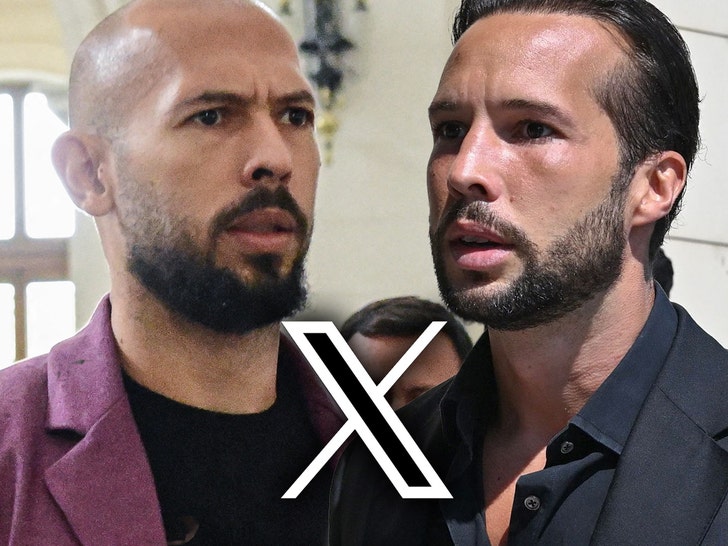
Los Angeles, CA – March 6, 2026 – Controversial internet personalities Andrew and Tristan Tate have escalated their legal battle against anonymous online critics, filing a new action aimed at compelling Elon Musk’s social media platform, X (formerly Twitter), to reveal the identities of users they accuse of defamation and harassment. The brothers are seeking to unmask several "John and Jane Doe" accounts, alleging that these individuals have engaged in a coordinated campaign to damage their reputations, finances, and emotional well-being through a barrage of what they describe as false and malicious posts. This latest legal maneuver follows the dismissal of a prior defamation lawsuit against these same anonymous users, indicating a persistent effort by the Tates to hold their online detractors accountable.
The core of the Tate brothers’ current legal filing centers on claims that specific X users have conspired to defame them by consistently publishing allegedly false and damaging content. These posts, according to the lawsuit, include accusations of "heinous crimes, including rape and human trafficking, as well as having sexually transmitted diseases." Such serious allegations, if proven false and maliciously spread, form the basis of their defamation claim. The Tates argue that the ongoing nature of these posts constitutes a sustained campaign designed to inflict maximum harm across multiple facets of their lives.
The Legal Maneuver: From Dismissal to Discovery
The path to this current legal action is somewhat circuitous. Andrew and Tristan Tate initially filed a direct defamation lawsuit against a group of anonymous X users. However, that lawsuit was reportedly dismissed, likely due to the inherent difficulties in litigating against unidentified defendants. When the identity of a defendant is unknown, courts often require plaintiffs to demonstrate that they have exhausted all reasonable avenues to discover the defendant’s identity before proceeding with the substantive claims of the lawsuit.
Undeterred by the initial dismissal, the Tate brothers have now shifted their strategy. Instead of directly suing the anonymous users for defamation in the first instance, they are now petitioning the court for an order that would compel X to disclose the personal information associated with the accounts in question. This type of legal action, often referred to as a "discovery action" or a "Norwich Pharmacal" order in some jurisdictions, is a common preliminary step for plaintiffs seeking to identify anonymous online harassers or defames before they can properly serve and pursue their main lawsuit. The success of such a petition typically hinges on the plaintiffs demonstrating a legitimate, good-faith basis for believing that they have been defamed and that the information sought is necessary to pursue their claims.

Allegations of Conspiracy and Sustained Harm
The complaint outlines a narrative of deliberate and prolonged harm. Andrew and Tristan Tate assert that the anonymous X users are not merely isolated critics but are part of a concerted "conspiracy" aimed at their systematic destruction. They claim this campaign is designed "to ruin them financially, reputationally and emotionally through constant and routine allegedly defamatory posts on X." This emphasis on a coordinated effort suggests the Tates believe there is an organized group behind the online attacks, rather than disparate individuals acting independently.
The specific nature of the alleged defamation is severe, touching upon criminal accusations that mirror some of the real-world legal challenges the Tates have faced. By claiming the anonymous accounts "continue to intentionally and recklessly accuse them of ‘heinous crimes, including rape and human trafficking, as well as having sexually transmitted diseases’," the Tates highlight the potentially devastating impact these allegations could have on their public image and ongoing legal battles. These accusations are particularly sensitive given Andrew Tate’s previous arrest and charges in Romania on suspicion of human trafficking, rape, and forming an organized crime group, which he has vehemently denied. While the legal proceedings in Romania are separate, the online allegations often intertwine with and exacerbate public perceptions fueled by such high-profile cases.
The Broader Context: Online Anonymity vs. Accountability
This case reopens the perennial debate surrounding online anonymity and the right to free speech versus the right to be free from defamation. Social media platforms like X have long wrestled with balancing user privacy with demands for accountability. The ability to post anonymously is often seen as crucial for whistleblowers, dissidents in oppressive regimes, and individuals expressing unpopular opinions without fear of reprition. However, this same anonymity can be exploited for malicious purposes, enabling harassment, defamation, and the spread of misinformation without immediate consequences.
Legal frameworks vary globally, but in many jurisdictions, courts have established precedents for unmasking anonymous online speakers. Generally, a plaintiff seeking to pierce the veil of anonymity must demonstrate:
- A Prima Facie Case: They must show they have a legitimate legal claim (e.g., defamation) that would likely succeed if the identity of the defendant were known.
- Specific Allegations: The alleged defamatory statements must be clearly identified and meet the legal definition of defamation (false statement of fact, published to a third party, causing harm, and made with the requisite level of fault).
- Necessity: The information sought (the user’s identity) must be essential to pursuing the lawsuit, and there must be no other reasonable means to obtain it.
- Balancing Test: The court often weighs the plaintiff’s right to redress against the anonymous speaker’s First Amendment rights (or equivalent free speech protections). This includes considering the severity of the harm alleged versus the potential chilling effect on legitimate anonymous speech.
The Tate brothers’ legal team will need to present compelling evidence that the online posts meet these criteria for defamation and that the harm caused warrants overriding the anonymous users’ privacy.
The Role of X and Elon Musk
X, under Elon Musk’s ownership, has seen significant shifts in its content moderation policies and approach to user privacy. While Musk has often championed free speech, he has also expressed a desire to combat bots and spam, and has personally engaged in legal actions against entities he perceives as defaming him or the platform. This internal tension between absolute free speech and maintaining a platform free from malicious content could influence X’s stance in this particular case.
Typically, social media platforms are afforded significant legal protections under Section 230 of the Communications Decency Act in the United States, which generally shields them from liability for content posted by their users. However, Section 230 does not protect platforms from legal obligations to comply with court orders for user data in response to legitimate subpoenas or discovery requests. X’s legal team will likely evaluate the validity of the Tate brothers’ petition against their own terms of service, user privacy policies, and applicable legal precedents. They may choose to fight the disclosure order, arguing for user privacy, or they may comply if a court mandates it, especially if the Tate’s legal arguments are deemed sufficiently robust. As of the time of publication, X has not issued a public statement regarding the Tate brothers’ latest legal action, with reports indicating no immediate response from the company after being reached for comment.
Andrew and Tristan Tate: A History of Controversy
To fully understand the context of these online attacks, it is crucial to consider the public personas and history of Andrew and Tristan Tate. Andrew Tate, a former professional kickboxer, rose to prominence through his controversial online content, which often espoused misogynistic views, promoted hyper-masculinity, and offered advice on wealth acquisition. His brother, Tristan, has frequently appeared alongside him, echoing similar sentiments. Their content has garnered a massive following, particularly among young men, but has also attracted widespread criticism and condemnation from women’s rights advocates, anti-hate organizations, and mainstream media outlets.
Their online presence has been characterized by provocative statements, leading to bans from multiple social media platforms, including TikTok, Facebook, Instagram, and YouTube, prior to their re-emergence on X after Musk’s acquisition. These bans were typically enacted due to violations of community guidelines concerning hate speech and misogyny.
Beyond their online controversies, the Tate brothers have faced significant legal challenges. In December 2022, Andrew and Tristan Tate were arrested in Romania on suspicion of human trafficking, rape, and forming an organized crime group. They were held in pre-trial detention for several months before being moved to house arrest, and later released from house arrest with judicial restrictions. They have consistently denied all charges. These ongoing legal battles in Romania undoubtedly contribute to the intensity of online discourse surrounding them, creating a fertile ground for both legitimate criticism and potentially defamatory attacks. The accusations detailed in their current lawsuit — rape and human trafficking — directly echo the charges they face in Romania, amplifying the potential reputational damage.

Potential Implications and Future Precedents
This case carries significant implications for several stakeholders:
- For the Tate Brothers: A successful unmasking could lead to direct legal action against their anonymous critics, potentially resulting in financial damages and a sense of vindication. However, it could also intensify public scrutiny and opposition.
- For Anonymous Online Speech: Should the court compel X to reveal identities, it could set a precedent that makes it harder for individuals to maintain anonymity when making serious allegations online. This could have a chilling effect on legitimate anonymous speech, particularly for those speaking out against powerful figures.
- For Social Media Platforms: The outcome will further define the responsibilities of platforms like X in mediating disputes between users and balancing free speech with protection against defamation. It could influence future policies on user data disclosure and content moderation, particularly concerning serious allegations.
- For Online Defamation Law: The case will test the boundaries of what constitutes actionable defamation in the context of highly polarized online environments and the extent to which platforms can be compelled to facilitate identification. The "conspiracy" aspect of the Tates’ claim also adds a layer of complexity, potentially requiring a higher evidentiary standard.
Legal experts suggest that such cases are often complex and protracted. Proving a conspiracy among anonymous online users is notoriously difficult. The Tate brothers will need to provide concrete evidence linking the accounts and demonstrating a shared malicious intent beyond simply posting similar critical content. Furthermore, even if identities are revealed, successfully prosecuting a defamation case can be challenging, particularly if the anonymous users can demonstrate their statements were opinions, true, or made without malice.
The outcome of this legal pursuit by Andrew and Tristan Tate against X and their anonymous critics will be closely watched. It represents another critical juncture in the ongoing effort to define the boundaries of free speech, anonymity, and accountability in the digital age, particularly for public figures who thrive in, yet also suffer from, the often-unfiltered nature of online discourse. The legal battle underscores the evolving challenges faced by individuals and platforms alike in navigating the complexities of online interaction in the 21st century.

0 Comments